
Bulgaria Receives 25 RegioPanter EMUs in €326.7M Deal
Bulgaria received 25 RegioPanter EMUs for over €500 million, including maintenance, supporting 2025 rail market liberalization.
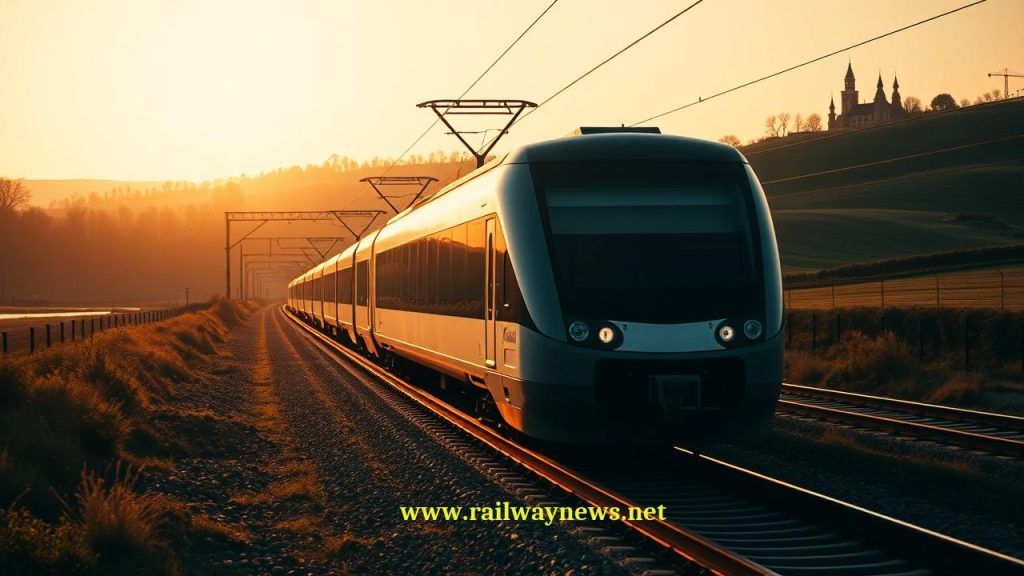
⚡ In Brief: Bulgaria has received the first two of 25 RegioPanter electric multiple units from a €326.7 million contract, coinciding with the 2025 liberalization of its passenger rail market and the introduction of a new private operator, Ivkoni Express.
SOFIA, BULGARIA – The first two of 25 new four-car RegioPanter electric multiple units (EMUs) were officially unveiled in Sofia on March 20. The delivery marks a key milestone in a €326.7 million procurement contract, fully financed by European funds. These trains, which are part of a total project valued at over €500 million including maintenance, are scheduled to enter passenger service by the summer season of 2026.
What Does This Contract Cover?
The agreement covers the supply of 25 four-car RegioPanter EMUs from manufacturer Škoda Transportation, plus a 15-year full-service maintenance package. The procurement is split into an initial order for 20 trains funded by Bulgaria’s National Recovery and Resilience Plan (€261.4 million), and a subsequent option for five units (€65.3 million) funded by the “Transport and Connectivity” Operational Program. The contract stipulates a complete delivery of all 25 units by the end of August 2026, with the initial units produced within 14 months of the contract signing in September 2024.
Key Contract Data
| Parameter | Value |
|---|---|
| Contract Name | Purchase of 25 RegioPanter EMUs & 15-Year Maintenance |
| Total Value | > EUR 500 million (including maintenance) |
| Parties Involved | Bulgarian Ministry of Transport, BDZ Passenger Services, Ivkoni Express, Škoda Transportation (Manufacturer) |
| Timeline / Completion | Full delivery by August 2026; 15-year maintenance period |
| Country / Corridor | Bulgaria / National network (Western, Northern, Southern regions) |
How Does This Compare to Similar Contracts?
The per-unit cost for the Bulgarian order, excluding maintenance, is approximately €13.07 million, which is within the typical range for modern, customized EMUs in Europe. For context, Romanian rail authority ARF signed a contract in late 2023 with Alstom for 37 Coradia Stream EMUs at a total value of €720 million, a figure that included a more extensive 30-year maintenance period. (Source: Railway Pro, 2023). While the Bulgarian deal’s maintenance term is shorter, its 14-month delivery timeline for the first units is significantly aggressive for a customized order that includes integration of specific national signalling systems and design features. The specific division of the new fleet between a state incumbent (BDZ) and a new private entrant (Ivkoni Express) under public service contracts is a model being closely watched in other liberalizing Eastern European markets.
Editor’s Analysis
The arrival of the RegioPanter fleet is an essential enabler for the structural liberalization of Bulgaria’s passenger rail market, which began in 2025. This delivery provides the modern, reliable, and compliant assets necessary for both state operator BDZ and new private competitor Ivkoni Express to fulfill their newly awarded 12-year public service contracts. The investment in ETCS Level 2-equipped trains directly supports national goals to upgrade infrastructure and improve safety, reflecting a wider regional trend of leveraging EU funding to align with interoperability standards. (Source: Bulgaria Railway Signalling Market Report). The success of this dual-operator model will heavily depend on the performance and availability of this new, standardized fleet.
FAQ
Q: Who is the manufacturer of the RegioPanter trains?
A: The RegioPanter platform is manufactured by the Czech company Škoda Transportation. While not explicitly named in the primary announcement, Škoda is the original equipment manufacturer for this widely used train family.
Q: How will the 25 new trains be distributed among operators?
A: State operator BDZ Passenger Services will operate 19 of the new trains in western Bulgaria. The remaining six units will be operated by the new private company, Ivkoni Express, on routes in the country’s northern and southern regions.
Q: What specific routes will the new trains serve?
A: The specific routes have not been officially disclosed, but the source states they will operate on some of the country’s busiest lines within the three designated regions. Details are expected closer to the start of commercial service in summer 2026.

Railway infrastructure, rolling stock and transport technologies specialist focused on global rail industry developments, high-speed rail systems, signaling technologies and freight transportation. Covering railway investments, public transport modernization, rail operations and international mobility projects across Europe, Asia and North America.
RELATED POSTS

October 8, 2026 1:15 pm
Alstom secured a €1bn contract to build 13 automated trains,...

October 1, 2026 7:09 am
United States regulators confirmed a September 30 deadline for the...

October 8, 2026 12:18 pm
Siemens Mobility signed an agreement with VinSpeed to supply 350...

October 4, 2026 5:14 pm
Alstom secured a CA$4.7 billion order from VIA Rail Canada...

October 5, 2026 6:12 pm
AECOM and Jacobs secured a contract in September 2026 to...

October 4, 2026 11:08 pm
Sound Transit confirmed the September 30 opening of Seattle Pinehurst...