
Modern Rail Systems: Advancements, Infrastructure & Future Trends
Here’s a voiceover-friendly excerpt:
**Modern rail transport is evolving, fueled by advancements in technology and infrastructure. Discover how railway professionals are shaping the future of sustainable, efficient travel.**
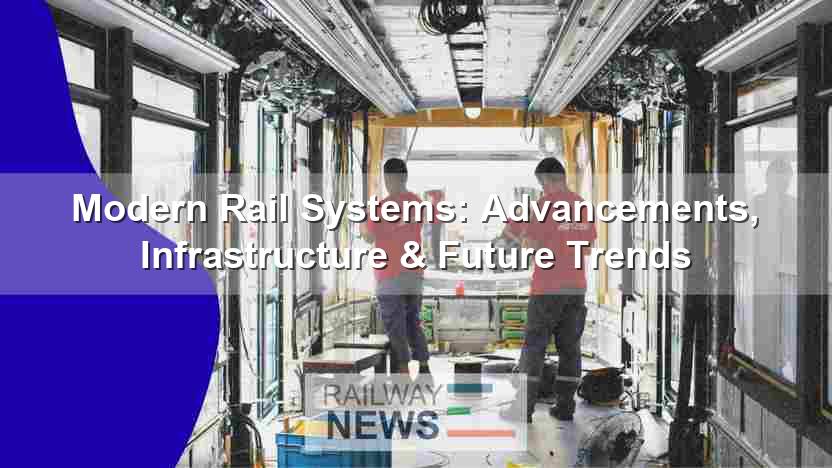
Understanding the Dynamics of Modern Rail Transport
The evolution of rail transport has been a fascinating journey, transforming from a primarily industrial tool to a sophisticated, passenger-focused mode of travel. This article explores the multifaceted aspects of contemporary rail systems, exploring the key drivers shaping their development and highlighting the critical role they play in modern society. We’ll examine the technological advancements, focusing on efficiency, sustainability, and passenger experience. Additionally, we will dissect the intricacies of infrastructure development, the challenges of operational management, and the impact of government policies on the industry. The future of rail is bright, and understanding its trajectory is essential for anyone interested in transportation, infrastructure, or sustainable development. By analyzing these interconnected elements, we can gain a detailed perspective on the current state and future potential of the railway sector.
Advancements in Rolling Stock Technology
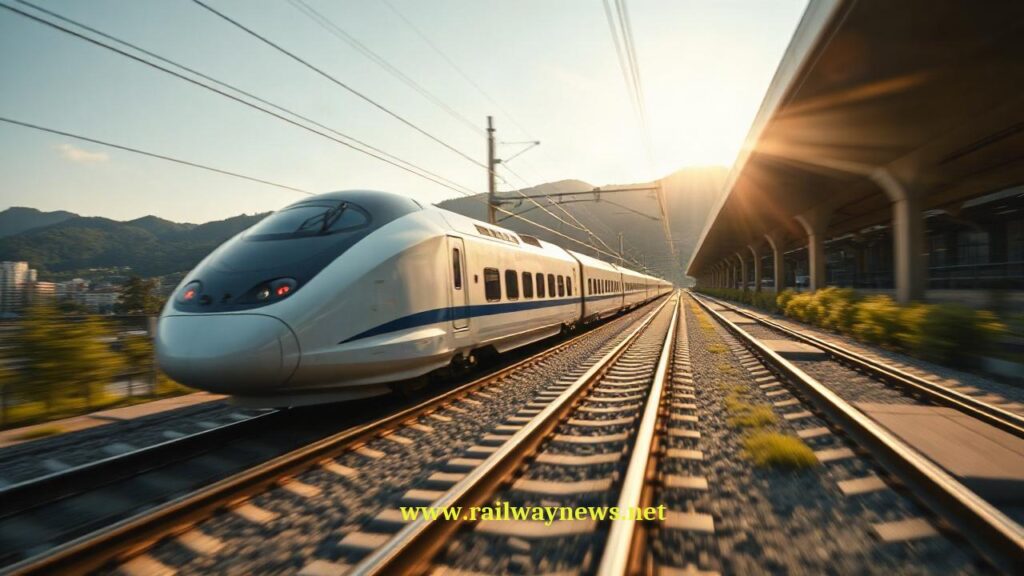
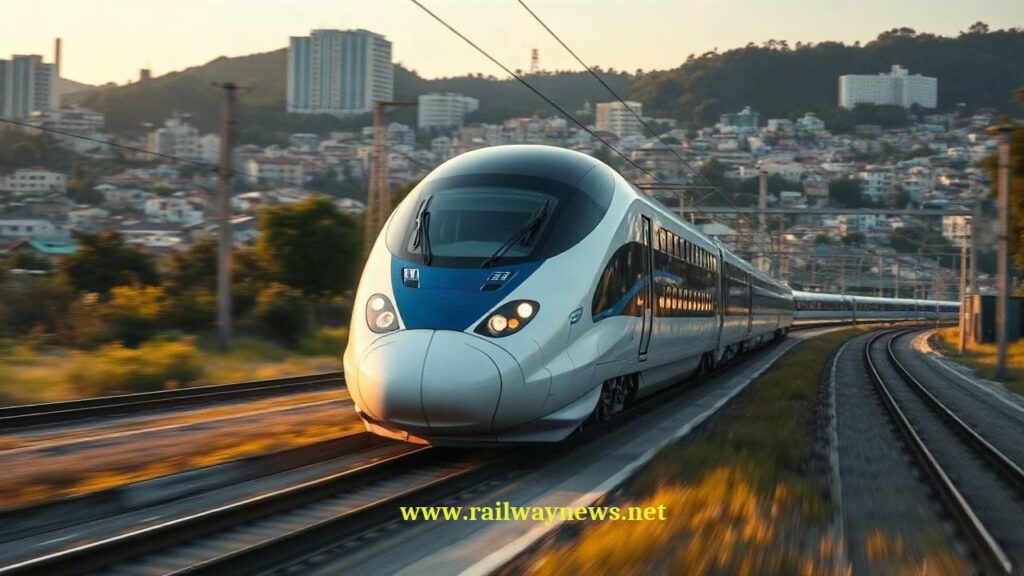
The backbone of any efficient rail system is its rolling stock. Over the past few decades, significant strides have been made in designing and manufacturing trains that are faster, more comfortable, and more energy-efficient. High-speed trains, such as the *Intercity Express Train*, have redefined long-distance travel, dramatically reducing travel times and increasing capacity. These trains incorporate advanced aerodynamics, lightweight materials, and sophisticated propulsion systems. Additionally, innovations in train control systems, such as Automatic Train Protection (ATP) and Automatic Train Operation (ATO), have enhanced safety and optimized operational efficiency. Passenger comfort has also been a key focus, with improved seating, onboard amenities, and enhanced accessibility for passengers with disabilities. These advancements contribute not only to a better travel experience but also to the overall economic and environmental benefits of rail transport.
You might be interested in:
Last April 2022, we published an article about KeolisAmey’s £5 billion Wales & Borders rail transformation. Click here to read – KeolisAmey’s Wales Rail Revolution: £5bn Investment
Infrastructure Development and Maintenance
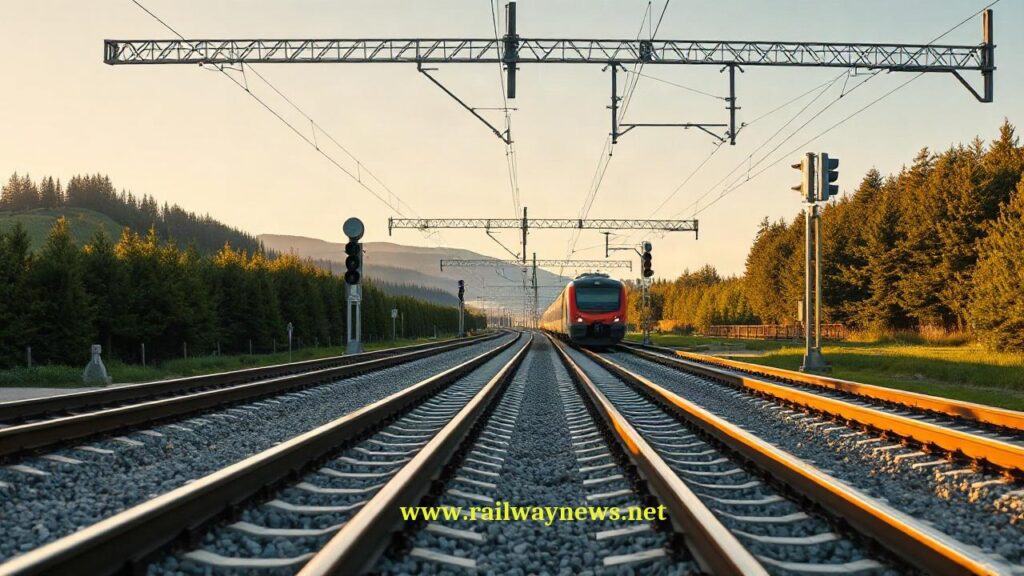
The efficiency and reliability of a railway system are inextricably linked to the quality of its infrastructure. Modern railway infrastructure encompasses a broad range of elements, including track, signaling systems, electrification, and stations. The construction and maintenance of this infrastructure represent significant investments, and require careful planning and execution. Advances in track technology, such as the use of continuously welded rails and improved ballast materials, have increased track durability and reduced maintenance needs. Signaling systems have evolved from manual operations to sophisticated computerized systems, improving safety and allowing for more frequent train services. Additionally, the electrification of railway lines, using overhead lines or third rails, has facilitated cleaner and more energy-efficient operations. Regular maintenance, including track inspections and repairs, is crucial to ensuring the longevity and optimal performance of railway infrastructure.
Operational Management and Optimization
Efficient operational management is essential for maximizing the performance of a railway system. This encompasses various aspects, including train scheduling, resource allocation, and real-time traffic management. Advanced scheduling software and optimization techniques are used to create timetables that balance passenger demand with operational constraints. Effective resource allocation ensures that trains, crews, and maintenance facilities are utilized efficiently. Real-time traffic management systems, incorporating sensors and communication technologies, allow operators to monitor train movements, detect delays, and proactively implement corrective actions. The integration of these elements is essential for improving punctuality, reducing congestion, and enhancing the overall efficiency of the rail network. Additionally, the implementation of predictive maintenance strategies, using data analytics to anticipate equipment failures, helps minimize disruptions and optimize maintenance schedules.
The Future of Rail Transport
To summarize, the railway sector is experiencing a period of significant transformation, driven by technological advancements, infrastructure investments, and changing passenger expectations. The development of high-speed rail, the integration of advanced signaling systems, and the focus on passenger comfort are all critical components of this evolution. The *Intercity Express Train* epitomizes this progress, offering a fast, comfortable, and efficient mode of transport. However, the challenges remain. Maintaining infrastructure, optimizing operational efficiency, and ensuring financial sustainability are all essential for the long-term viability of the rail industry. Government policies and public-private partnerships will play a crucial role in supporting further investments and fostering innovation. The move towards sustainable transportation, the need to reduce congestion in urban areas, and the increasing demand for efficient long-distance travel all point towards a bright future for the railway industry. By embracing these trends and addressing the challenges, rail transport can continue to evolve and play a pivotal role in shaping a sustainable and mobile future.

Railway infrastructure, rolling stock and transport technologies specialist focused on global rail industry developments, high-speed rail systems, signaling technologies and freight transportation. Covering railway investments, public transport modernization, rail operations and international mobility projects across Europe, Asia and North America.
RELATED POSTS
September 6, 2026 5:19 am
Hitachi delivered Taiwan's first N700ST high-speed train from Japan in...

September 5, 2026 4:19 pm
CPK launched formal tender talks with four consortia to design...

September 6, 2026 4:12 am
Alstom delivered the first of 100 new G Class trams...

September 5, 2026 7:14 pm
HS2 Ltd signed renegotiated civils contracts with EKFB and Align...
September 6, 2026 1:17 am
Hitachi Toshiba Supreme Consortium confirmed the first of 12 N700ST...
September 6, 2026 8:17 am
DB InfraGO reopened the Nuremberg-Regensburg line in Bavaria on 31...