
Global Rail Safety: Future Trends & Hitachi Rail
Invest in railway safety and training for a more efficient and reliable future. Modernizing infrastructure and upskilling your workforce is paramount for success. Discover how!
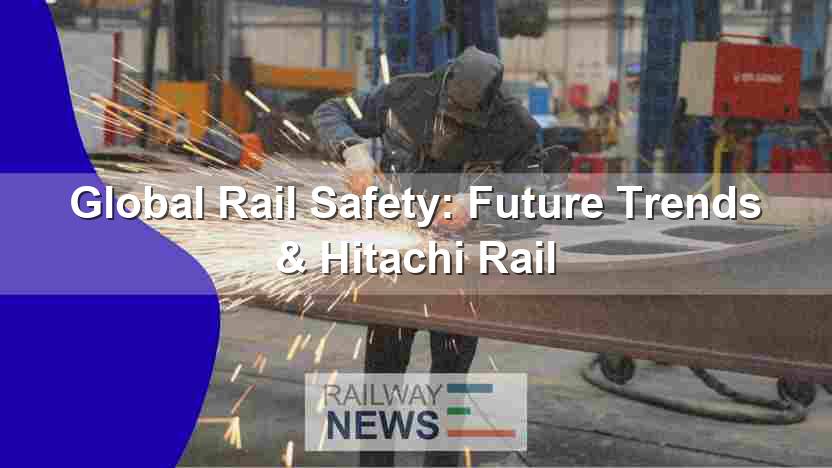
The railway industry is at a critical juncture. Rapid technological advancements, evolving passenger expectations, and increasing global competition are reshaping the landscape of rail transportation. This article analysis into the multifaceted challenges and opportunities facing modern railway systems, focusing on the crucial interplay between safety protocols, robust infrastructure, and skilled personnel. From the intricacies of signal systems to the importance of ongoing employee training, this examination aims to illuminate the pathway towards a future of safer, more efficient, and reliable rail networks. The core argument revolves around the necessity of prioritizing investment in detailed safety measures and high-quality training programs to ensure the long-term sustainability and success of railway operations worldwide. This commitment extends not only to existing systems but also to the crucial development of future generations of railway professionals. It is imperative to address the skill gaps and cultivate a skilled workforce equipped to handle the technical complexities and evolving demands of the industry. The focus will include, but not be limited to, the modern application of technology and the significant role of worker training, particularly with emphasis on emerging apprenticeships.
The Imperative of Safety: Ensuring Reliable Operations
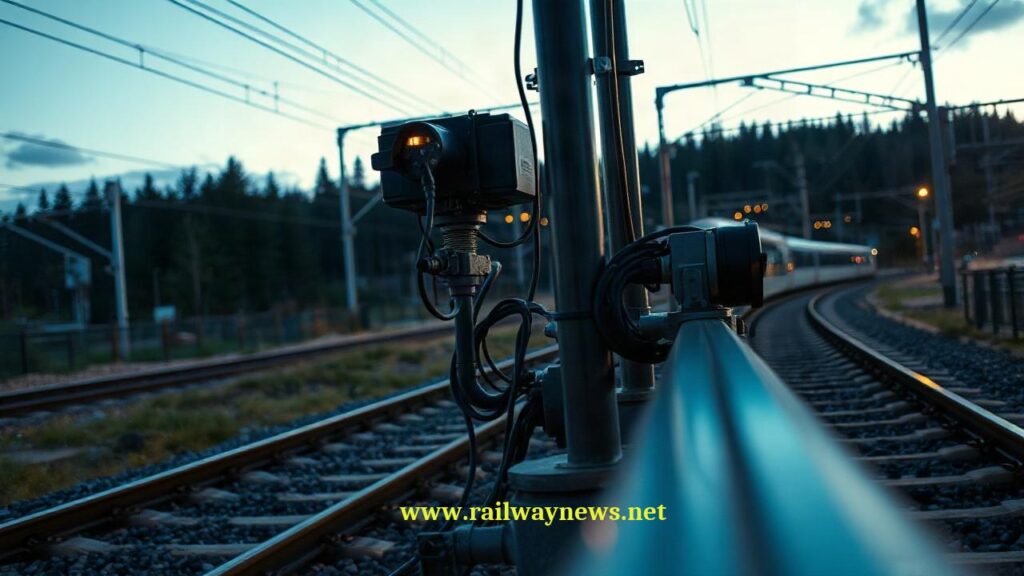
Railway safety is paramount. A reliable and safe railway system is not merely a desirable goal; it is a fundamental necessity. Systemic failures, such as those frequently reported in South African rail operations, highlight the dire consequences of insufficient safety protocols. Addressing this issue requires a multifaceted approach. First, advanced signal systems and train control systems must be implemented and maintained meticulously, ensuring precise communication between trains and control centers. Second, rigorous inspection and maintenance protocols, combined with predictive maintenance techniques, are crucial in mitigating potential failures and preventing catastrophic incidents. Thorough documentation of every aspect of the system from track alignment to power distribution is vital for future troubleshooting and maintenance.
Investing in Infrastructure: Modernization for Efficiency
Modern railway systems need robust and adaptable infrastructure. This encompasses not only the tracks themselves but also the signalling, communication, and power distribution systems. Investment in new technologies such as advanced sensor networks for track monitoring, modernized signalling systems (e.g., CBTC—Continuous Train Control), and the integration of data analytics for predictive maintenance is essential. This modern infrastructure, alongside training, lays the foundation for a more efficient and responsive rail network.
The Vital Role of Skilled Personnel: Training for Tomorrow’s Challenges
The human element is critical in the smooth and safe operation of any railway system. A dedicated workforce, equipped with both theoretical knowledge and practical skills, is essential for effective railway management and maintenance. This demands a detailed training program, encompassing everything from fundamental safety protocols to sophisticated maintenance procedures. Hitachi Rail apprenticeships are one such excellent example of how companies are fostering expertise for the future of rail. Training programs should address the evolving technologies within the sector. The introduction of new technology, while promoting efficiency, often requires a shift in training approaches and a need to continually update skill sets. Additionally, the development of an engaged workforce through employee empowerment and satisfaction is vital for maintaining high safety standards and motivation. Rigorous safety training, coupled with realistic simulations to evaluate response in high-pressure situations, is vital in preparing for the most challenging of scenarios. This investment in human capital goes beyond technical skills; it promotes a culture of safety consciousness that permeates all aspects of railway operations.
Conclusions: A Secure Future for Railway Transportation
The future of railway systems hinges on a harmonious interplay of technological advancements, robust infrastructure, and a highly skilled workforce. Ensuring railway safety requires a commitment to the implementation of advanced signalling technologies and stringent maintenance protocols. Modernizing infrastructure through investment in cutting-edge technologies and predictive maintenance strategies is crucial for achieving operational efficiency and reliability. A commitment to ongoing training and development for railway personnel, fostering a proactive and engaged workforce, is essential to address evolving challenges and maintain a high standard of safety. Ultimately, the integration of these strategies creates a foundation for a secure and efficient future of railway transportation. The need for continuous improvement in safety protocols, infrastructure development, and training programs is paramount. The development and refinement of employee training programs, like those associated with Hitachi Rail apprenticeships, will be crucial in nurturing the expertise needed for the future. A commitment to investing in safety and training will not only improve efficiency and reliability but also enhance public confidence in rail transport, ensuring its continued growth and viability in the years to come. Ultimately, this commitment underscores the critical role of railways in shaping the economic and social fabric of the modern world. By focusing on these key areas, the railway industry can navigate the complex challenges of the future with confidence, ensuring its sustainability and positive impact for years to come. This ensures that railway systems can continue to play their critical role in urban and inter-urban transportation, supporting the global movement of people and goods.
You might be interested in:
Last January 2019, we had an article about South Africa’s rail safety crisis, and the repeated signal failures. Click here to read – Pretoria Train Crash: Systemic Rail Safety Failures in South Africa

Transport and railway industry editor covering global rail infrastructure, sustainable mobility, urban transit systems and next-generation railway technologies with a focus on accessible and industry-focused reporting.
RELATED POSTS

October 4, 2026 5:14 pm
Alstom secured a CA$4.7 billion order from VIA Rail Canada...
October 9, 2026 3:11 pm
Wabtec secured a $700 million service deal in Guinea to...

October 1, 2026 3:12 am
Greenbrier confirmed Brian Comstock as new president and CEO effective...
October 1, 2026 8:12 am
Knorr-Bremse expanded its UK rail adhesion trial on Chiltern Railways...
October 9, 2026 6:15 am
Transflo launched a 40 railcar transload terminal in Petersburg, Virginia,...
October 8, 2026 8:15 pm
Siemens Mobility secured an order from NWL to supply 61...