
Modernizing Railway Infrastructure: Safety & Efficiency Trends
Optimize railway infrastructure for maximum safety and efficiency. Modernize tracks, signaling, and technology for increased capacity and reduced disruptions. Discover how!
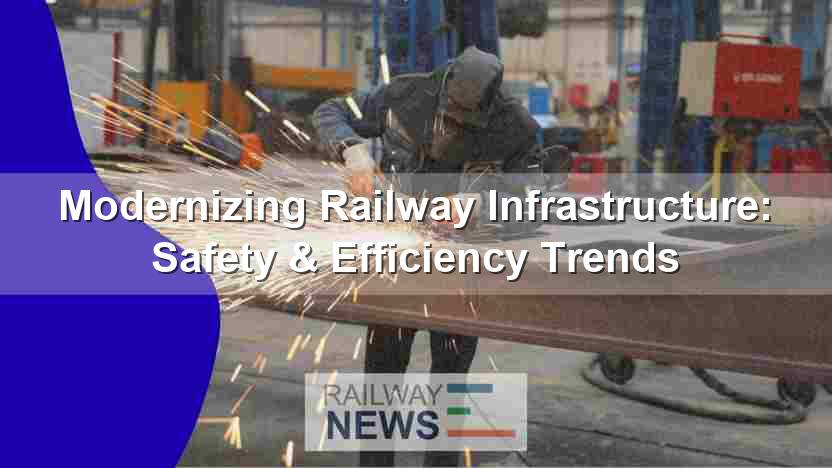
This article explores the crucial aspects of modernizing railway infrastructure, focusing on the critical balance between boosting operational efficiency and enhancing safety measures. We will explore the various facets of this multifaceted undertaking, from infrastructure upgrades to innovative technological integrations. The imperative to adapt to evolving passenger and freight demands, while adhering to stringent safety regulations, underscores the importance of detailed strategies. From the perspective of a railway expert, we will examine how optimal design, implementation, and maintenance practices contribute to a robust and reliable rail network. The discussion will address the significance of strategic investments, highlighting successful case studies and emphasizing the long-term benefits for both operators and the communities they serve.
Modernizing Track Infrastructure for Enhanced Capacity
Modernizing track infrastructure is paramount for increasing capacity and improving efficiency. This involves meticulously evaluating existing track geometry, ensuring alignment, and upgrading to higher-strength rail and fastenings. Implementing advanced track maintenance techniques, like employing laser profiling and sophisticated monitoring systems, can detect potential issues early on, minimizing costly repairs and disruptions. Moreover, introducing modern signaling technologies, such as radio-based systems or automatic train protection (ATP), dramatically enhances operational safety and responsiveness.
The Impact of Signaling Systems on Safety and Efficiency
Advanced signaling systems form the backbone of a safe and efficient railway. These systems encompass a wide array of technologies, from automatic train protection (ATP) and interlocking systems to advanced communication-based train control (CBTC) systems. The introduction of these sophisticated systems considerably reduces the risk of accidents by automating critical safety functions and enabling real-time communication between trains and the control center. Moreover, such systems enhance efficiency by optimizing train scheduling, improving punctuality, and enabling tighter train spacing for higher throughput.
Integrating Technology for Increased Operational Efficiency
The integration of various technologies, such as advanced communications infrastructure, GPS tracking, and predictive maintenance software, plays a vital role in boosting operational efficiency and safety. Implementing data analytics for real-time monitoring allows railway operators to proactively address potential issues and optimize resource allocation. These integrated technological solutions allow for real-time monitoring of train locations, schedules, and performance, enhancing operational control. Predictive maintenance, driven by data analysis, can further reduce downtime and minimize unexpected maintenance events.
Conclusions: A Detailed Approach to Railway Modernization
The discussed strategies for modernizing railway infrastructure, including upgrades to track, signaling, and integrated technology, collectively contribute to a safer and more efficient network. Prioritizing safety is paramount, and the implementation of advanced signaling systems, such as ATP and CBTC, significantly reduces the risk of accidents. Additionally, optimizing track infrastructure by employing advanced maintenance techniques increases capacity and reliability. These innovations, alongside the integration of technology, provide a detailed approach to railway modernization.
Investing in these critical upgrades fosters significant long-term benefits for rail operators and the communities served. Enhanced safety measures, combined with increased capacity, reduce operational costs and increase passenger and freight throughput. Moreover, the introduction of technologies like predictive maintenance software can minimize unplanned downtime. The successful integration of these technological advancements ensures that railway operations remain competitive and sustainable in the long run. The continuous advancement of these systems is a critical part of maintaining a modern, efficient and safe railway network. The successful implementation of these measures creates a robust, reliable, and responsive network, benefiting all stakeholders.
By implementing these multifaceted strategies, railway operators can create a modern, secure, and adaptable rail system prepared for future demands. Ultimately, a well-managed and modernized infrastructure is vital for the continued success and resilience of the entire rail transportation industry, fostering economic growth and social well-being. These factors, combined with the strategic deployment of technology, form the bedrock of a modern rail network.
The deployment of cutting-edge technology like Stadler WINK trains further exemplifies the commitment to innovation in modernizing railway infrastructure.
You might be interested in:
Last March 2019, we published an article about CN’s $120 million Manitoba rail infrastructure upgrade. Click here to read – CN’s $120M Manitoba Rail Upgrade: Capacity, Safety, & Efficiency

Railway infrastructure, rolling stock and transport technologies specialist focused on global rail industry developments, high-speed rail systems, signaling technologies and freight transportation. Covering railway investments, public transport modernization, rail operations and international mobility projects across Europe, Asia and North America.
RELATED POSTS

October 1, 2026 7:09 am
United States regulators confirmed a September 30 deadline for the...

October 1, 2026 12:13 am
Illinois approved $1.5 billion annually for the Northern Illinois Transit...

October 1, 2026 6:10 am
Amtrak approved a System Expansion Committee on July 30 to...

October 4, 2026 5:14 pm
Alstom secured a CA$4.7 billion order from VIA Rail Canada...
October 1, 2026 4:10 am
DART launched two public ridership dashboards in March 2026 to...
October 1, 2026 3:12 am
Greenbrier confirmed Brian Comstock as new president and CEO effective...