
DSB-Alstom Electric Trains: Denmark’s Sustainable Rail Future
DSB orders more Alstom electric trains, expanding its all-electric railway network. 150 Coradia Stream EMUs planned by 2030.
DSB Doubles Down on Electric Fleet with Expanded Alstom Order
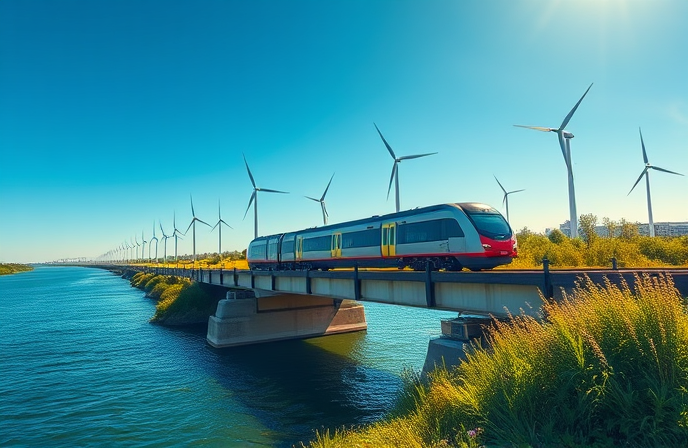
Danish State Railways (DSB) has significantly expanded its commitment to a modern, all-electric railway network, ordering an additional 50 Coradia Stream electric multiple unit (EMU) trains from Alstom. This decision, announced recently, brings the total order to 150 trains and represents a decisive step towards DSB’s electrification goals. The expansion comes in response to growing passenger numbers and rising demand for train travel, ensuring DSB can meet future service requirements. The initial order for 100 trains, valued at DKK 20 billion (EUR 2.7 billion), was placed in 2021, underscoring the long-term strategic investment in sustainable rail transport. The new order solidifies the operator’s transition to a future-proof, environmentally friendly system, scheduled to be completed by 2030. This article explores the details of this substantial procurement, exploring its implications for Denmark’s railway network and the broader European rail landscape.
A Strategic Investment in Modernization
The decision to increase the Coradia Stream order reflects DSB’s strategic vision for its future. Jürgen Müller, Director of Strategy & Rolling Stock at DSB, emphasized the company’s commitment to delivering “quality, consistency and comfort” for its passengers. This commitment is being fulfilled by the acquisition of a homogenous fleet of high-performance electric trains that replace the aging diesel trains currently in service. The phasing out of these diesel trains by 2030 is directly tied to the ongoing electrification of the Danish railway network, a critical initiative for reducing the environmental impact of DSB’s operations. The procurement of the IC5 Coradia Stream trains – the largest train purchase in Denmark’s history – marks a turning point, with a standardized fleet facilitating streamlined operations and lowering operational costs.
Deployment and Infrastructure Readiness
The initial 100 trains are expected to be delivered starting in 2025, with rigorous testing scheduled to begin immediately. These initial trials will take place on the existing rail infrastructure, ensuring the new rolling stock performs optimally under operational conditions. Subsequent to testing and regulatory approval, DSB staff will undergo detailed training on the new trains. The Coradia Stream EMUs will be maintained by Alstom at two new depots currently under construction in Aarhus and Copenhagen. This integrated maintenance agreement is an integral part of the original contract and ensures operational reliability throughout the trains’ service life. These new facilities not only facilitate routine maintenance, but also accommodate the advanced technology inherent in the EMUs and provide employment opportunities in the local area.
Technical Specifications and Passenger Experience
The Coradia Stream platform is renowned for its modular design and adaptability. These EMUs will feature optimized accessibility, including spaces for passengers with reduced mobility, enhancing the overall passenger experience. Additionally, the new trains are designed with improved energy efficiency, contributing to DSB’s sustainability objectives. The introduction of a uniform electric fleet will streamline maintenance procedures and enable a more consistent level of service across the network. The initial rollout of the new trains will gradually increase the capacity and frequency of services, providing more and better options for passengers. The integration of modern control systems and passenger information technology will further enhance operational efficiency and provide real-time information to travellers.
Broader Implications and Future Developments
Beyond the Coradia Stream order, DSB is also investing in expanding its fleet capabilities by purchasing eight additional EuroCity carriage sets from Talgo, including an extension of the original order with 16 control cars. This investment reflects a long-term strategy focusing on expanding both domestic and international transportation offerings. The new trains will be integrated to provide service to a variety of destinations with increased capacity and improved passenger comfort. The commitment to both new EMU and carriage sets suggests a strategic emphasis on growth and an increase in travel. With the new Coradia Stream trains scheduled to replace existing diesel rolling stock, DSB’s entire fleet will soon be fully electric by 2030. The ongoing investments, combined with the expansion of the railway network, position DSB at the forefront of sustainable and efficient passenger rail transport. Additionally, the introduction of new train types and infrastructure investments will positively influence the overall railway efficiency, environmental impacts, and passenger experiences.
Conclusion
DSB’s decision to significantly expand its order for Alstom Coradia Stream trains represents a decisive commitment to a sustainable, modern railway system. The move underscores the growing demand for rail travel and the operator’s ambition to deliver consistent, high-quality service. The phased introduction of the new EMUs, coupled with the planned infrastructure investments and the Talgo carriage set acquisitions, paints a clear picture of a railway network geared towards future growth and environmental responsibility. The project is not only transformative for Denmark but also serves as a model for other European railway operators. The emphasis on a standardized electric fleet, enhanced maintenance, and passenger comfort sets a high standard, demonstrating how investment in modern rolling stock can benefit passengers and the environment. Additionally, the transition to an all-electric fleet reinforces DSB’s commitment to achieving its environmental goals while enhancing its operational efficiency and capacity.
Company Summary
Alstom is a global leader in the rail sector, offering a complete range of systems, equipment, and services for the railway industry. Alstom’s primary focus is on providing innovative and sustainable mobility solutions, from high-speed trains to signaling systems and maintenance services. The company’s Coradia Stream platform demonstrates its expertise in developing versatile, passenger-centric rolling stock. Alstom’s involvement in the DSB project highlights its commitment to supporting the modernization and decarbonization of railway networks across Europe and beyond. Alstom’s continued investment in research and development aims to improve their passenger and freight transport, as well as sustainability.

Railway infrastructure, rolling stock and transport technologies specialist focused on global rail industry developments, high-speed rail systems, signaling technologies and freight transportation. Covering railway investments, public transport modernization, rail operations and international mobility projects across Europe, Asia and North America.
RELATED POSTS

October 1, 2026 7:09 am
United States regulators confirmed a September 30 deadline for the...

October 1, 2026 12:13 am
Illinois approved $1.5 billion annually for the Northern Illinois Transit...

October 1, 2026 6:10 am
Amtrak approved a System Expansion Committee on July 30 to...
October 1, 2026 4:10 am
DART launched two public ridership dashboards in March 2026 to...
October 1, 2026 3:12 am
Greenbrier confirmed Brian Comstock as new president and CEO effective...
October 1, 2026 5:14 am
Siemens confirmed delivery of the first new S200 train to...