
NZ Wairarapa Rail Upgrade: Sustainable Transport Insights
New Zealand’s $96 million Wairarapa rail line upgrade: Modernizing infrastructure, boosting capacity, and driving economic growth. Discover how!
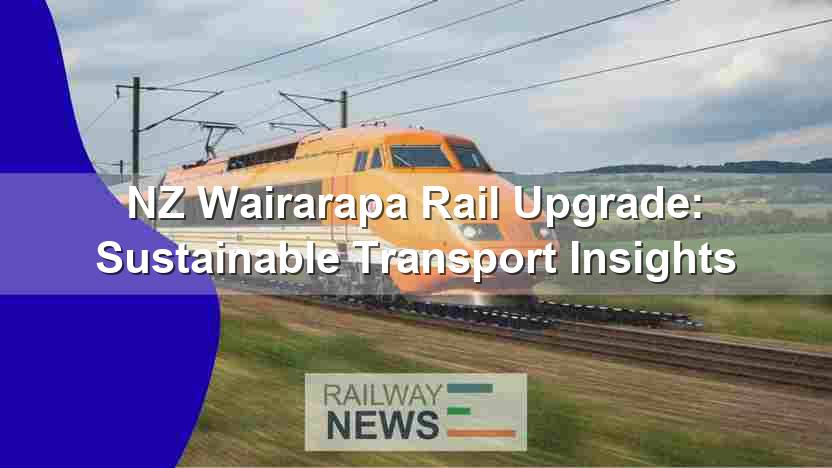
This article examines the NZ$96 million (approximately US$62 million) investment by the New Zealand Transport Agency (NZTA) to upgrade the Wairarapa rail line, a crucial artery in the Wellington region. This substantial allocation underscores the New Zealand government’s commitment to improving its national rail network, prioritizing both passenger safety and the economic benefits associated with enhanced transport and tourism. The project, part of a broader NZ$16.9 billion (approximately US$10.9 billion) national transport investment program, highlights the challenges and opportunities facing rail infrastructure modernization in a developed nation. We will explore the specifics of the Wairarapa line upgrade, the wider context of New Zealand’s rail investment strategy, and the potential long-term impacts of this significant infrastructure project. This case study will provide insights into the complexities of balancing the needs of aging infrastructure with the demands of a growing economy and a commitment to sustainable public transportation.
Addressing Aging Infrastructure: The Need for Renewal
The Wairarapa line, like many aging rail networks globally, faces significant challenges. Years of operation have resulted in track degradation and the nearing end-of-life for key components. This leads to mandatory speed restrictions, increased risk of delays, and ultimately, reduced operational efficiency. The NZTA investment directly addresses these issues. The allocation of NZ$50 million (approximately US$32.3 million) for track infrastructure works represents a proactive strategy to prevent further deterioration and service disruptions. This is a critical step in ensuring the long-term viability and reliability of the line, enhancing passenger confidence and promoting the use of rail transit.
Strategic Investment: Balancing Track and Rolling Stock
The project doesn’t solely focus on track upgrades. An additional NZ$46.2 million (approximately US$29.9 million) is earmarked for improvements south of the Rimutaka Hill tunnel and for crucial double-tracking works between Trentham and Upper Hutt. Double-tracking significantly increases line capacity, allowing for more frequent and potentially longer train services. This integrated approach, combining track and operational improvements, demonstrates a strategic understanding of the interconnectedness of rail infrastructure elements. The investment acknowledges that upgrading rolling stock capacity and operational efficiency is just as crucial as fixing track and signalling problems for improved services.
Economic and Societal Impacts: Beyond Infrastructure
The benefits of this investment extend beyond mere infrastructure improvements. The NZTA’s stated goal is to improve both transportation and tourism in the Wellington region. A reliable and efficient rail service encourages greater passenger ridership, reducing road congestion and associated environmental impacts. For the tourism sector, improved rail connections make the Wairarapa region more accessible, potentially boosting local economies and creating jobs. This holistic view of infrastructure investment, recognizing its wider economic and social benefits, is crucial for securing long-term public support and ensuring that funding is allocated effectively.
KiwiRail’s Role and Future Outlook
KiwiRail (the state-owned rail operator) has welcomed the investment, emphasizing the need for modernization. Their comments highlight the ongoing challenges of maintaining an aging rail network and the positive impact of the funding on increasing operational efficiency. The ability to run more and longer trains directly translates to improved service frequency and capacity, addressing current limitations and paving the way for future growth. The close collaboration between the NZTA and KiwiRail is pivotal for successful project delivery and demonstrates a commitment to efficient allocation and utilization of resources.
Conclusion
The NZ$96 million investment in the Wairarapa rail line upgrade represents a significant commitment to improving New Zealand’s rail infrastructure. This project is more than just track maintenance; it’s a strategic investment in the long-term sustainability and economic viability of the region’s transportation network. By addressing aging infrastructure, enhancing capacity through double-tracking, and improving operational efficiency, the project aims to achieve multiple goals: improved passenger safety and reliability, reduced congestion, enhanced tourism potential, and strengthened regional economic activity. The project’s success depends not only on efficient project management but also on continued collaboration between the NZTA and KiwiRail. The Wairarapa line upgrade serves as a compelling case study for other nations grappling with the challenges of modernizing their aging rail networks, demonstrating the importance of strategic planning, appropriate funding, and a holistic approach that considers economic, social, and environmental impacts. The success of this project will be a significant step towards achieving a modern and sustainable rail transportation system in New Zealand and will provide valuable lessons for rail infrastructure development worldwide. The long-term impact will be measured not only by the improved condition of the line itself but also by the positive influence on the surrounding communities and the broader New Zealand economy.

Transport and railway industry editor covering global rail infrastructure, sustainable mobility, urban transit systems and next-generation railway technologies with a focus on accessible and industry-focused reporting.
RELATED POSTS
September 6, 2026 5:19 am
Hitachi delivered Taiwan's first N700ST high-speed train from Japan in...

September 5, 2026 4:19 pm
CPK launched formal tender talks with four consortia to design...

September 5, 2026 7:14 pm
HS2 Ltd signed renegotiated civils contracts with EKFB and Align...

September 6, 2026 4:12 am
Alstom delivered the first of 100 new G Class trams...
September 6, 2026 1:17 am
Hitachi Toshiba Supreme Consortium confirmed the first of 12 N700ST...
September 6, 2026 6:17 am
Hungary ordered a national ban on most freight trains from...