
Amtrak’s $122M Harrisburg Line Upgrade: NEC Renewal
Amtrak’s $122 million investment in upgrading the Harrisburg line highlights the critical need for infrastructure renewal on aging rail networks, focusing on track replacement, tie renewal, and ballast improvements to enhance safety, reliability, and efficiency across the route.
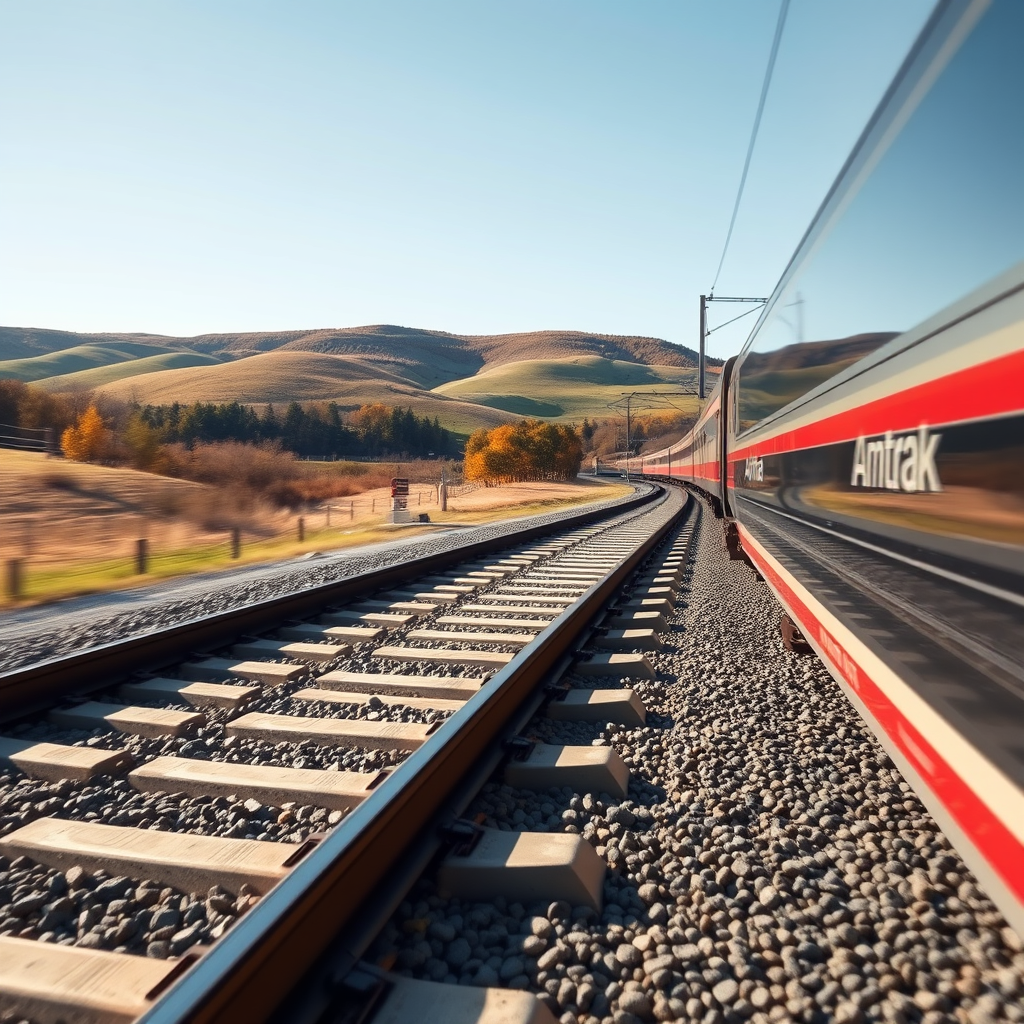
This article examines Amtrak’s substantial $122 million investment in upgrading the Harrisburg line in Pennsylvania, a crucial component of the Northeast Corridor (NEC). This project highlights the critical need for infrastructure renewal on aging rail networks and the complex logistical challenges involved in such large-scale undertakings. The modernization efforts, focusing on track replacement, tie renewal, and ballast improvements, are designed to enhance safety, reliability, and efficiency across the route. Additionally, the discussion will delve into the strategic implications of this project within the broader context of Amtrak’s ongoing Northeast Corridor improvements, exploring the economic and societal benefits, as well as the challenges posed by necessary track closures and the mitigation strategies employed by Amtrak. The project’s significance extends beyond Pennsylvania, illustrating the critical role of infrastructure investment in supporting national passenger rail services and its impact on overall economic productivity and passenger experience.
Amtrak’s Harrisburg Line Renewal: A Critical Infrastructure Upgrade
Amtrak’s $122 million investment in renewing the Harrisburg line underscores the urgent need for infrastructure modernization within the aging Northeast Corridor (NEC). The existing infrastructure, dating back to the 1950s, has reached the end of its useful life, necessitating complete replacement. The project involves the installation of 43 miles of new rail—nearly 100% of the track within the Lancaster-Harrisburg section—and the replacement of outdated wooden ties with durable concrete ties. This detailed approach aims to significantly improve track stability, reduce maintenance costs, and enhance overall operational efficiency. The complete renewal of the ballast (the gravel bed beneath the track) will also improve drainage, crucial for mitigating the effects of inclement weather and ensuring consistent train speeds.
Logistical Challenges and Mitigation Strategies
Undertaking such a significant infrastructure project inevitably presents logistical challenges. Amtrak’s implementation strategy involves a combination of single and full track outages (periods when a section of track is closed for work), scheduled from April to November, primarily between 8 am and 4 pm, Monday to Thursday. These closures, while necessary for the safety of workers and the effective execution of the upgrades, are planned to minimize disruption to passengers. Amtrak estimates that only approximately 450 daily Keystone Service customers will be affected by these planned interruptions. To mitigate the impact on passengers, Amtrak will provide alternative bus services during these closures. The careful planning and strategic implementation highlight Amtrak’s dedication to balancing infrastructure renewal with continued passenger service.
The Broader Context: Northeast Corridor Improvements
The Harrisburg line upgrade is not an isolated project but forms a key part of Amtrak’s broader effort to modernize the entire Northeast Corridor. This vital artery of the American rail network, connecting major cities such as Boston, New York, Philadelphia, Baltimore, and Washington D.C., received its last major overhaul in the 1970s. The current upgrades are crucial for maintaining the NEC’s operational capacity and ensuring its ability to meet the increasing demand for passenger rail services. The substantial federal funding received by Amtrak, including contributions from the Bipartisan Infrastructure Law (BIL), underscores the national significance of this project and the government’s commitment to investing in critical infrastructure.
Economic and Societal Impacts
The economic benefits of this infrastructure investment are far-reaching. Improved infrastructure translates to increased reliability and efficiency of rail services, leading to cost savings for Amtrak and a more dependable mode of transportation for passengers. The project also creates jobs, both directly through construction and indirectly through supporting industries. Additionally, the enhanced reliability and capacity of the NEC contribute to economic growth within the corridor, supporting tourism, commerce, and regional development. The improved passenger experience—enhanced comfort, reduced delays, and increased punctuality—also contributes to the overall quality of life within the communities served by the NEC.
Conclusions
Amtrak’s $122 million upgrade of the Harrisburg line represents a critical investment in the future of passenger rail in the United States. This project, a key element within the larger Northeast Corridor (NEC) modernization strategy, is not merely about replacing outdated infrastructure; it is about ensuring the long-term viability and efficiency of one of the nation’s most important transportation arteries. The project’s detailed approach, encompassing new rail, concrete ties, and ballast renewal, aims to enhance safety, reliability, and efficiency. The meticulous planning, including the implementation of alternative bus services during necessary track closures, demonstrates Amtrak’s commitment to minimizing passenger disruption. The substantial federal funding received highlights the national significance of this investment. Beyond the immediate benefits of improved infrastructure, this project contributes to broader economic growth, job creation, and an improved passenger experience. The success of this project serves as a model for future infrastructure improvements, emphasizing the need for detailed planning, strategic investment, and a commitment to balancing infrastructure renewal with the ongoing needs of passengers. The revitalization of the Harrisburg line is not just about upgrading tracks; it is about enhancing connectivity, boosting economic opportunity, and shaping the future of passenger rail transportation in the United States.

Railway infrastructure, rolling stock and transport technologies specialist focused on global rail industry developments, high-speed rail systems, signaling technologies and freight transportation. Covering railway investments, public transport modernization, rail operations and international mobility projects across Europe, Asia and North America.
RELATED POSTS

September 5, 2026 4:19 pm
CPK launched formal tender talks with four consortia to design...
September 6, 2026 8:17 am
DB InfraGO reopened the Nuremberg-Regensburg line in Bavaria on 31...
September 5, 2026 6:17 pm
Universal Signalling won a deal to install its U-Cross system...
September 6, 2026 12:20 pm
Indian Railways ordered a probe after a fire destroyed 2...
September 7, 2026 11:16 pm
China Railway Tunnel Group completed the 11.3-km underwater Yangtze tunnel...
September 6, 2026 7:12 am
Renfe invests €1bn by 2030 to fix its rail depots...