
Network Rail’s Easter 2021 Upgrade: £116M Rail Revolution
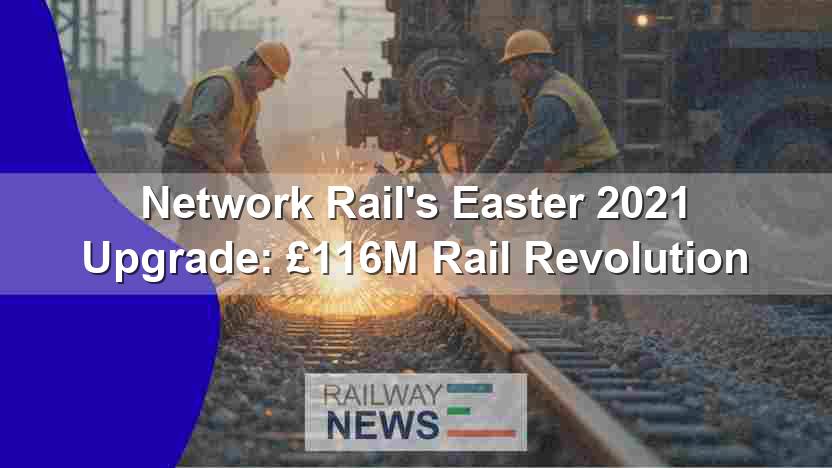
The Easter 2021 Network Rail Upgrade was a £116 million infrastructure project across the UK that involved approximately 600 individual projects to maintain and upgrade railway networks during reduced passenger traffic, showcasing strategic timing and resource allocation for efficient maintenance.
The Easter 2021 Network Rail Upgrade: A Case Study in Planned Railway Maintenance
This article examines the extensive railway infrastructure upgrade program undertaken by Network Rail (NR) across the United Kingdom during the Easter bank holiday weekend of 2021. This £116 million investment encompassed approximately 600 individual projects, highlighting the scale and complexity of maintaining a national rail network. The strategic decision to implement these upgrades during a period of reduced passenger traffic, due to the ongoing COVID-19 pandemic, is a key aspect of this analysis. We will explore the logistical challenges, the types of work undertaken, the economic implications, and the overall impact on the long-term sustainability and efficiency of the UK rail system. The project serves as a valuable example of proactive infrastructure maintenance and its contribution to the national recovery efforts following a period of economic uncertainty.
Strategic Timing and Resource Allocation
The selection of the Easter bank holiday weekend for this large-scale undertaking was a critical strategic decision. The reduced passenger numbers during this period minimized disruption to regular services and allowed for more efficient and safer execution of the works. This illustrates the importance of careful planning and coordination between NR, train operating companies (TOCs), and other stakeholders. The allocation of resources, including personnel (thousands of frontline workers), equipment, and materials, required meticulous logistical planning to ensure all projects were completed within the timeframe. Effective communication and collaboration were crucial to the success of this operation. The concentration of work during a shorter, defined period showcases the benefits of planned maintenance over reactive repairs, minimizing long-term operational costs.
Scope and Nature of Works
The 600 projects encompassed a diverse range of activities crucial for maintaining and improving railway infrastructure. These included:
- Overhead line maintenance and remodelling: Ensuring the safe and reliable delivery of electrical power to trains.
- Track layout modifications: Works at London King’s Cross station as part of the £1.2bn East Coast Upgrade, exemplifies the scale of track improvements.
- Signalling upgrades: Replacing outdated signalling equipment, as seen in the Kingston, Richmond, and Twickenham areas, improves safety and efficiency.
- Track renewals and remodelling: Projects between West Hampstead and Mill Hill Broadway demonstrate the continuous cycle of track maintenance and upgrades essential for safe and reliable train operation.
- West Coast Main Line (WCML) improvements: A series of upgrades on this critical route highlight the focus on high-traffic arteries.
- High-Speed 2 (HS2) terminus works: Preparation and development works for the new HS2 terminal demonstrate investment in future rail capacity.
This variety reflects the holistic approach to maintaining the UK’s complex railway network.
Economic and Societal Impacts
The £116 million investment represents a significant commitment to the long-term health of the UK rail infrastructure. While the immediate impact involved temporary disruption to some services, the long-term benefits outweigh this short-term inconvenience. The upgrades improve network reliability, increase capacity, and enhance safety, ultimately benefiting passengers, freight operators, and the national economy. Additionally, the project generated employment opportunities and contributed to the post-pandemic economic recovery. The proactive approach to maintenance demonstrates a commitment to reducing future operational costs and mitigating potential disruptions from unforeseen failures.
Conclusions
The Network Rail Easter 2021 upgrade program serves as a compelling example of large-scale, planned railway maintenance. The strategic use of the bank holiday weekend to minimize passenger disruption, the diverse range of upgrade projects, and the significant financial investment demonstrate a commitment to improving the long-term sustainability and performance of the UK rail network. The project’s success hinged on meticulous planning, effective resource allocation, and strong collaboration between NR, TOCs, and other stakeholders. The focus on critical areas like overhead lines, signalling systems, and track infrastructure underscores the importance of regular maintenance and investment in preventative measures. While short-term inconvenience for some passengers was unavoidable, the long-term benefits – improved safety, increased capacity, enhanced reliability, and economic stimulation – far outweigh the temporary disruption. The overall success of the project highlights the importance of proactive infrastructure management and its critical role in supporting economic growth and maintaining a resilient and efficient national rail system. The program is a valuable case study for other national railway operators facing similar challenges in managing aging infrastructure and balancing maintenance needs with ongoing passenger and freight demands. Future planning should consider incorporating similar focused, large-scale maintenance programs during periods of reduced demand to maximize efficiency and minimize disruption to passenger services.

Railway infrastructure, rolling stock and transport technologies specialist focused on global rail industry developments, high-speed rail systems, signaling technologies and freight transportation. Covering railway investments, public transport modernization, rail operations and international mobility projects across Europe, Asia and North America.
RELATED POSTS

September 5, 2026 4:19 pm
CPK launched formal tender talks with four consortia to design...

September 5, 2026 7:14 pm
HS2 Ltd signed renegotiated civils contracts with EKFB and Align...

September 6, 2026 4:12 am
Alstom delivered the first of 100 new G Class trams...
September 5, 2026 6:17 pm
Universal Signalling won a deal to install its U-Cross system...
September 6, 2026 8:17 am
DB InfraGO reopened the Nuremberg-Regensburg line in Bavaria on 31...
September 6, 2026 12:20 pm
Indian Railways ordered a probe after a fire destroyed 2...