
VTA Secures $100M for BART Extension: San Jose, Electric Rail Boost
VTA secures $100M state funding for BART extension, boosting Bay Area rail.
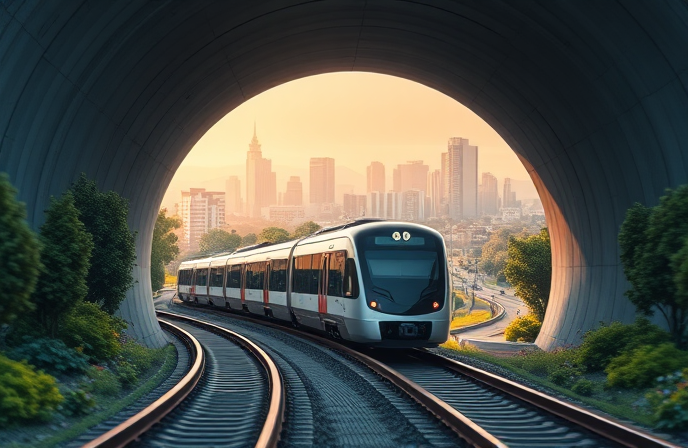
VTA Secures $100 Million in State Funding for BART Extension Project
The Santa Clara Valley Transportation Authority (VTA) has been awarded a substantial $100 million in state funding, marking a significant step forward for the Bay Area Regional Transportation Silicon Valley Phase II (BSVII) project. This vital investment, announced today, will be channeled towards enhancing mobility solutions within the San Francisco Bay Area, specifically by leveraging electric rail technology. The funding, sourced from two state programs, addresses a critical funding gap in the ambitious BSVII project. This article explores the implications of this financial infusion, the specific initiatives supported, and the long-term impact on the region’s transportation landscape. The ‘Who’ is the Santa Clara Valley Transportation Authority (VTA). The ‘What’ is $100 million in funding for the BSVII project. The ‘When’ is unspecified, but it is a current announcement. The ‘Where’ is the San Francisco Bay Area, primarily focusing on San Jose and Santa Clara. The ‘Why’ is to improve mobility and advance sustainable transportation solutions. The ‘How’ involves the use of electric rail and the extension of the Bay Area Rapid Transit (BART) system.
Strategic Funding Allocation
The $100 million in funding comes from two key state programs. Firstly, $25 million is allocated from the 2025 Local Partnership Competitive Program. This initiative is specifically designed to support and address local mobility and transportation challenges. This portion of the funding underscores the project’s commitment to addressing immediate needs in the region. Secondly, the remaining $75 million is provided by the 2025 Solutions for Congested Containers Program. This program prioritizes projects that champion sustainable and equitable transportation solutions. This allocation highlights the commitment to environmental responsibility and providing accessible transportation options.
BSVII Project Scope and Technological Integration
The BSVII project is a critical infrastructure undertaking that involves extending the existing Bay Area Rapid Transit (BART) system by approximately 6 miles. This extension will directly connect downtown San Jose and Santa Clara, California, providing enhanced accessibility for commuters and residents. The project anticipates to integrate advanced electric rail technologies, providing a modern and sustainable approach to public transport in the region. The integration of this technology is intended to offer an environmentally friendly and efficient alternative to existing transportation methods, reducing congestion and carbon emissions.
Filling the Funding Gap and Financial Considerations
The $100 million award plays a crucial role in bridging the funding gap required to deliver the full BSVII project. The total estimated cost of the BSVII project is $12.7 billion. Securing this investment from the state, along with other funding streams, is pivotal for the project’s successful execution. Additionally, this funding is instrumental in accelerating project timelines and facilitating the procurement of necessary materials and equipment. Strategic financial planning and the ability to secure such state investments are key factors in the development of large-scale railway projects, such as this one.
Conclusion
The Santa Clara Valley Transportation Authority’s recent acquisition of $100 million in state funding represents a vital step towards the realization of the BSVII project, a major initiative set to reshape transportation in the San Francisco Bay Area. This significant investment will enhance accessibility via the expansion of the BART system into San Jose and Santa Clara and reflects a strategic commitment to electric rail technology and sustainable transportation solutions. By providing financial support to fill the funding gap, these state programs ensure the smooth progression of the project, enabling improved mobility and promoting a greener, more efficient public transportation system. The railway sector should view this as an indicator of state governments’ intent to prioritize investment in electric rail systems, particularly for urban expansion. This project could also inspire other regions looking at similar urban expansion and transportation solutions. Additionally, it emphasizes the importance of collaboration between local transit agencies and state entities in executing and financing large-scale infrastructure projects. The success of the BSVII project will undoubtedly set a precedent for future transit endeavors and highlight the value of sustainable transportation infrastructure.
Company Summary
The Santa Clara Valley Transportation Authority (VTA) is a prominent public transit agency responsible for providing public transportation services, including light rail, bus, and paratransit in Santa Clara County, California. VTA’s railway-related operations include maintaining a light rail system that serves as a vital component of the regional transportation network. The organization is committed to providing safe, reliable, and sustainable public transportation options, making it a key player in improving mobility and addressing transportation challenges in the Silicon Valley region.

Railway infrastructure, rolling stock and transport technologies specialist focused on global rail industry developments, high-speed rail systems, signaling technologies and freight transportation. Covering railway investments, public transport modernization, rail operations and international mobility projects across Europe, Asia and North America.
RELATED POSTS

October 1, 2026 7:09 am
United States regulators confirmed a September 30 deadline for the...

October 1, 2026 12:13 am
Illinois approved $1.5 billion annually for the Northern Illinois Transit...

October 1, 2026 6:10 am
Amtrak approved a System Expansion Committee on July 30 to...

October 4, 2026 5:14 pm
Alstom secured a CA$4.7 billion order from VIA Rail Canada...
October 1, 2026 4:10 am
DART launched two public ridership dashboards in March 2026 to...
October 1, 2026 5:14 am
Siemens confirmed delivery of the first new S200 train to...