
UP-NS Merger: STB Review Begins, Chicago Rail Concerns Emerge
STB reviews the $85B Union Pacific-Norfolk Southern merger, aiming for a transcontinental rail network. Chicago’s aging infrastructure poses a key challenge.
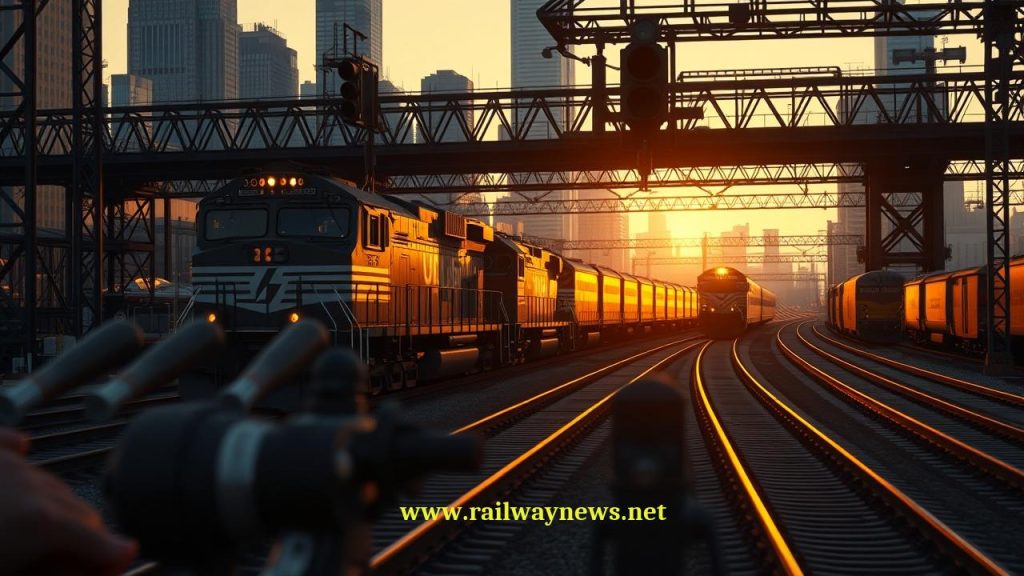
WASHINGTON D.C. – The U.S. Surface Transportation Board (STB) has initiated its review of the historic $85 billion merger application from Union Pacific and Norfolk Southern, a proposal aimed at creating the first truly transcontinental American railroad. While the STB is currently focused solely on whether the nearly 7,000-page document is complete, significant concerns are already emerging over the merger’s potential impact on Chicago’s congested and aging rail infrastructure.
| Category | Details |
|---|---|
| Transaction Value | $85 billion |
| Parties Involved | Union Pacific Railroad (UP) & Norfolk Southern Railway (NS) |
| Regulatory Body | Surface Transportation Board (STB) |
| Application Filed | December 19, 2025 |
| Key Technical Challenge | Proposed doubling of train traffic on Chicago-area tracks with hand-thrown switches and century-old bridges. |
| Public Comment Deadline (Completeness) | December 29, 2025 |
Main Body:
In a formal decision released following the December 19 filing, the Surface Transportation Board announced it is inviting public comments on the procedural completeness of the massive merger application submitted by Union Pacific and Norfolk Southern. This initial step is not a review of the transaction’s merits but a critical gatekeeping phase to ensure all required information has been provided. Interested parties have until December 29, 2025, to file their assessments, after which the two Class I railroads will have an opportunity to reply by January 2, 2026. Only if the STB deems the application complete will it proceed to the more substantive stage of considering the merger’s potential benefits and drawbacks for the national rail network.
A central pillar of the merger’s operational plan involves a significant increase in traffic through the nation’s most critical rail hub: Chicago. The application details plans to double the number of trains on a key 2-mile stretch of track on the city’s West Side. This raises immediate alarms, as the specified corridor relies on outdated infrastructure, including manually operated hand-thrown switches and century-old bridges that restrict train speeds to less than 15 miles per hour. While the railroads propose routing some new transcontinental services to bypass Chicago or run straight through without stopping, the plan to intensify use of this bottleneck—which agencies have sought to upgrade since 2003—presents a major technical and logistical hurdle that regulators will be forced to scrutinize.
Union Pacific and Norfolk Southern are positioning the merger as a transformative move to strengthen the U.S. supply chain and enhance competition against the trucking industry. NS CEO Mark George stated that the resulting single-line transcontinental service would be more reliable and streamlined for customers than existing partnerships, providing new options for shippers and reaching underserved markets. The railroads argue that by creating a more efficient coast-to-coast network, they can shift a significant volume of freight from highways to rail, creating growth opportunities for the entire industry, including the short-line operators who handle crucial first- and last-mile connections.
Key Takeaways
- The STB is currently in a preliminary phase, accepting public comment only on the completeness of the UP-NS merger application before deciding whether to advance the review.
- The merger’s success hinges on navigating the Chicago rail hub, where plans to double traffic on tracks with obsolete, manually operated infrastructure are drawing early criticism.
- Proponents argue the $85 billion deal will create a powerful single-line competitor to long-haul trucking, improving supply chain reliability and expanding rail access for shippers.
Editor’s Analysis
The proposed Union Pacific-Norfolk Southern merger represents the most ambitious consolidation in the North American rail industry in decades, and its implications extend far beyond corporate balance sheets. This is a direct challenge to the dominance of long-haul trucking and a referendum on whether legacy rail networks can be modernized to meet 21st-century supply chain demands. The spotlight on Chicago’s infrastructure bottleneck is telling; the success of this transcontinental vision is not just a matter of regulatory approval but of concrete investment in long-neglected, critical chokepoints. How the STB and the railroads address this challenge will set a precedent for the future of public-private cooperation in upgrading national infrastructure and determine if rail can truly become the backbone of a more efficient and resilient U.S. freight system.
Frequently Asked Questions
- What is the current status of the Union Pacific and Norfolk Southern merger?
- The merger application was filed with the Surface Transportation Board (STB) on Dec. 19, 2025. The STB is now accepting public comments until Dec. 29, 2025, to determine if the application is complete before beginning a formal review of its merits.
- What are the stated goals of the proposed merger?
- The primary goal is to create the first single-line transcontinental railroad in the United States. The railroads claim this will accelerate freight movement, strengthen the U.S. supply chain, and allow them to compete more effectively with the trucking industry for long-haul freight.
- What is a major potential obstacle to the merger?
- A significant challenge is the plan’s impact on Chicago’s rail infrastructure. The application proposes doubling train traffic on a 2-mile stretch of track that uses outdated technology like hand-thrown switches and century-old bridges, which could exacerbate congestion in the nation’s busiest rail hub.

Railway infrastructure, rolling stock and transport technologies specialist focused on global rail industry developments, high-speed rail systems, signaling technologies and freight transportation. Covering railway investments, public transport modernization, rail operations and international mobility projects across Europe, Asia and North America.
RELATED POSTS

October 8, 2026 1:15 pm
Alstom secured a €1bn contract to build 13 automated trains,...

October 1, 2026 7:09 am
United States regulators confirmed a September 30 deadline for the...

October 8, 2026 12:18 pm
Siemens Mobility signed an agreement with VinSpeed to supply 350...

October 4, 2026 5:14 pm
Alstom secured a CA$4.7 billion order from VIA Rail Canada...

October 5, 2026 6:12 pm
AECOM and Jacobs secured a contract in September 2026 to...

October 1, 2026 12:13 am
Illinois approved $1.5 billion annually for the Northern Illinois Transit...