
UK Rail Revolution: Digital Signalling & HS2 Challenges
The United Kingdom rail industry is undergoing transformative changes with pioneering digital signalling advancements on key routes like London’s Moorgate Milestone, while also facing challenges such as safety investigations into rolling stock operation and escalating costs of major infrastructure projects including the high-speed HS2.
United Kingdom
October 26, 2023
The UK rail industry is currently navigating a period of significant transformation, marked by pioneering technological advancements, ambitious regional development proposals, and a renewed focus on safety and operational standards. Recent discussions and developments highlight this dynamic landscape. A landmark achievement in digital signalling on a key London commuter route signals a move towards a more modern, efficient network, promising enhanced capacity and reliability through the implementation of the European Train Control System (ETCS). Simultaneously, detailed reviews of regional rail infrastructure, such as the ambitious multi-billion-pound proposal for Yorkshire, are under intense scrutiny for their feasibility and potential economic impact. Alongside these forward-looking initiatives, the industry grapples with ongoing challenges, including critical safety investigations by the Office of Rail and Road (ORR) into rolling stock operation and persistent questions surrounding the timelines and escalating costs of major national infrastructure projects like High Speed 2 (HS2). This article will delve into these critical areas, exploring the implications for the future of Britain’s railways.
Dawn of Digital Mainline Signalling: The Moorgate Milestone
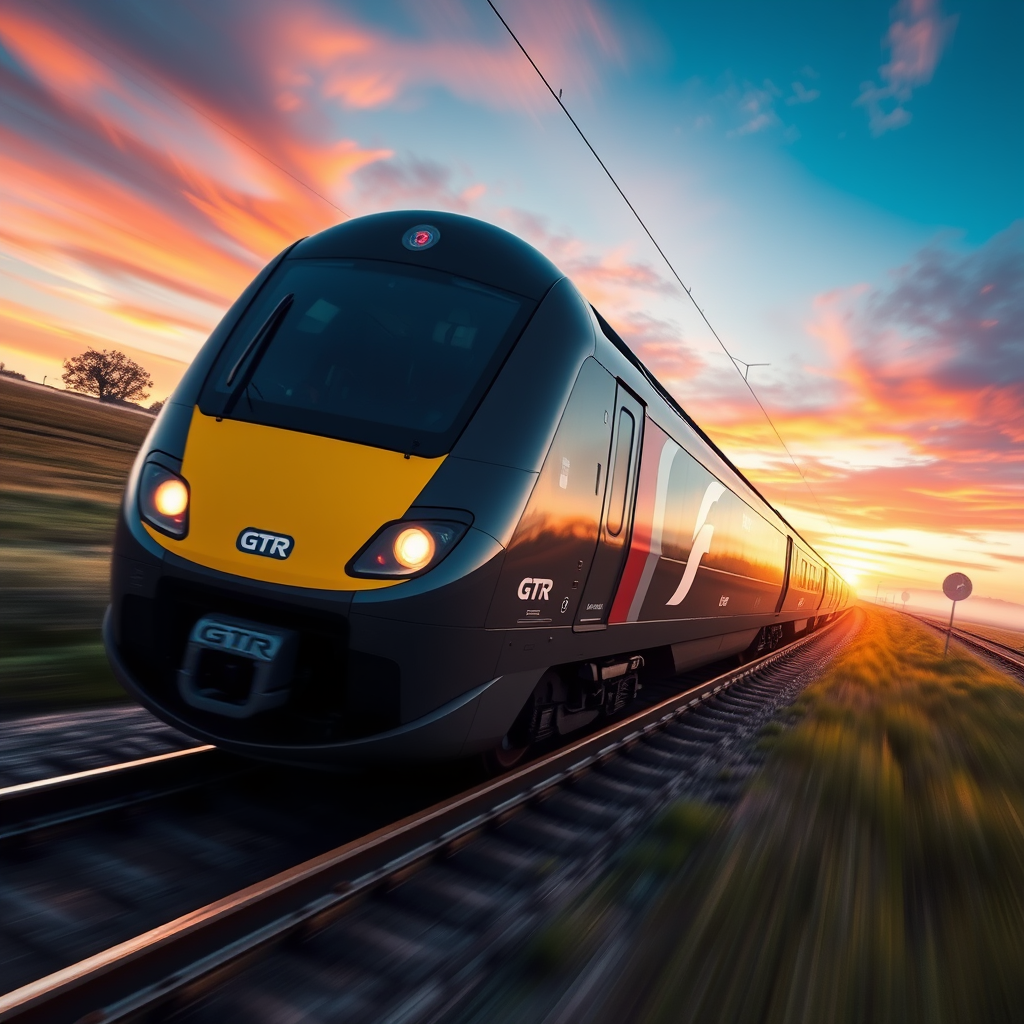
A significant technological leap forward was recently achieved on the UK rail network with the Finsbury Park to Moorgate line becoming Britain’s first commuter railway to operate without lineside signals. This milestone, part of Network Rail’s ambitious East Coast Digital Programme (ECDP), involves the implementation of European Train Control System (ETCS) Level 2 digital signalling. Govia Thameslink Railway (GTR) services on this Northern City Line route now rely entirely on in-cab signalling, where train movement authority is transmitted directly to the driver via a display in the cab. This transition is a critical step towards modernising some of Britain’s busiest and most complex railway sections. The removal of traditional signals reduces maintenance costs, improves resilience against signal failures, and, crucially, allows for increased train throughput and enhanced safety by providing continuous speed supervision. This development serves as a vital proving ground for wider ETCS deployment across the East Coast Main Line, aiming to deliver substantial benefits in capacity and performance.
Navigating Ambitious Rail Investment: Yorkshire’s Vision and HS2’s Hurdles
The future strategic direction of UK rail investment is under the spotlight with Lord David Blunkett’s recent report on Yorkshire’s rail network. Described as a “genuinely collaborative approach” involving three Metro Mayors, the report outlines a transformative vision for rail connectivity across the county and wider region. However, with an estimated cost of £15 billion, its feasibility in the current economic climate and alignment with national transport priorities are subjects of intense debate. This regional ambition contrasts with ongoing uncertainties surrounding High Speed 2 (HS2). Reports continue to surface regarding further potential delays to the project and an escalating overall cost, possibly reaching £100 billion. These major infrastructure programmes highlight the complex balancing act between delivering long-term strategic benefits, managing vast public expenditure, and navigating the intricate planning and engineering challenges inherent in such large-scale undertakings. The outcomes of these discussions will profoundly shape inter-city and regional rail capabilities for decades to come.
Upholding Safety and Regulatory Scrutiny in Operations
Maintaining the highest safety standards remains a non-negotiable priority for the rail industry. Recent concerns have emerged regarding a train operator potentially running services using Mark 1 slam-door rolling stock with passengers on board but without operational Central Door Locking (CDL). The Office of Rail and Road (ORR), the UK’s independent rail regulator, is reportedly investigating this serious allegation. The use of Mark 1 stock, which dates back to the mid-20th century, on mainline passenger services without modern safety interlocks like CDL raises significant safety questions regarding door security during transit. This incident underscores the critical importance of robust regulatory oversight and adherence to established safety protocols, particularly when legacy equipment interfaces with the modern operational railway. In a separate but related safety context, innovative approaches are being adopted to tackle issues like railway trespass, with drone technology being deployed in areas such as the North East to monitor tracks and deter incursions, thereby enhancing operational safety and reducing service disruptions.
Modernisation, Accessibility, and Evolving Passenger Services
Beyond core infrastructure and safety, the UK rail sector is pursuing various initiatives to enhance the passenger experience and future-proof its services. Southeastern is undertaking a refresh of its Class 395 Javelin fleet, the high-speed trains that serve Kent routes, aiming to improve onboard amenities and maintain fleet reliability. Concurrently, the ORR is consulting on updated accessibility guidance for railway stations and onboard trains. This initiative seeks to ensure that the rail network becomes more inclusive and user-friendly for passengers with disabilities or mobility restrictions, reflecting a commitment to an equitable travel experience. Looking further ahead, discussions persist about the potential introduction of double-decker trains for services to London from the continent, a concept that could offer significant capacity enhancements on key international routes. However, the economic viability of rail investments remains a key consideration, as illustrated by the Borders Railway, where reports indicate its operational costs are currently double its earnings. This highlights the financial challenges associated with some route reinstatements and the need for sustainable long-term funding models for all parts of the network.
Conclusion
The UK railway sector is clearly at a pivotal juncture, characterized by a complex interplay of groundbreaking innovation, strategic investment deliberations, and rigorous regulatory oversight. The successful deployment of in-cab European Train Control System (ETCS) signalling on the Northern City Line is a landmark achievement, a tangible demonstration of the industry’s capacity for technological advancement that promises enhanced capacity, improved reliability, and superior safety standards. This progress, however, unfolds against a challenging backdrop. Searching questions persist regarding the financial viability and deliverability of large-scale infrastructure projects, such as Yorkshire’s ambitious multi-billion-pound regional rail vision and the ever-evolving High Speed 2 (HS2) saga, which underscore the immense financial and logistical hurdles inherent in modernizing and expanding a legacy network.
Additionally, an unwavering commitment to safety remains paramount, as evidenced by the Office of Rail and Road’s (ORR) proactive investigation into alleged operational anachronisms related to rolling stock. The industry’s dedication also extends to continuously improving the passenger journey. This is seen in tangible fleet enhancements, such as the Southeastern Class 395 Javelin refresh, and a strategic focus on greater network accessibility, actively guided by consultations and standards set by the ORR. Innovative initiatives, including the deployment of drone technology to combat railway trespass, further reflect a proactive and modern approach to operational resilience and safety. Ultimately, the path forward for UK rail demands a meticulously balanced approach: one that enthusiastically embraces cutting-edge technological solutions while concurrently ensuring robust safety protocols, stringent fiscal responsibility, and a clear, unwavering focus on meeting the diverse and evolving needs of both the travelling public and freight operators. The journey ahead is undeniably complex, yet the collective drive towards creating a more efficient, safe, and passenger-centric railway network continues to define and energize the industry’s agenda.
—
Company Summaries:
- Govia Thameslink Railway (GTR): One of the largest train operating companies in the United Kingdom, GTR manages Thameslink, Great Northern, Southern, and Gatwick Express services. The company is a key partner in the implementation of digital signalling technologies, particularly on routes into London like the Northern City Line.
- Network Rail: As the owner and infrastructure manager of the majority of Great Britain’s railway network (excluding Northern Ireland and some specific lines), Network Rail is responsible for the maintenance, development, and enhancement of tracks, signalling systems, bridges, tunnels, and stations. It leads critical national projects such as the East Coast Digital Programme (ECDP).
- Office of Rail and Road (ORR): The ORR is the independent safety and economic regulator for Britain’s railways and the monitor of Highways England. It ensures the railway industry operates safely, efficiently, and provides value for passengers and taxpayers. It conducts investigations, sets standards, and enforces compliance.

Railway infrastructure, rolling stock and transport technologies specialist focused on global rail industry developments, high-speed rail systems, signaling technologies and freight transportation. Covering railway investments, public transport modernization, rail operations and international mobility projects across Europe, Asia and North America.
RELATED POSTS

October 1, 2026 7:09 am
United States regulators confirmed a September 30 deadline for the...

October 8, 2026 1:15 pm
Alstom secured a €1bn contract to build 13 automated trains,...

October 4, 2026 5:14 pm
Alstom secured a CA$4.7 billion order from VIA Rail Canada...

October 8, 2026 12:18 pm
Siemens Mobility signed an agreement with VinSpeed to supply 350...

October 5, 2026 6:12 pm
AECOM and Jacobs secured a contract in September 2026 to...

October 4, 2026 11:08 pm
Sound Transit confirmed the September 30 opening of Seattle Pinehurst...