
UK Budget 2024: Rail vs Air, Investment & Challenges
The UK’s recent budget allocates substantial investments to improve railway infrastructure while increasing Air Passenger Duty, focusing on major upgrades like TRU and HS2 but facing challenges in balancing economic impacts with environmental concerns.
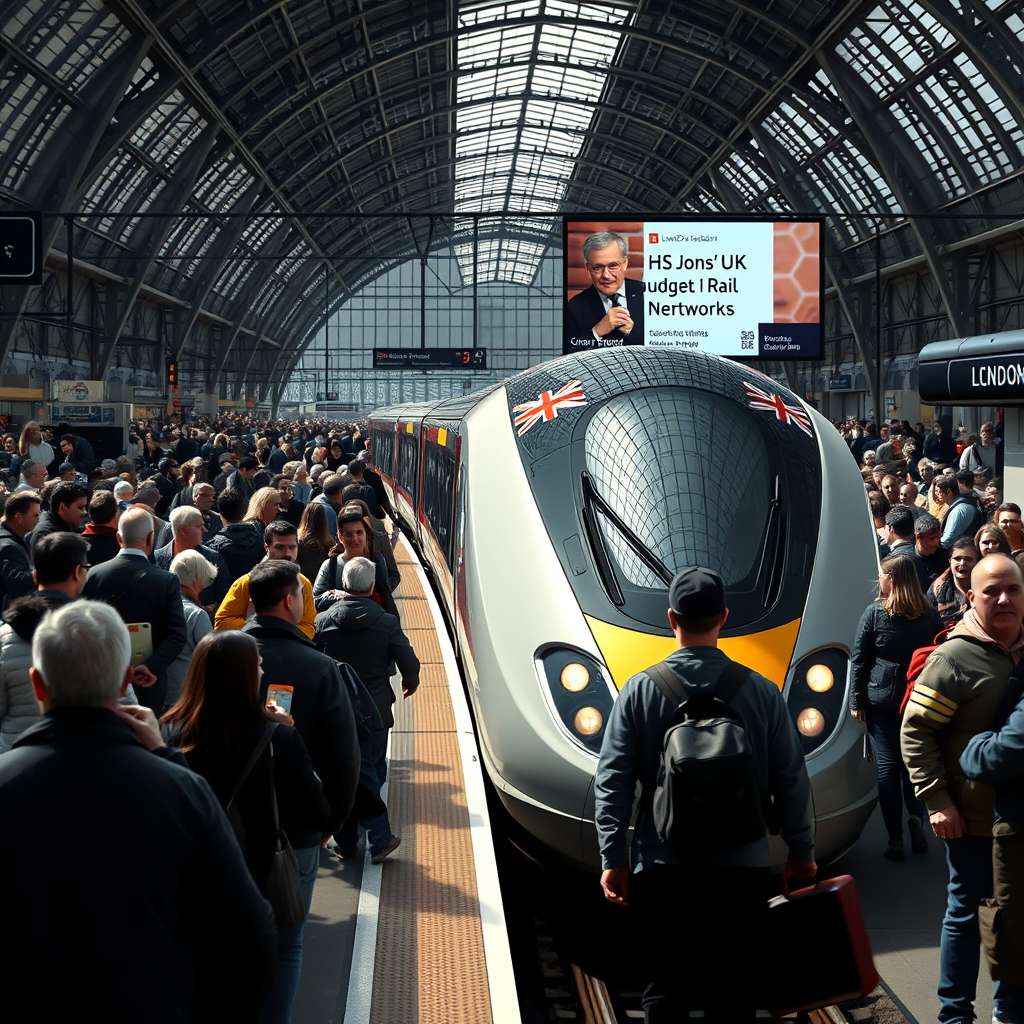
This article analyzes the UK’s recent budget concerning the transport sector, focusing particularly on its implications for the railway industry. The budget, presented by Chancellor Rachel Reeves, outlines significant investments and policy changes impacting both air and rail travel. While the aviation sector faces increased Air Passenger Duty (APD) – a tax on air travel – impacting airlines, private jet operators, and ultimately, passengers, the railway sector receives a more substantial commitment. The budget details continued investment in major railway projects, including the Transpennine Route Upgrade (TRU), East-West Rail, and crucially, the continuation of HS2 (High-Speed 2) to London Euston. This analysis will delve into the specifics of these announcements, examining their potential economic and environmental consequences, and ultimately assessing their long-term impact on the UK’s railway network and the broader transport landscape. The analysis will also touch upon the challenges and opportunities presented by these investments, considering the perspectives of industry stakeholders and the need for sustained, long-term investment planning.
Air Passenger Duty Increases and Their Impact
The budget includes a notable increase in Air Passenger Duty (APD). For the fiscal year beginning April 2025, APD will rise in line with the Retail Price Index (RPI), a measure of inflation. Further increases are planned for 2026, with larger hikes for long-haul and premium tickets, and a significant 50% increase for private jet flights exceeding 20 tonnes and carrying fewer than 19 passengers. This increase aims to address environmental concerns and generate additional revenue. However, industry groups like Airports UK express concern that these increases will hinder investment in sustainable aviation technologies and negatively impact airport operations and international connectivity. The increased APD is also anticipated to impact business travel, potentially shifting demand towards alternative modes of transport, such as rail.
Rail Investment and Infrastructure Projects
The budget demonstrates a significant commitment to railway infrastructure improvements. Key projects include the completion of the Transpennine Route Upgrade (TRU) between York and Manchester, improving connectivity in northern England and laying the groundwork for Northern Powerhouse Rail. Electrification projects on various lines across the country are also underway. The East-West Rail project connecting Oxford and Cambridge will further enhance regional connectivity. The continuation of HS2 Phase One to London Euston is arguably the most impactful announcement, securing government funding for crucial tunneling work and signaling a commitment to the project’s completion. This decision has been welcomed by industry stakeholders, who view it as a catalyst for private investment and economic growth.
Balancing Public and Private Investment in Rail
While the budget’s commitment to major railway projects is positive, concerns remain about the long-term sustainability of rail investment. Although the government pledges continued funding for projects like HS2 and other upgrades, the lack of a published Rail Network Enhancement Pipeline (RNEP) creates uncertainty around long-term investment plans. This lack of clarity could hinder private sector investment, which is crucial for the success of many ambitious rail schemes. The industry calls for a more detailed long-term strategy to provide greater confidence for businesses to invest and contribute to the success of rail projects.
Environmental Considerations and Sustainability
The budget implicitly addresses environmental sustainability through increased APD on air travel and continued investment in rail infrastructure. Shifting passenger demand from air to rail travel, due to the APD increase, could reduce carbon emissions. Similarly, the electrification projects and improvements to existing lines contribute to a greener and more efficient railway network. However, the long-term environmental benefits will depend on the continued and consistent investment in sustainable transport options, a factor not entirely clear from the current budget.
Conclusions
The UK’s recent budget presents a mixed picture for the transport sector. While the increased APD on air travel aims to tackle environmental concerns and generate revenue, its potential negative impact on the aviation industry and business travel needs careful consideration. Conversely, the substantial investment in railway infrastructure projects is largely welcomed. The commitment to projects like the TRU, East-West Rail, and especially the completion of HS2 to London Euston, represents a significant step towards improving national and regional connectivity, stimulating economic growth and enhancing the overall efficiency of the rail network. This commitment addresses crucial infrastructure gaps and aims to improve the UK’s transport capabilities. However, the absence of a clear long-term investment strategy remains a concern. The lack of a published RNEP creates uncertainty for the rail industry and could limit private sector investment. To truly deliver on the promises made in the budget, the government must address this issue by providing a robust, long-term plan for investment in both infrastructure and rolling stock, fostering a more stable and sustainable future for the UK’s railway system. This sustained investment is not only crucial for improving the nation’s transport infrastructure but also essential for realizing the ambitious environmental goals set forth by the government, promoting economic growth and providing better connectivity for the country.

Railway infrastructure, rolling stock and transport technologies specialist focused on global rail industry developments, high-speed rail systems, signaling technologies and freight transportation. Covering railway investments, public transport modernization, rail operations and international mobility projects across Europe, Asia and North America.
RELATED POSTS

October 8, 2026 1:15 pm
Alstom secured a €1bn contract to build 13 automated trains,...

October 1, 2026 7:09 am
United States regulators confirmed a September 30 deadline for the...

October 4, 2026 5:14 pm
Alstom secured a CA$4.7 billion order from VIA Rail Canada...

October 8, 2026 12:18 pm
Siemens Mobility signed an agreement with VinSpeed to supply 350...

October 5, 2026 6:12 pm
AECOM and Jacobs secured a contract in September 2026 to...

October 4, 2026 11:08 pm
Sound Transit confirmed the September 30 opening of Seattle Pinehurst...