
UIC Leaflet 660: Technical Specifications for High-Speed Trains
UIC Leaflet 660 establishes the technical conditions and standards for high-speed trains (HST). It provides the framework for cross-border interoperability of trainsets designed for speeds of 250 km/h and above, ensuring they are compatible with different national infrastructures.
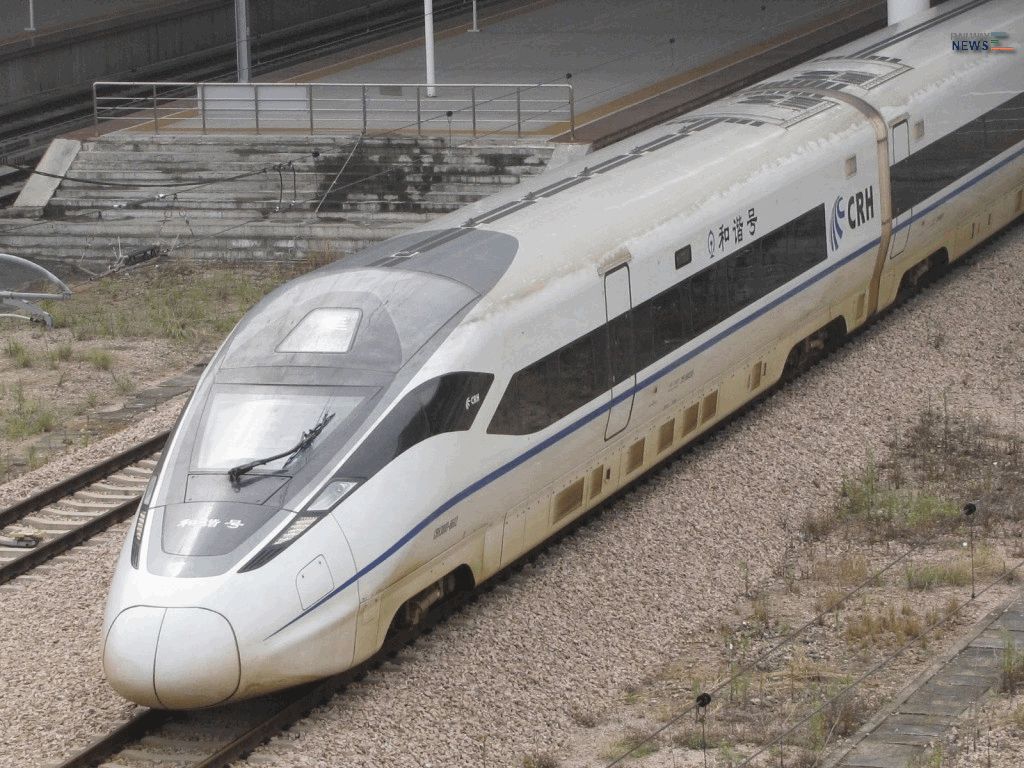
What is UIC Leaflet 660?
UIC Leaflet 660 is a detailed technical guideline titled “Measures to ensure the technical compatibility of high-speed trains.” As High-Speed Rail networks expanded across Europe and Asia, it became necessary to standardize the design of trainsets so they could transition from one infrastructure manager’s territory to another.
The leaflet acts as a precursor and technical foundation for the European TSI (Technical Specifications for Interoperability). It covers the specific requirements for Rolling Stock operating at speeds equal to or greater than 250 km/h, focusing on safety, performance, and environmental impact.
Key Technical Areas
The requirements in UIC 660 are much more stringent than those for conventional trains due to the extreme physical forces involved at high speeds. Key focus areas include:
- Aerodynamics: Standards for pressure stability when trains pass each other in tunnels or open track. It defines limits for the “head pressure pulse” to protect passengers and trackside staff.
- Crosswind Stability: Requirements for the vehicle’s center of gravity and aerodynamic profile to prevent derailment during high-velocity crosswinds.
- Traction and Braking: Performance curves for acceleration and emergency braking distances from 300 km/h, ensuring the train stays within the signaling block system’s safety margins.
- Current Collection: Dynamics of the pantograph-catenary interface to prevent arcing and ensure stable power supply at high speeds.
Infrastructure Compatibility and Gauging
A major section of UIC 660 is dedicated to Infrastructure Compatibility. High-speed trains often have unique “swept volumes” in curves. The leaflet defines the:
- Kinematic Gauge: Specific gauging requirements that account for the tilting or swaying of trainsets at high velocities.
- Track Interaction: Limits for the vertical and lateral forces (Y and Q forces) exerted on the rails to prevent track shifting or excessive wear.
- Acoustics: Noise emission limits to ensure environmental compliance near populated areas.
Impact on Modern Rail
UIC 660 ensures that a train like the French TGV, the German ICE, or the Italian Frecciarossa can operate on foreign tracks without needing major modifications. This Interoperability is the backbone of the “Single European Railway Area,” allowing for seamless international travel.
Comparison: Conventional vs. High-Speed Requirements (UIC 660)
| Parameter | Conventional Trains | High-Speed Trains (UIC 660) |
|---|---|---|
| Aerodynamic Load | Negligible at low speeds. | Critical for structural and passenger comfort. |
| Braking Distance | Standard mechanical friction. | Requires advanced eddy-current or dynamic braking. |
| Power Demand | Moderate. | Very high; requires specialized catenary tension. |
| Track Quality | Standard tolerances. | Extremely tight tolerances for smoothness. |

Railway infrastructure, rolling stock and transport technologies specialist focused on global rail industry developments, high-speed rail systems, signaling technologies and freight transportation. Covering railway investments, public transport modernization, rail operations and international mobility projects across Europe, Asia and North America.