
Amtrak Launches Baltimore Tunnel Replacement for 2036
Amtrak launched the Baltimore B&P Tunnel replacement for 2036, with two new electrified tunnels, first TBM in 2028, and a 345-foot utility tunnel now completed.
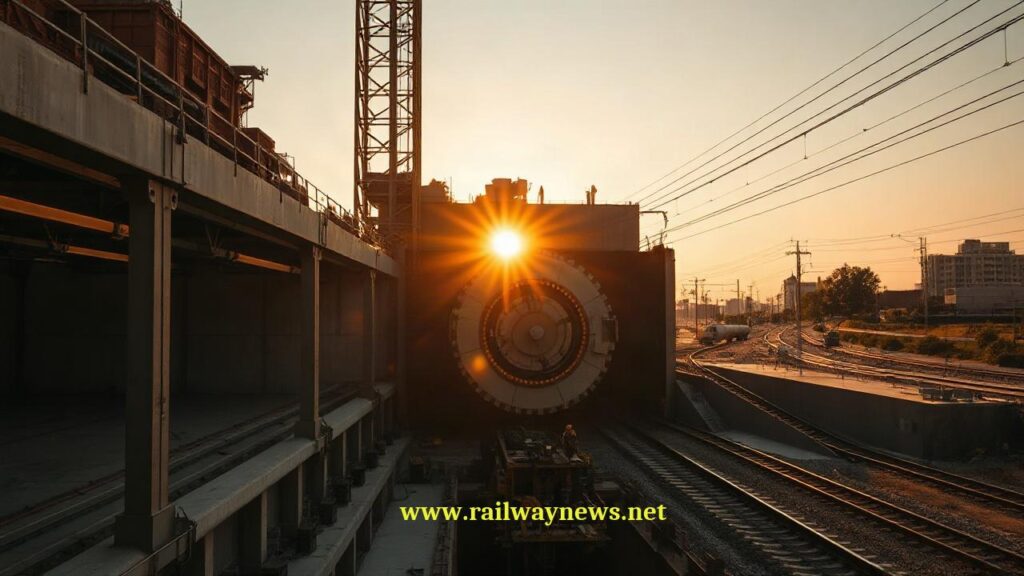
⚡ In Brief: Amtrak is constructing two new electrified tunnels in Baltimore, Maryland, to replace the 1873 B&P Tunnel, with the first tunnel boring machine scheduled to launch in 2028 and completion targeted for 2036.
BALTIMORE, US – Amtrak is advancing construction on the Baltimore and Potomac Tunnel replacement program, with preparatory work underway to launch the first of two tunnel boring machines in 2028. The existing 1.4-mile tunnel, opened in 1873, restricts speeds to 30 mph and sits at capacity. In March, teams completed a 345-foot utility tunnel under the tracks, and one tunnel boring machine is already 50% complete.
What Is the Full Scope of This Project?
The replacement program covers two new bored tunnels for electrified Amtrak and MARC service, along with track realignment on the Northeast Corridor south of the future tunnels. Utility relocations and the replacement of the Mulberry Street railroad bridge are also part of the scope. Amtrak and the Federal Railroad Administration spent more than a year evaluating design optimizations to cut costs and improve constructability (Source: Amtrak, 2025).
Key Project Data
| Parameter | Value |
|---|---|
| Project / Contract Name | Baltimore and Potomac Tunnel Replacement Program |
| Total Value | Not disclosed in source materials |
| Parties Involved | Amtrak, Federal Railroad Administration, Maryland Area Regional Commuter (MARC), tunneling contractor |
| Timeline / Completion | First TBM launch 2028; completion expected 2036 |
| Country / Corridor | United States — Northeast Corridor, Baltimore, Maryland |
How Does This Compare to Similar Projects?
The B&P program is one of several major rail infrastructure efforts facing schedule and cost pressures. In the UK, the East West Rail project has been delayed by the 2024 general election, train modifications, testing, driver training, and staffing arrangements; a management contract for Winslow station was awarded to Chiltern Railways in March 2025, but subsequent contract issues caused further delays (Source: BBC, 2025). By contrast, the World Bank approved a US$930 million project in June 2025 to extend and modernize Iraq’s railways, an example of a single, lump-sum external investment in corridor infrastructure (Source: World Bank, 2025). Globally, high-speed rail investment is accelerating — the market is projected to reach USD 99.35 billion by 2034, expanding at a CAGR of 6.35% from 2025 to 2034 (Source: Precedence Research, 2025). The B&P replacement, while overdue, is part of that broader investment wave; its 2036 completion means it will come online exactly as global passenger rail demand is forecast to peak.
Editor’s Analysis
The B&P replacement is a structural prerequisite for any future increases in Northeast Corridor service frequency or speed — the existing 1873 tunnel is a hard bottleneck on the busiest US rail corridor. The year-long design optimization signals that Amtrak is under real cost pressure, and similar pressures have already contributed to delays on East West Rail in the UK. The confirmed 2036 completion date means Baltimore will wait another decade for the capacity relief that the NEC’s long-term ridership forecasts require (Source: Precedence Research, 2025).
FAQ
Q: Why is the B&P Tunnel replacement taking so long?
A: The original tunnel was built in 1873, and the new program requires boring two new tunnels while keeping the active Northeast Corridor in service. Utility relocation, track realignment, and the utility tunnel breakthrough in March all had to be sequenced before the first TBM launch in 2028.
Q: How fast will trains travel through the new tunnels?
A: The source does not disclose a design speed, but the new tunnels are built for electrified Amtrak and MARC service, replacing a tunnel that limits trains to 30 mph. The target speed will be at least consistent with the wider Northeast Corridor’s existing high-speed segments.
Q: What happens if cost overruns continue?
A: Amtrak and the FRA stated they have identified design and scheduling optimizations to address cost pressures, but the total project value was not disclosed. No additional contingency or revised funding figure has been officially confirmed.

Railway infrastructure, rolling stock and transport technologies specialist focused on global rail industry developments, high-speed rail systems, signaling technologies and freight transportation. Covering railway investments, public transport modernization, rail operations and international mobility projects across Europe, Asia and North America.
RELATED POSTS

October 8, 2026 1:15 pm
Alstom secured a €1bn contract to build 13 automated trains,...

October 1, 2026 7:09 am
United States regulators confirmed a September 30 deadline for the...

October 8, 2026 12:18 pm
Siemens Mobility signed an agreement with VinSpeed to supply 350...

October 4, 2026 5:14 pm
Alstom secured a CA$4.7 billion order from VIA Rail Canada...

October 5, 2026 6:12 pm
AECOM and Jacobs secured a contract in September 2026 to...

October 1, 2026 12:13 am
Illinois approved $1.5 billion annually for the Northern Illinois Transit...