
U.S. Rail Edges Up: Carloads Offset Intermodal Dip in 2025
U.S. rail volumes edged up 0.7% in late 2025, driven by strong carloads, especially autos, despite intermodal softness, reflecting shifting logistics trends.
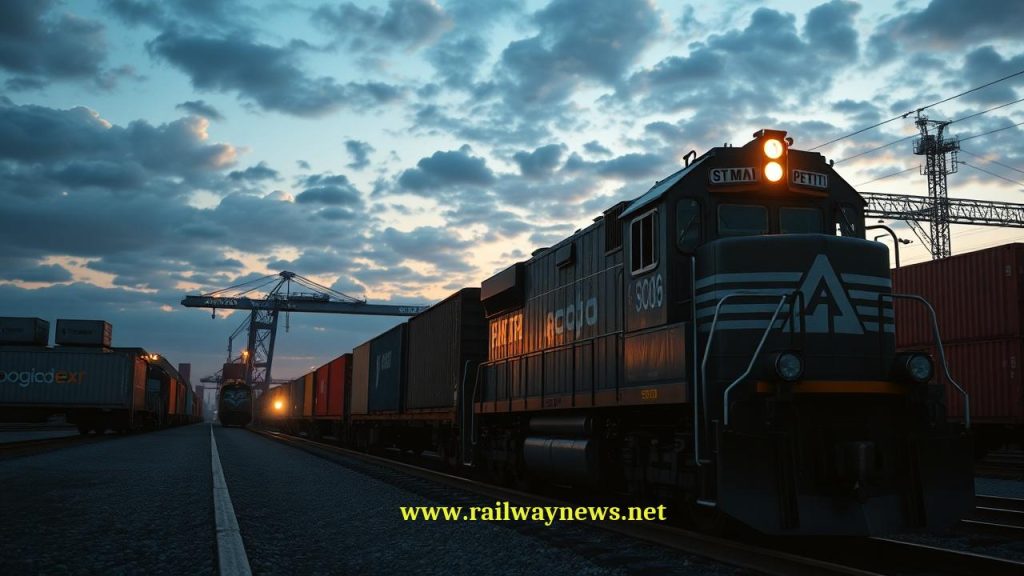
WASHINGTON, D.C. — U.S. freight railroads concluded 2025 with a modest year-over-year traffic increase, driven by a significant surge in carload volumes for industrial and automotive goods that successfully counteracted a slight decline in intermodal traffic. For the final full week of the year ending December 27, 2025, total rail traffic climbed 0.7%, signaling resilience in core economic sectors even as the broader logistics landscape showed signs of volatility with rising trucking spot rates.
| Category | Details |
|---|---|
| Reporting Period | Week Ending December 27, 2025 |
| Total U.S. Rail Traffic | 392,295 carloads & intermodal units (+0.7% YoY) |
| Top Carload Performer | Motor Vehicles & Parts (+21.9% YoY) |
| U.S. Intermodal Volume | 203,622 containers & trailers (-1.0% YoY) |
| Comparative Trucking Rate (Dry Van) | $2.48/mile (Increased 6.5 cents in Week 51) |
Main Body:
According to the latest data released by the Association of American Railroads (AAR), U.S. railroads moved a combined 392,295 carloads and intermodal units during the holiday week. This performance represents a 0.7% increase compared to the same period in 2024. The growth was entirely attributable to a robust 2.5% rise in total carloads, which reached 188,673 units. In contrast, intermodal volume, which consists of shipping containers and trailers, experienced a 1.0% dip, falling to 203,622 units.
A closer look at the carload data reveals significant strength in key industrial segments. Six of the ten commodity groups tracked by the AAR posted year-over-year gains. Leading the charge was motor vehicles and parts, which soared an impressive 21.9% to 9,910 carloads, indicating sustained momentum in automotive manufacturing. Coal traffic also showed remarkable strength, climbing 9.9% to 55,823 carloads, while grain shipments increased by a healthy 5.6% to 20,579 carloads. However, not all sectors shared in the growth; chemicals traffic declined by 7.1% to 28,533 carloads, and forest products fell 6.3% to 6,750 units.
The slight downturn in U.S. rail intermodal traffic occurred within a dynamic and competitive freight market. During the same period, the trucking industry saw a seasonal surge in spot market rates for dry van and refrigerated hauls, which rose to $2.48 and $2.92 per mile, respectively. This rate increase happened despite a reported 59.3% week-over-week drop in dry van load counts, suggesting tight capacity during the holiday season may have prompted some shippers to favor trucking for its speed, even at a premium. Meanwhile, North American rail performance was varied. Canadian railroads reported a 7% decrease in carloads but a 4.9% increase in intermodal units, while Mexican railroads saw a 12.9% drop in carloads but a 5.4% rise in intermodal traffic.
Key Takeaways
- Carload Strength Drives Growth: A 2.5% increase in carload traffic, led by a nearly 22% surge in automotive shipments, was the primary driver of the positive year-end result for U.S. railroads.
- Intermodal Faces Headwinds: The 1.0% dip in intermodal volumes suggests a softer market for consumer goods or heightened competition from the trucking sector, where spot rates climbed during the holiday peak.
- Mixed North American Picture: While U.S. rails saw overall growth, Canadian and Mexican railroads reported significant declines in their carload business, highlighting differing economic conditions across the continent.
Editor’s Analysis
The year-end rail traffic data paints a picture of a bifurcated U.S. economy. The strength in carloads—particularly in autos, coal, and grain—points to a resilient industrial and manufacturing core. This is a positive economic bellwether heading into 2026. Conversely, the softness in intermodal traffic, which is more closely tied to consumer goods and international trade, is a metric to watch. It could reflect shippers prioritizing speed over cost in the final holiday push by opting for trucks, or it may be an early warning of cooling import demand. The broader context of a strong labor market, with falling unemployment claims, should support consumer spending, but operational challenges, such as a severe flu season reportedly causing the highest hospitalization levels in 20 years, could pose significant labor and supply chain risks for the entire logistics sector in the first quarter of 2026.
Frequently Asked Questions
- What was the overall trend for U.S. rail freight at the end of 2025?
- Overall U.S. rail freight traffic increased by 0.7% in the week ending December 27, 2025, compared to the previous year. This growth was driven by a 2.5% increase in carloads, which offset a 1.0% decline in intermodal units.
- Which commodity sectors saw the largest growth in rail transport?
- The motor vehicles and parts sector was the standout performer, with a massive 21.9% increase in carloads. Coal (+9.9%) and grain (+5.6%) also posted strong gains, indicating health in the manufacturing, energy, and agricultural sectors.
- How did the rail intermodal market compare to trucking during this period?
- Rail intermodal volumes fell by 1.0%, while the trucking spot market experienced a seasonal rate increase for key segments like dry van and refrigerated freight. This suggests that despite higher costs, some freight may have shifted to trucks to meet holiday deadlines, highlighting the competitive dynamics between the two modes.

Railway infrastructure, rolling stock and transport technologies specialist focused on global rail industry developments, high-speed rail systems, signaling technologies and freight transportation. Covering railway investments, public transport modernization, rail operations and international mobility projects across Europe, Asia and North America.
RELATED POSTS

October 1, 2026 7:09 am
United States regulators confirmed a September 30 deadline for the...

October 8, 2026 1:15 pm
Alstom secured a €1bn contract to build 13 automated trains,...

October 4, 2026 5:14 pm
Alstom secured a CA$4.7 billion order from VIA Rail Canada...

October 1, 2026 12:13 am
Illinois approved $1.5 billion annually for the Northern Illinois Transit...

October 6, 2026 2:14 am
Union Pacific launched export rail shipments with Ferromex to deliver...

October 1, 2026 6:10 am
Amtrak approved a System Expansion Committee on July 30 to...