
Warsaw Tram Expansion: Infrastructure & Connectivity in Lower Mokotów
Warsaw’s tram network expands, connecting Lower Mokotów to Central Station. New Stegny route opens, boosting urban mobility.
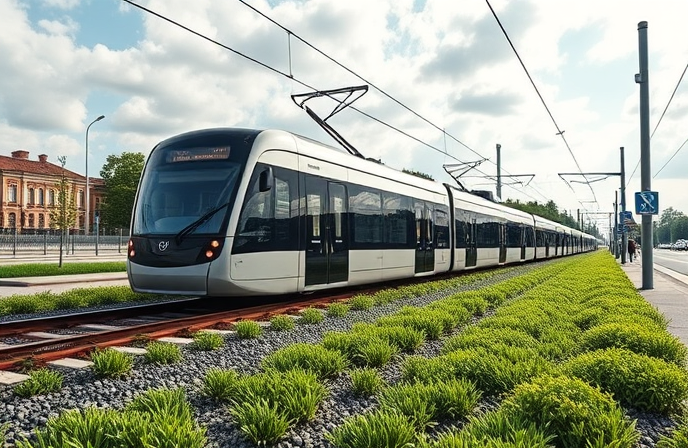
Warsaw Expands Tram Network, Enhancing Connectivity to Lower Mokotów
Warsaw’s public transport network has welcomed a significant upgrade with the opening of the new Stegny tram route, providing enhanced connectivity for residents of the Lower Mokotów district. The inaugural journey on line No. 19 commenced recently, offering direct access to the Central Railway Station and Jana Pawła II Avenue. This project, unveiled on [insert date of opening – implied], represents a commitment to bolstering urban mobility. The new tram line, stretching approximately 800 meters or 1.8 km of single track, is a strategic extension of the Wilanów tram route. This article will explore the key features of this expansion, examine the technical advancements involved, and analyze the benefits for Warsaw’s commuters and the overall rail network.
New Infrastructure Boosts Capacity
The Stegny tram route’s construction introduced key infrastructural improvements. The project involved the construction of a full track junction at the intersection of Sobieskiego and św. Bonifacego streets, enhancing operational flexibility. The new tracks are laid in a dedicated central reservation along św. Bonifacego Street, separated from the road carriageways. A noteworthy aspect of the design is the integration of sedum plants covering a significant portion of the track bed. This green infrastructure initiative not only adds an aesthetic dimension but also contributes to environmental sustainability by absorbing rainwater and reducing the urban heat island effect.
Seamless Integration with Existing Transport Hubs
The new section terminates at a two-track tram and bus terminus, facilitating efficient passenger transfers. Bus stops are conveniently situated adjacent to the tram platforms, promoting integrated transport. Additionally, shared stops are planned, streamlining the overall transit experience. A turnout has been constructed to allow for potential future expansion of the tram line. This meticulous planning underlines Warsaw’s long-term vision for public transport development, emphasizing the importance of interconnectivity and scalability.
Route 19: Connecting Stegny to the City Centre and Beyond
The operational commencement of line No. 19 marks a pivotal moment. The route originates in Stegny, offering a direct link to the Central Railway Station. From there, the tram proceeds along its usual path towards the Nowe Bemowo terminus. To provide convenient links during ongoing track works on Młynarska Street, trams are running on an extended route to the Koło terminus via Powstańców Śląskich, Radiowa and Dywizjonu 303. This temporary measure underscores the adaptability of the Warsaw tram network. According to Warsaw Mayor Rafał Trzaskowski, the journey from Stegny to the Central Station is expected to take approximately 20 minutes, underscoring the efficiency gains for commuters.
Enhanced Network Flexibility and Future Prospects
The Stegny tram route is an extension of the main line to Miasteczko Wilanów, operational since the previous year. This project has provided rail-based urban transport to the Stegny district. This expansion also enhances the overall flexibility of the Warsaw tram network, allowing for alternative routing and reducing reliance on individual lines. Additionally, the provision for future expansion reflects a forward-thinking approach, readying the infrastructure for increased demand and further network growth.
Conclusion
The opening of the Stegny tram route represents a significant advance in Warsaw’s public transportation infrastructure. This expansion has enhanced connectivity for residents of the Lower Mokotów district, offering a direct connection to key transport hubs. The incorporation of sustainable features like sedum-covered tracks alongside improved passenger interchange facilities demonstrates a commitment to both environmental responsibility and passenger convenience. The temporary extension to Koło further illustrates the flexibility of the network in adapting to ongoing infrastructure projects. The implementation reflects a broader trend across Europe towards bolstering urban rail systems, driven by environmental concerns and a need to accommodate expanding urban populations. Looking ahead, the success of this project will inform future transport investments within the region, potentially paving the way for further extensions and enhancements to the Warsaw tram network. This strategic focus on infrastructure development is pivotal to Warsaw’s continued growth and is of interest to railway professionals across Europe.

Railway infrastructure, rolling stock and transport technologies specialist focused on global rail industry developments, high-speed rail systems, signaling technologies and freight transportation. Covering railway investments, public transport modernization, rail operations and international mobility projects across Europe, Asia and North America.
RELATED POSTS

October 8, 2026 1:15 pm
Alstom secured a €1bn contract to build 13 automated trains,...

October 1, 2026 7:09 am
United States regulators confirmed a September 30 deadline for the...

October 4, 2026 5:14 pm
Alstom secured a CA$4.7 billion order from VIA Rail Canada...

October 5, 2026 6:12 pm
AECOM and Jacobs secured a contract in September 2026 to...

October 1, 2026 12:13 am
Illinois approved $1.5 billion annually for the Northern Illinois Transit...

October 4, 2026 11:08 pm
Sound Transit confirmed the September 30 opening of Seattle Pinehurst...