
Tshiuetin Railway: 2026 Construction Update & Route Map
Canada’s Tshiuetin Railway undergoes a major modernization, boosting safety, efficiency, and connectivity for three First Nations. This railway project includes infrastructure upgrades and new, tech-enabled rolling stock.
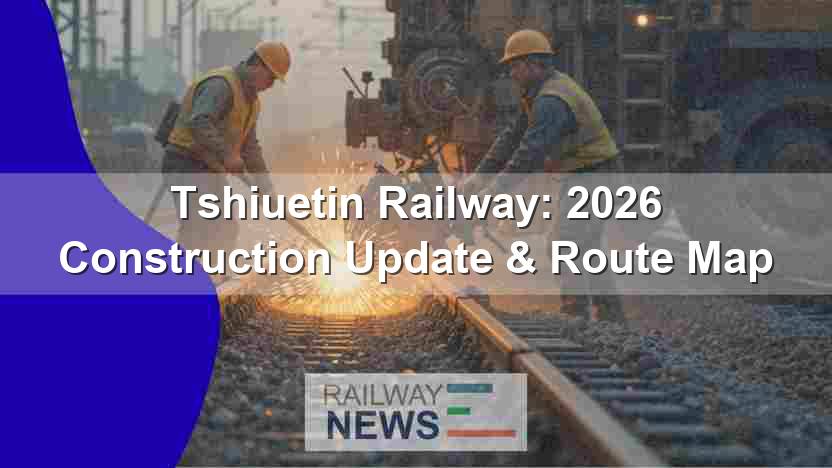
The Tshiuetin Railway Modernisation Project is a detailed infrastructure renewal initiative for the 217 km rail corridor connecting Emeril, Labrador, and Schefferville, Quebec. Owned and operated by a partnership of three First Nations, the project focuses on enhancing operational safety, efficiency, and passenger service through targeted track upgrades, rolling stock replacement, and the integration of modern communication technologies. This initiative represents a critical investment in the sole land transport link for the region, aiming to secure its long-term viability and foster socioeconomic development.
| Attribute | Details |
|---|---|
| Project Name | Tshiuetin Railway Modernisation Project |
| Location | Corridor between Emeril, Labrador, and Schefferville, Quebec, Canada |
| Length | 217 km (owned track); 574 km (total passenger service route) |
| Top Speed | Not specified; upgrades focus on safety, reliability, and efficiency rather than speed increases. |
| Estimated Cost | Over C$55 million in initial loan-based capital investment. |
| Status (Nov 2025) | Under Construction |
| Key Partners & Stakeholders | Tshiuetin Rail Transportation (Owner/Operator), SYSTRA Canada (Technical Studies), Canadian Infrastructure Bank (Financier), Government of Quebec (Financier), Transport Canada (Funder) |
Technical Specifications
The core of the project involves extensive infrastructure and systems upgrades. Track modifications include rail and tie replacement, ballast reinforcement, and geometric adjustments to improve stability and reduce operational disruptions along the 217 km route. A key civil engineering component is the construction of a new, modern passenger station and a dedicated worker housing camp to support expanded maintenance and operational crews. The project’s rolling stock renewal is centered on the acquisition of new fuel-efficient locomotives, significantly reducing greenhouse gas emissions and operational costs. The new passenger cars are equipped with advanced control systems and, critically, integrated Long Term Evolution (LTE) communication hardware. This technological upgrade provides a platform for reliable in-train Wi-Fi and enhances operational communication and safety systems in a region with limited connectivity.
Key Takeaways
- First Nations-Led Infrastructure: The project is a leading example of an Indigenous-owned and operated major infrastructure initiative, directly addressing historical inequities and building long-term economic self-sufficiency for the Innu Nation of Matimekush-Lac John, the Naskapi Nation of Kawawachikamach, and the Innu Takuaikan Uashat Mak Mani-Utenam.
- Bridging the Digital Divide: By integrating LTE connectivity into its rolling stock, the railway is not just a transportation link but is becoming a vital digital corridor, providing internet access to passengers and improving operational logistics in a remote area.
- Collaborative Financial Model: The project’s viability is secured through a multi-layered partnership between the Canadian Infrastructure Bank (C$50m loan), the Quebec Government (C$5m loan), and ongoing operational subsidies from Transport Canada, creating a sustainable model for remote infrastructure development.
Frequently Asked Questions (FAQ)
When will the Tshiuetin Railway modernization be complete?
The modernization is a multi-phase project. While initial upgrades to rolling stock and communications are underway, the full scope of infrastructure work, including track and station construction, is expected to see phased completion through 2026 and 2027.
Who is funding the Tshiuetin Railway project?
The project is funded through a collaborative financial framework. Key contributors include a C$50 million long-term loan from the Canadian Infrastructure Bank, a C$5 million loan from the Government of Quebec, and annual operational and capital subsidies from Transport Canada.

Railway infrastructure, rolling stock and transport technologies specialist focused on global rail industry developments, high-speed rail systems, signaling technologies and freight transportation. Covering railway investments, public transport modernization, rail operations and international mobility projects across Europe, Asia and North America.