
Tri-Rail Funding Challenges: South Florida Rail Ridership & Future
Tri-Rail hits record ridership in South Florida but faces budget cuts. Funding woes threaten future service.
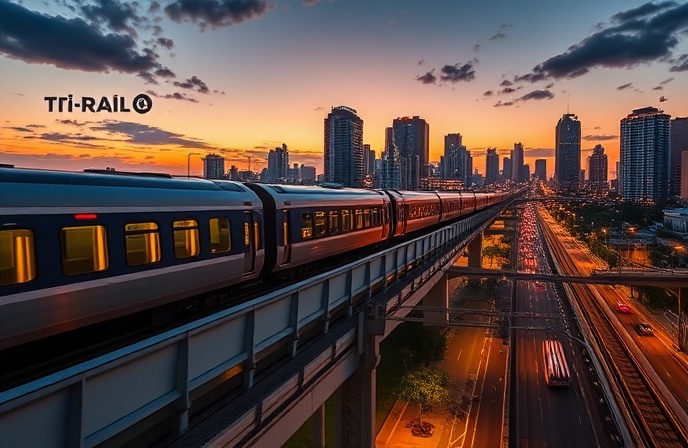
Tri-Rail Achieves Record Ridership, Navigates Funding Challenges
South Florida’s commuter rail service, Tri-Rail, has hit a new milestone, but dark clouds are forming on the horizon. The South Florida Regional Transportation Authority (SFRTA) announced a record-breaking 4,578,680 rides for Fiscal Year 2025 (July 2024 – June 2025), surpassing the previous high of 4,465,750 rides set in FY2019. This achievement positions Tri-Rail as a leader in ridership recovery, ranking fourth overall among 31 U.S. commuter railroads, according to a recent report by the U.S. Government Accountability Office (GAO). The positive news, however, is tempered by impending financial instability stemming from budget cuts. This article examines Tri-Rail’s ridership success, its resurgence, and the critical funding challenges that threaten its future. We will analyze the financial pressures facing the rail service and explore the efforts to secure a sustainable future for this vital transportation link.
Record-Breaking Ridership: A Sign of Recovery
Tri-Rail’s impressive ridership figures are a testament to its post-pandemic recovery and its continued importance to the South Florida transportation network. The service’s ability to attract riders indicates growing demand for public transit, particularly as fuel prices and traffic congestion remain persistent issues. In February 2024, Tri-Rail successfully returned to its pre-pandemic ridership benchmarks, averaging approximately 15,000 weekday and 7,000 weekend rides. This demonstrates the reliability and appeal of the rail service to commuters and leisure travelers alike. The increased ridership reflects not only the easing of pandemic-related restrictions but also potentially the positive effects of service enhancements and strategic marketing initiatives.
Post-Pandemic Performance and National Rankings
The GAO report, which placed Tri-Rail fourth in post-pandemic recovery among 31 commuter railroads, highlights the service’s resilience and effectiveness in attracting riders back to its services. This ranking, based on a complex formula of metrics, is an important indicator of the service’s financial stability. Tri-Rail’s success in regaining ridership can be attributed to several factors, including consistent service reliability, the convenience of its station locations, and the continued growth of the South Florida region. These positive numbers underscore the necessity of a consistent revenue stream to ensure uninterrupted operations and future service upgrades.
Funding Cuts and Financial Outlook
Despite its operational successes, Tri-Rail faces significant financial headwinds. The Florida state budget for the current fiscal year included budget cuts that directly impact Tri-Rail’s operations. These reductions in funding place the long-term sustainability of the service at risk. SFRTA officials have expressed concern about these cuts, as they forecast that the system currently has sufficient funds to operate only through July 2027. The financial shortfall has the potential to lead to service reductions, fare increases, or other measures that could negatively impact ridership and the broader community. The long-term implications are considerable, as any disruption to service could affect economic growth and transportation access for numerous residents.
Seeking Solutions: Advocacy and Negotiations
The SFRTA’s governing board and executive team are actively working with state and county government officials to find a long-term funding solution to mitigate the impact of the budget cuts. These efforts involve advocacy for increased funding, exploring alternative revenue streams, and potentially restructuring operational efficiencies. The negotiations with state and local officials are crucial to securing the financial stability of Tri-Rail. The outcome of these discussions will determine the future of the service and its ability to meet the transportation needs of South Florida residents. Successfully navigating these financial challenges is essential to maintaining and improving Tri-Rail’s service in the years to come.
Conclusion
Tri-Rail’s achievement of record ridership is a significant accomplishment, demonstrating the value of the service and the renewed interest in public transit in South Florida. The impressive ridership figures show post-pandemic growth, illustrating the rail’s vital role in the local transport landscape. However, the financial challenges created by state budget cuts present a serious threat to the system’s long-term viability. The ability of SFRTA officials to secure sustainable funding is critical, requiring a proactive approach to advocacy and negotiations. The industry is closely watching the outcomes, and it will significantly impact rail transport in South Florida. The focus must remain on preserving and growing Tri-Rail’s role in connecting communities. Failure to secure a stable financial foundation may force difficult choices that would limit the service’s capacity to serve its riders and the region effectively. The future of Tri-Rail hinges on a successful resolution to these challenges and the continued commitment to its operations.

Railway infrastructure, rolling stock and transport technologies specialist focused on global rail industry developments, high-speed rail systems, signaling technologies and freight transportation. Covering railway investments, public transport modernization, rail operations and international mobility projects across Europe, Asia and North America.
RELATED POSTS

October 1, 2026 7:09 am
United States regulators confirmed a September 30 deadline for the...

October 8, 2026 1:15 pm
Alstom secured a €1bn contract to build 13 automated trains,...

October 4, 2026 5:14 pm
Alstom secured a CA$4.7 billion order from VIA Rail Canada...

October 1, 2026 12:13 am
Illinois approved $1.5 billion annually for the Northern Illinois Transit...

October 6, 2026 2:14 am
Union Pacific launched export rail shipments with Ferromex to deliver...

October 1, 2026 6:10 am
Amtrak approved a System Expansion Committee on July 30 to...