
Transport for Wales Launches 36 Tram-Trains This Summer
Transport for Wales puts 36 new Stadler Citylink tram-trains in service this summer on Cardiff Bay route, with 15-minute frequencies and 50-minute valley runs.
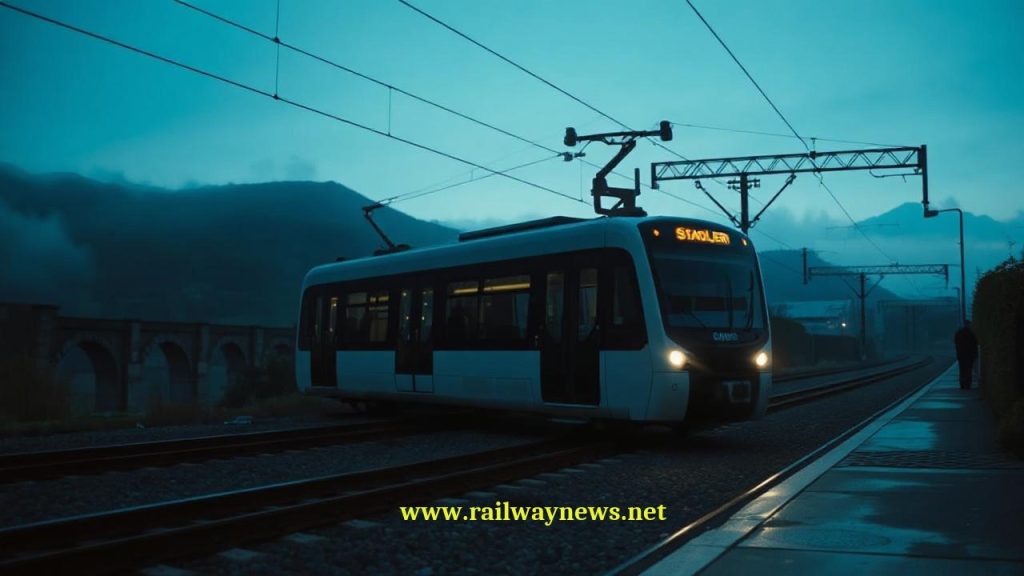
⚡ In Brief: Transport for Wales is preparing to introduce 36 electric Stadler Citylink tram-trains on the Pontypridd–Cardiff Bay corridor this summer, enabling 50‑minute valley journeys and 15‑minute frequencies under the South Wales Metro.
Cardiff, Wales – Transport for Wales has entered final testing and crew training for a fleet of 36 Stadler Citylink tram-trains, with the first vehicles due to begin revenue service on the Pontypridd–Cardiff Bay route this summer. The fully electric three‑car units replace diesel Class 150 trains and will deliver the South Wales Metro’s core commitments of 15‑minute headways and travel times of approximately 50 minutes between Cardiff and Treherbert, Aberdare, and Merthyr. Station restroom upgrades are also being accelerated to compensate for the vehicles’ absence of onboard toilets.
What Is the Full Scope of This Project?
The deployment encompasses 36 new tram‑trains, infrastructure works already completed for higher speeds and improved frequency, and a phased timetable transformation across three valley lines. Each Citylink vehicle provides level boarding, an open interior, and enhanced wheelchair and bicycle space. To maintain passenger amenity without on‑board restrooms, TfW is building nine new accessible station toilets and modernising five existing facilities along the Treherbert, Aberdare, and Merthyr routes, with CCTV, live help points, and remote door‑locking to reduce antisocial behaviour. The vehicles can also operate on light‑rail track, a capability that underpins the future Cardiff Crossrail scheme. A total fleet cost was not disclosed.
Key Project Data
| Parameter | Value |
|---|---|
| Project / Contract Name | South Wales Metro – Tram-Train Fleet Introduction |
| Total Value | Not disclosed |
| Parties Involved | Transport for Wales (operator), Stadler (train supplier), Welsh Government (funder) |
| Timeline / Completion | First passenger service: summer (year not stated); phased fleet introduction; nine station restrooms nearing completion |
| Country / Corridor | Wales – Pontypridd to Cardiff Bay, plus Merthyr, Aberdare and Treherbert valley lines |
How Does This Compare to Similar Projects?
TfW’s order of 36 Stadler Citylink units is over five times larger than the UK’s first tram‑train pilot in South Yorkshire, which deployed seven Class 399 Citylink vehicles (Source: SYPTE, 2018). While that pilot proved combined heavy‑ and light‑rail operation, the Welsh fleet is designed from the outset to support a turn‑up‑and‑go metro frequency with eventual on‑street running for Cardiff Crossrail. The push for tram‑train capability sits within a broader UK surge in urban rail investment. In 2025, the Chancellor announced five‑year funding agreements totalling £15.6 billion for England’s mayoral combined authorities, including a feasibility study for the Tyne & Wear Metro extension to Washington and studies for reopening the Leamside Line (Source: HM Treasury, 2025). These programmes signal a national momentum for high‑frequency, electrified city‑region networks, though Wales operates under its own devolved funding arrangements and has not released comparable cost figures.
Editor’s Analysis
The initial launch on the Pontypridd–Cardiff Bay corridor will test the operational readiness of the fleet and the upgraded infrastructure, but the full promise of 15‑minute valley services will depend on the timing of subsequent phases. TfW’s decision to procure a large tram‑train fleet rather than conventional electric multiple units directly enables phase‑by‑phase extension onto light‑rail alignments, making the Cardiff Crossrail a practical follow‑on investment rather than a separate project. The UK Government’s £15.6 billion devolved transport settlement for English mayoral authorities illustrates that cities are increasingly betting on tram‑train‑style solutions to bridge heavy rail and street‑level transit; Wales’s early mover scale may serve as a reference for future metros that seek to maximise existing rail corridors.
FAQ
Q: When will the first tram‑trains carry passengers?
A: The first vehicles are scheduled to enter revenue service on the Pontypridd–Cardiff Bay line this summer; exact year was not stated in the TfW announcement but crew training and daily testing are now underway.
Q: What amenities will the new trains offer?
A: The Stadler Citylink units provide level boarding, open‑plan interiors, and dedicated spaces for wheelchairs and bicycles. There are no toilets on board, but TfW is installing accessible restrooms at nine stations and upgrading five others so that passengers will never be more than 20 minutes from a facility during their journey.
Q: How does the fleet size compare with other UK tram‑train schemes?
A: TfW’s fleet of 36 vehicles is substantially larger than the seven‑unit South Yorkshire tram‑train pilot and, unlike that pilot, is designed for eventual on‑street light‑rail operation as part of the Cardiff Crossrail project.
Q: What is the total cost of the tram‑train programme?
A: The overall capital cost for the fleet and associated station works has not been publicly disclosed by Transport for Wales.
Note: Independent verification of the total project value and exact launch year was not available at time of publication.

Railway industry analyst and transport media specialist focused on railway infrastructure, rolling stock, signaling systems and global mobility developments. Covering high-speed rail projects, railway modernization, freight transportation and smart rail technologies across international markets.With a strong interest in transport innovation and sustainable mobility, he follows major railway investments, urban transit expansion projects and next-generation rail technologies shaping the future of transportation.His editorial approach combines industry-focused reporting with accessible technical analysis, delivering clear and reliable insights for railway professionals, transport stakeholders and rail enthusiasts worldwide.
RELATED POSTS

October 8, 2026 1:15 pm
Alstom secured a €1bn contract to build 13 automated trains,...

October 1, 2026 7:09 am
United States regulators confirmed a September 30 deadline for the...

October 8, 2026 12:18 pm
Siemens Mobility signed an agreement with VinSpeed to supply 350...

October 4, 2026 5:14 pm
Alstom secured a CA$4.7 billion order from VIA Rail Canada...

October 5, 2026 6:12 pm
AECOM and Jacobs secured a contract in September 2026 to...

October 1, 2026 12:13 am
Illinois approved $1.5 billion annually for the Northern Illinois Transit...