
Transpennine Route Upgrade: UK Rail Electrification Milestone
Transpennine Route Upgrade: First electric passenger train runs York-Church Fenton (3 Aug 2025), electrifying 25% of route. Targets 108,000t CO₂ cut yearly, 40% by 2027, full completion by 2030.
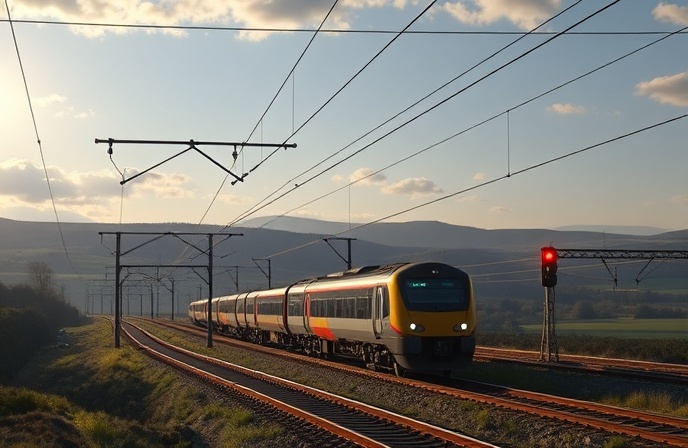
The North of England’s rail network is undergoing a transformative upgrade, and a significant stride has been made. On August 3rd, 2025, the Transpennine Route Upgrade (TRU) marked a pivotal moment with the inaugural electric passenger train operating between York (Colton Junction) and Church Fenton. This event, electrifying 25% of the 70-mile main line, signals a new era of efficiency and sustainability for the region’s rail services. This article will explore the implications of this advancement, detailing the project’s progress, the technologies involved, and the anticipated benefits for passengers and the environment. It provides a detailed view of this major initiative, covering its current achievements, future plans, and long-term impact on the UK railway network.
A Greener Future: Electrification Between York and Church Fenton
The completion of electrification between York and Church Fenton, part of the wider Leeds to York section, represents a crucial step in the TRU programme. This phase of the project, completed on budget and ahead of schedule in certain areas, underscores the TRU team’s commitment to timely and efficient delivery. The utilisation of this newly electrified section was highlighted by the presence of Secretary of State for Transport Heidi Alexander, who travelled on a TransPennine Express bi-mode train from Leeds to York on August 5th. This journey showcased the advancements made over five years of intensive planning and construction. The use of electric trains on this section contributes significantly to reducing carbon emissions and fostering a more sustainable transport solution.
Technological Integration and Operational Benefits
The introduction of electric services offers immediate advantages. TransPennine Express (TPE) is now able to utilise the electric wires for its Nova 1 bi-mode trains, which will provide “greener journeys” to its customers. The use of electric trains will significantly lower the environmental impact of rail travel by reducing emissions and reliance on diesel engines. Additionally, the TRU project aims to enhance service reliability, reduce journey times, and increase capacity on the route. This is being achieved through infrastructure upgrades, signalling improvements, and the implementation of advanced train control systems. James Richardson, Managing Director of the TRU, emphasizes that these improvements are already generating “economic and social benefits” for the region.
Strategic Milestones and Future Targets
This milestone follows the earlier achievement in 2024 when electric services commenced between Manchester Victoria and Stalybridge. The TRU program aims to electrify 40% of the Transpennine route by the summer of 2027, with full electrification scheduled for completion by early 2030. This ambitious plan aligns with the UK government’s commitment to decarbonizing the transport sector. Once fully operational, the TRU project is projected to cut carbon emissions by up to 108,000 tonnes annually. The upgrade will also facilitate a substantial increase in rail freight capacity, potentially removing over 1,000 lorries from roads daily, and thus mitigating traffic congestion and enhancing road safety.
Industry Perspectives and Collaborative Efforts
The TRU project reflects a collaborative effort involving multiple stakeholders across the railway industry. Chris Nutton, Major Projects & TRU Director at TransPennine Express, highlights how the new infrastructure will enhance customer experience. Rob Warnes, Strategic Development Director for Northern, acknowledges the significance of the improvements in bringing “faster, greener, and more reliable journeys” to passengers. These endorsements highlight the shared commitment to delivering a modernized and sustainable railway system. The project exemplifies how different entities are working in unison to improve the efficiency of the rail network across the north.
Conclusion
The recent electrification milestone between York and Church Fenton is a major achievement for the Transpennine Route Upgrade. This project underscores the ongoing efforts to modernize the railway system across the North of England, offering passengers and freight operators a more sustainable and efficient mode of transport. The initiative not only reduces carbon emissions but also improves journey times and reliability, contributing significantly to the UK’s green transport goals. The collaborative approach of the project, involving multiple rail operators and government bodies, showcases a successful model for large-scale infrastructure programs. With further electrification phases planned, and with all works planned to be completed by 2030, the TRU program is poised to transform rail travel. The project will enhance regional connectivity and promote economic growth. The success of the Transpennine Route Upgrade provides a roadmap for other infrastructure projects in the railway sector, demonstrating the potential for sustainable development and integrated transport solutions.

Transport and railway industry editor covering global rail infrastructure, sustainable mobility, urban transit systems and next-generation railway technologies with a focus on accessible and industry-focused reporting.
RELATED POSTS

October 8, 2026 1:15 pm
Alstom secured a €1bn contract to build 13 automated trains,...

October 1, 2026 7:09 am
United States regulators confirmed a September 30 deadline for the...

October 4, 2026 5:14 pm
Alstom secured a CA$4.7 billion order from VIA Rail Canada...

October 1, 2026 12:13 am
Illinois approved $1.5 billion annually for the Northern Illinois Transit...

October 5, 2026 6:12 pm
AECOM and Jacobs secured a contract in September 2026 to...

October 4, 2026 11:08 pm
Sound Transit confirmed the September 30 opening of Seattle Pinehurst...