
Siemens Oslo Metro: Signaling Upgrade for Diakonhjemmet Station
Siemens wins Oslo Metro signaling contract, upgrading Diakonhjemmet Station for improved public transport.
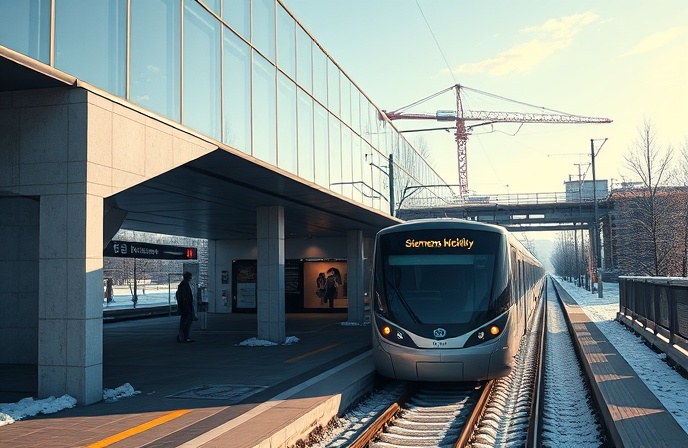
Siemens Mobility Awarded Oslo Metro Signaling Contract for Diakonhjemmet Station
Oslo, Norway – Siemens Mobility Norway has been awarded a contract by Sporveien, Oslo’s public transport operator, to supply a signaling and train control system for the new Diakonhjemmet Station on the Oslo Metro network. The contract, signed on July 4th, 2025, marks a significant step in the city’s urban development project. The new station, expected to open by late December 2027, will be a crucial component of an accessible public transport hub. This project focuses on how Siemens Mobility’s advanced signaling technology, specifically the new interlocking system, is critical for seamless integration with future Communications-Based Train Control (CBTC) operations and enhances the overall efficiency and accessibility of Oslo’s public transport network.
Enhanced Signaling Infrastructure
The core of the project involves the installation of a new interlocking system by Siemens Mobility. This system, located in a technical room adjacent to the eastbound platform, will manage the routing of trains and ensure safe movement throughout the station. The interlocking system is the brain of the station’s signaling system, controlling signals, switches, and other trackside equipment. This upgrade is essential for the addition of new platforms and track realignment at Diakonhjemmet Station. The existing operations centre in Tøyen will also undergo updates to accommodate the changes and ensure seamless integration with the new station’s signaling infrastructure. The project also involves updating the existing train control systems and connecting to existing services. These upgrades will enable the station to function as a central transport hub for the developing urban area.
CBTC Integration and Technological Advancements
A critical aspect of the project is the integration with CBTC operations at the nearby Majorstua station, scheduled for implementation in August 2027. The Diakonhjemmet Station will serve as a transition point for the CBTC interface. CBTC is a sophisticated train control system that uses continuous, automated communication between the train and wayside equipment to optimize train movements, increase capacity, and improve safety. The new interlocking system’s compatibility with CBTC is paramount for ensuring smooth and efficient train operations across the network. This project highlights Siemens Mobility’s commitment to leading-edge technology that improves mobility and promotes sustainable urban development.
Station Design and Urban Development Impact
Diakonhjemmet Station is more than just a transport facility; it’s an integral part of a broader urban development project. The Norwegian Diakonhjemmet is overseeing the area’s development, with Sporveien responsible for the new station’s construction. Situated between the existing Steinerud and Frøen stations along the Holmenkollbanen line, the station will feature side platforms and a pedestrian bridge connecting Slemdalsveien with the proposed Diakonhjemmet Square. The new station is designed to replace the current Frøen and Steinerud stations, creating a central transport hub that supports the area’s urban growth. This project is designed to create a public transport hub that is “universally accessible”
Operational and Environmental Benefits
By implementing this new signaling system, the Oslo Metro can expect various operational benefits, including improved train frequency, reduced delays, and enhanced safety. The modernization also contributes to the city’s sustainability goals by encouraging public transport usage and reducing reliance on private vehicles. This project will improve the experience for people by allowing for safer and easier access to transport. The enhanced signaling system will improve the overall efficiency of the transport network.
Conclusion
Siemens Mobility’s contract for the Diakonhjemmet Station signaling and train control system exemplifies the crucial role of advanced technology in modernizing urban transit networks. The project’s success hinges on the seamless integration of the new interlocking system with existing infrastructure and, most importantly, with the upcoming CBTC operations at Majorstua. This ensures efficient and reliable operations across the Oslo Metro network. The station will provide a modern, efficient, and accessible transport hub that supports the city’s urban development. The Diakonhjemmet Station project underscores the industry-wide trend toward intelligent transportation solutions, contributing to the creation of smart cities and promoting environmentally sustainable urban development. The advancements in signaling technology will likely influence future infrastructure upgrades, setting a precedent for improving other metro systems to embrace these innovations. This project is an exciting move forward in the industry.
Company Summary: Siemens Mobility
Siemens Mobility is a leading provider of transportation solutions, encompassing rolling stock, infrastructure, and services. Its core competencies include signaling systems, railway automation, and electrification. Siemens Mobility helps transportation providers worldwide enhance mobility, optimize infrastructure, and create sustainable solutions that address current and future transportation challenges. Siemens Mobility’s expertise extends beyond the Diakonhjemmet project, providing essential railway solutions globally.

Railway infrastructure, rolling stock and transport technologies specialist focused on global rail industry developments, high-speed rail systems, signaling technologies and freight transportation. Covering railway investments, public transport modernization, rail operations and international mobility projects across Europe, Asia and North America.
RELATED POSTS

October 8, 2026 1:15 pm
Alstom secured a €1bn contract to build 13 automated trains,...

October 1, 2026 7:09 am
United States regulators confirmed a September 30 deadline for the...

October 4, 2026 5:14 pm
Alstom secured a CA$4.7 billion order from VIA Rail Canada...

October 1, 2026 12:13 am
Illinois approved $1.5 billion annually for the Northern Illinois Transit...

October 5, 2026 1:13 pm
New York MTA confirmed a late 2026 DEIS release for...

October 6, 2026 9:17 am
Illinois approved $1.1M in state funds to upgrade two McHenry...