
Stuttgart 21: Mega-Project Pitfalls & Lessons
The Stuttgart 21 project, a modern transportation hub replacing Stuttgart’s central station, highlights the multifaceted challenges of large-scale infrastructure development, including technical complexities, financial risks, political hurdles, and environmental concerns.
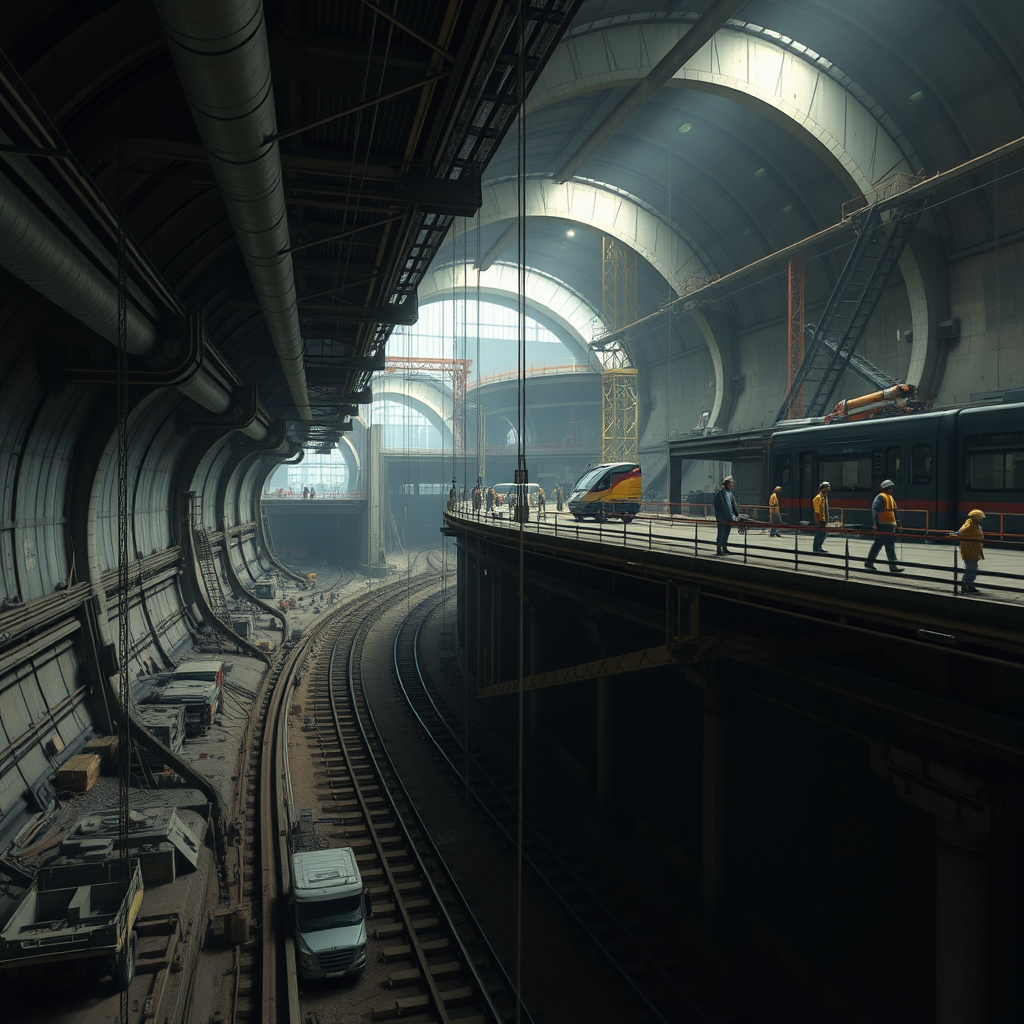
The Stuttgart 21 (S21) project, aiming to replace Stuttgart’s central station with a modern transportation hub, exemplifies the multifaceted challenges inherent in large-scale infrastructure development. Initiated in 1995, the project’s timeline has been plagued by delays, escalating costs, and significant public controversy. This article explores the various factors contributing to the S21 saga, examining the technical complexities, financial implications, political hurdles, and environmental concerns that have shaped its protracted development. By analyzing the Stuttgart 21 case, we can gain valuable insights into the critical planning, management, and risk mitigation strategies necessary for successful mega-project execution in the rail sector. The project, initially budgeted at €4.1 billion, now carries an estimated cost exceeding €11.45 billion, underscoring the substantial financial risks associated with underestimation and unforeseen complexities. Additionally, the project’s prolonged timeline, originally slated for completion decades ago, has significantly impacted the city’s development and transportation network, highlighting the societal and economic consequences of such delays.
Technical Complexities and Design Challenges
The sheer scale and complexity of the S21 project presented significant engineering challenges from the outset. The construction involved extensive underground work, including the creation of new tunnels and platforms, necessitating precise excavation and construction techniques to minimize disruption to existing infrastructure and the surrounding urban environment. The integration of various rail lines, including regional and long-distance services, demanded sophisticated signaling systems and operational planning. This intricate network of interconnected systems required meticulous coordination and testing to ensure seamless transitions and operational efficiency. Additionally, the incorporation of Intelligent Transportation Systems (ITS) aimed at optimizing train scheduling and passenger flow added another layer of complexity to the overall project management.
Financial Escalation and Contractual Disputes
The escalating costs of the S21 project are a major concern. The initial budget of €4.1 billion (approximately $4.8 billion USD) ballooned to an estimated €11.45 billion (approximately $12.36 billion USD). This dramatic increase is attributable to several factors: unforeseen geological challenges during excavation, changes in design specifications, and delays that resulted in increased labor and material costs. Additionally, legal disputes between Deutsche Bahn (DB) (German Railways) and its project partners contributed to the financial burden. Court rulings regarding contractual obligations and associated costs added to the overall project expenditure, highlighting the importance of robust contractual agreements and transparent risk allocation in mega-projects.
Political and Public Opposition
The S21 project faced considerable political and public opposition throughout its development. Concerns regarding environmental impact, particularly the potential effects on the groundwater table, led to protests and legal challenges. This opposition resulted in delays, design modifications, and additional costs associated with implementing mitigation measures. The lack of transparent communication and engagement with the public exacerbated the controversy, demonstrating the critical role of public consultation and stakeholder management in achieving project acceptance. The political landscape also played a role, with changing administrations and shifting priorities potentially influencing decision-making and funding allocations.
Environmental Considerations and Mitigation Strategies
Environmental concerns regarding the project’s impact on the Stuttgart valley’s groundwater system became a significant point of contention. Initial plans caused anxiety about potential disruption to the local water table, leading to extensive public protests. To address these concerns, DB implemented a sophisticated groundwater management system under the expanded station, adding to both the project’s budget and complexity. This underlines the importance of conducting thorough environmental impact assessments (EIAs) and proactively addressing environmental concerns in the initial planning stages of large-scale infrastructure projects. Failure to do so can lead to significant delays, increased costs, and damage to public trust.
Conclusions
The Stuttgart 21 project serves as a cautionary tale highlighting the numerous challenges associated with mega-infrastructure projects. The project’s prolonged timeline, escalating costs, and persistent public opposition underscore the critical need for meticulous planning, robust risk management, effective communication, and transparent stakeholder engagement. The technical complexity of integrating multiple rail systems, coupled with unforeseen geological challenges and contractual disputes, significantly impacted the project’s timeline and budget. The project’s history reveals the importance of detailed environmental impact assessments and proactive mitigation strategies to address public concerns and ensure long-term environmental sustainability. While the eventual opening of the new hub is expected in December 2026, even this remains uncertain, contingent upon securing future federal budgets. Lessons learned from the S21 experience should inform future large-scale infrastructure projects, emphasizing the necessity of realistic budgeting, robust risk assessment, clear communication, and the proactive engagement of all stakeholders throughout the entire project lifecycle. Failure to adopt these measures can lead to substantial cost overruns, significant delays, and irreparable damage to public trust, mirroring the experience of Stuttgart 21.

Railway infrastructure, rolling stock and transport technologies specialist focused on global rail industry developments, high-speed rail systems, signaling technologies and freight transportation. Covering railway investments, public transport modernization, rail operations and international mobility projects across Europe, Asia and North America.
RELATED POSTS

October 8, 2026 1:15 pm
Alstom secured a €1bn contract to build 13 automated trains,...

October 1, 2026 7:09 am
United States regulators confirmed a September 30 deadline for the...

October 8, 2026 12:18 pm
Siemens Mobility signed an agreement with VinSpeed to supply 350...

October 4, 2026 5:14 pm
Alstom secured a CA$4.7 billion order from VIA Rail Canada...

October 5, 2026 6:12 pm
AECOM and Jacobs secured a contract in September 2026 to...

October 4, 2026 11:08 pm
Sound Transit confirmed the September 30 opening of Seattle Pinehurst...