
Stadler’s TINA Tram: Revolutionizing Urban Transit
The article discusses how Stadler’s TINA Tram, a modern tramway technology designed for increased accessibility and passenger comfort, won a significant contract with Halle Verkehrs-AG in Germany, showcasing its innovative design and strategic importance within the urban transit market.
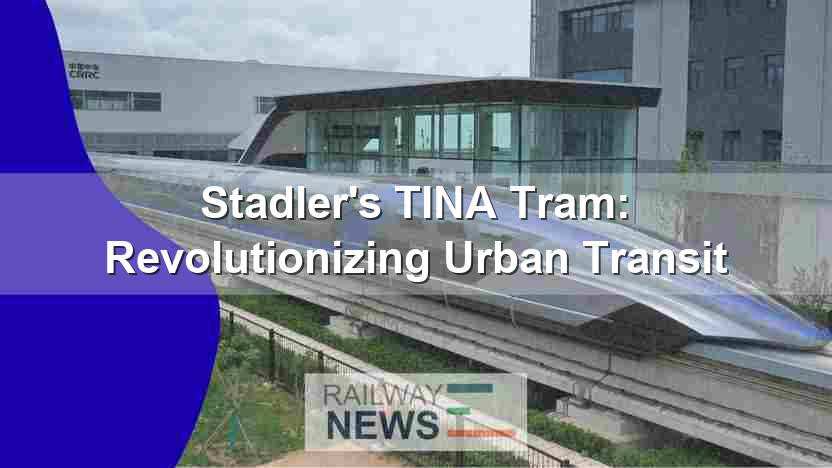
This article examines Stadler’s recent contract win for the supply of 56 TINA (Total Integrated Low-Floor Drive) trams to Hallesche Verkehrs-AG (HAVAG) in Halle, Germany. This significant order builds upon Stadler’s growing success with the TINA platform, highlighting its innovative design and technological advancements within the modern tramway sector. We will delve into the specifics of the TINA tram, exploring its technical features, the strategic implications of this contract for Stadler, and the broader context of its impact on the future of urban transit in Germany and beyond. The analysis will also consider the implications of this order for HAVAG’s existing fleet and network operations, examining the potential improvements in passenger capacity, safety, and overall efficiency. Finally, we will discuss the broader trends in the light rail vehicle market and how Stadler’s TINA tram contributes to these developments.
The TINA Tram: Design and Specifications
The TINA tram represents a significant step forward in low-floor tram technology. Stadler’s design prioritizes passenger comfort and accessibility, integrating all drive components into the low floor, maximizing usable passenger space. The order for HAVAG includes two bidirectional vehicle variants: a 30-meter MGT-M model with a capacity of 166 passengers (64 seated), and a 45-meter MGT-XL model accommodating 267 passengers (96 seated). This modular approach allows for flexibility in meeting the diverse operational needs of different transit systems. The incorporation of advanced features like a new collision warning system significantly enhances safety for both passengers and other road users. This focus on both capacity and safety addresses key challenges faced by modern urban transit networks.
Stadler’s Strategic Positioning and Market Success
The HAVAG contract marks Stadler’s fourth order for TINA trams, underscoring the platform’s market success. Previous orders from HEAG Mobilo in Darmstadt, BLT (Baselland Transport) in Switzerland, and Rostocker Straßenbahnen AG (RSAG) demonstrate the growing appeal of the TINA design. This repeated selection by diverse transit authorities points to a strong track record of reliability, efficiency, and passenger satisfaction. The TINA platform allows Stadler to leverage economies of scale while meeting the specific requirements of individual transit operators, further solidifying their position in the competitive rolling stock market.
Impact on HAVAG and Halle’s Transit Network
The integration of 56 new TINA trams will significantly modernize HAVAG’s fleet and improve service quality for Halle’s residents. The increased capacity and enhanced passenger comfort will contribute to a more efficient and attractive public transit system. The deployment of these modern, accessible vehicles aligns with broader sustainability initiatives by reducing reliance on private automobiles and improving air quality. Moreover, the advanced safety features contribute to a reduction in accidents and operational disruptions, leading to a more reliable and secure transit service.
The Future of Tram Technology and Stadler’s Role
The success of the TINA tram underscores several key trends in the modern light rail vehicle (LRV) market: a focus on low-floor designs for accessibility, increased passenger capacity for efficient transit, and the integration of advanced safety and technological features. Stadler’s commitment to innovation and adaptability positions the company favorably within this evolving landscape. The TINA tram’s design, with its modularity and adaptability to specific customer needs, showcases a future-oriented approach to LRV design, catering to the evolving demands of modern urban transit.
Conclusion
Stadler’s recent contract to supply HAVAG with 56 TINA trams exemplifies the growing success of this innovative low-floor tram design. The order underscores several significant trends in the modern tramway sector: a focus on high passenger capacity, enhanced accessibility, and the integration of advanced safety technologies. The TINA tram’s modular design, allowing for customization to meet specific operational requirements, contributes to its widespread appeal. The successful implementation of this order by HAVAG will showcase the positive impacts of the TINA trams on urban transit operations, leading to improved efficiency, passenger satisfaction, and overall sustainability. Stadler’s continued innovation and focus on customer needs have solidified their position as a leading provider in the light rail vehicle market. The TINA tram’s success represents not just a significant business win for Stadler, but also a step toward a more efficient, sustainable, and accessible future for urban transportation in Europe and beyond. The adaptability and success of the TINA platform will undoubtedly shape the design and functionality of future light rail vehicle developments across the continent and beyond. The proven success of the TINA design provides a blueprint for future advancements in light rail technology, pushing the boundaries of passenger comfort, operational efficiency, and environmental sustainability within the urban transit sector.

Railway infrastructure, rolling stock and transport technologies specialist focused on global rail industry developments, high-speed rail systems, signaling technologies and freight transportation. Covering railway investments, public transport modernization, rail operations and international mobility projects across Europe, Asia and North America.
RELATED POSTS

October 8, 2026 1:15 pm
Alstom secured a €1bn contract to build 13 automated trains,...

October 1, 2026 7:09 am
United States regulators confirmed a September 30 deadline for the...

October 8, 2026 12:18 pm
Siemens Mobility signed an agreement with VinSpeed to supply 350...

October 4, 2026 5:14 pm
Alstom secured a CA$4.7 billion order from VIA Rail Canada...

October 5, 2026 6:12 pm
AECOM and Jacobs secured a contract in September 2026 to...

October 4, 2026 11:08 pm
Sound Transit confirmed the September 30 opening of Seattle Pinehurst...