
Spain’s Rail Upgrade: Safer, Smarter Signaling
This article details a significant railway signaling upgrade on Spain’s Madrid-Valencia de Alcántara conventional gauge line, involving modern technology and systems to enhance safety and operational efficiency.
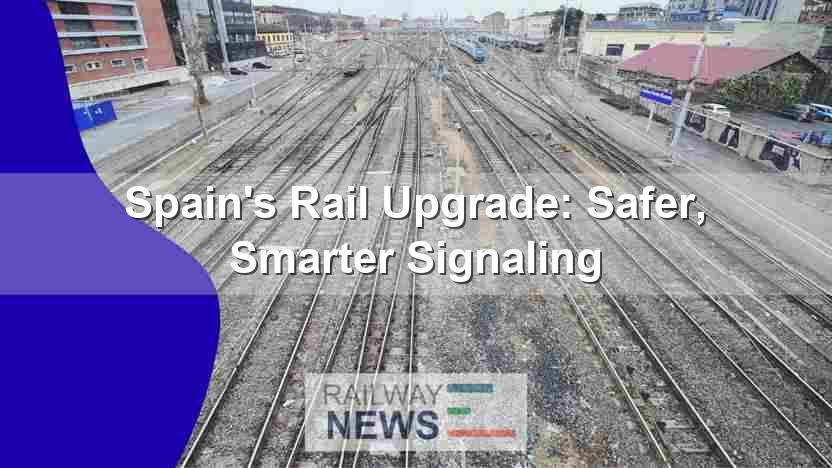
This article explores the significant upgrade of the signaling system on the Humanes-Monfragüe section of the Madrid-Valencia de Alcántara conventional gauge railway line in Spain. This project, a collaboration between Thales and Siemens, showcases a substantial investment in enhancing railway safety and operational efficiency. The focus will be on the technological advancements implemented, the enhanced safety features introduced, and the overall impact of this modernization on the Spanish railway network. We will examine the specific components upgraded, such as electronic interlockings, train protection systems, and centralized traffic control (CTC), and analyze their contribution to improved safety and capacity. Finally, we will consider the broader implications of such large-scale signaling projects for the future of railway infrastructure development and maintenance.
Modernization of Signaling Infrastructure
The core of the project involved the complete overhaul of the signaling system on the nearly 230km Humanes-Monfragüe section. This encompassed the installation of new electronic interlockings, replacing outdated systems to provide enhanced reliability and fail-safe operation. The project also included the extension, adaptation, and modification of two existing technology interlockings designed by Thales. This strategic approach ensured seamless integration of new and existing technologies, minimizing disruption and maximizing efficiency. The modernization also involved the deployment of advanced train protection systems, guaranteeing increased safety by actively monitoring train movements and preventing collisions or derailments.
Enhanced Train Protection and Control Systems
A key element of the upgrade was the implementation of state-of-the-art train protection systems. These systems provide continuous monitoring of train speed and location, ensuring adherence to pre-defined speed limits and preventing unauthorized entry into occupied sections of track. The integration of the Automatic Signal and Braking Announcement (ASFA) system further enhances safety by providing immediate visual and audible warnings to train drivers in case of potential hazards. This upgrade ensures trains operate within safe parameters, significantly reducing the risk of accidents. The project also involved replacing the outdated telephone blocking system with the Single Track Automatic Release Blocking System (BLAU), integrated with Centralized Traffic Control (CTC), improving safety and operational efficiency.
Centralized Traffic Control (CTC) and Operational Efficiency
The implementation of CTC represents a significant leap forward in operational efficiency. This system allows for centralized monitoring and control of train movements across the entire Humanes-Monfragüe section. Traffic managers in the CTC centers located in Chamartín (Madrid), Manzanares (Ciudad Real), and Santa Justa (Seville) now have a detailed overview of the line, enabling optimized scheduling, improved resource allocation, and faster response to incidents. This real-time monitoring capability drastically reduces delays and increases the overall throughput of the line, leading to significant improvements in operational efficiency and punctuality.
Safety Enhancements Through Technological Advancement
The project’s success lies in the substantial improvements in safety it delivers. The new electronic interlockings, train protection systems, and CTC provide multiple layers of redundancy and fail-safe mechanisms. Safe train detection systems, LED signals, and electric switch actuators enhance the reliability and visibility of the signaling infrastructure. The replacement of the older telephone blocking system with the BLAU system, compliant with Adif’s Telephone Blocking Suppression Plan, further minimizes the risk of human error and improves overall system resilience. These improvements contribute to a safer operating environment, reducing the likelihood of accidents and improving the overall safety record of the Spanish rail network.
Conclusion
The Thales-led signaling upgrade on the Humanes-Monfragüe section of the Madrid-Valencia de Alcántara line represents a significant advancement in Spanish railway infrastructure. The project showcases a commitment to enhancing safety and operational efficiency through the strategic deployment of modern signaling technology. The implementation of new electronic interlockings, advanced train protection systems such as ASFA and BLAU, and centralized traffic control (CTC) has resulted in a more reliable, safer, and more efficient railway system. The replacement of outdated systems with modern, technologically advanced solutions has not only improved safety but also increased the overall capacity and operational flexibility of the line. The successful integration of these technologies demonstrates the potential for significant improvements in railway performance through targeted investment in modernizing signaling infrastructure. The project serves as a model for other railway modernization projects worldwide, highlighting the importance of integrating advanced technologies to enhance safety and efficiency while reducing operational costs and maximizing the return on investment for railway operators. This case study underscores the vital role of continuous investment in infrastructure upgrades to maintain the safety and efficiency of national rail networks, contributing to sustainable and reliable rail transportation for years to come.

Railway infrastructure, rolling stock and transport technologies specialist focused on global rail industry developments, high-speed rail systems, signaling technologies and freight transportation. Covering railway investments, public transport modernization, rail operations and international mobility projects across Europe, Asia and North America.
RELATED POSTS

October 8, 2026 1:15 pm
Alstom secured a €1bn contract to build 13 automated trains,...

October 1, 2026 7:09 am
United States regulators confirmed a September 30 deadline for the...

October 8, 2026 12:18 pm
Siemens Mobility signed an agreement with VinSpeed to supply 350...

October 4, 2026 5:14 pm
Alstom secured a CA$4.7 billion order from VIA Rail Canada...

October 5, 2026 6:12 pm
AECOM and Jacobs secured a contract in September 2026 to...

October 4, 2026 11:08 pm
Sound Transit confirmed the September 30 opening of Seattle Pinehurst...