
Alstom Secures ETCS Approval for 10 UK Class 180 Trains
Alstom secured UK ETCS approval for 10 retrofitted Class 180 trains, clearing Grand Central to begin 50,000 miles of East Coast Main Line testing in 2026.
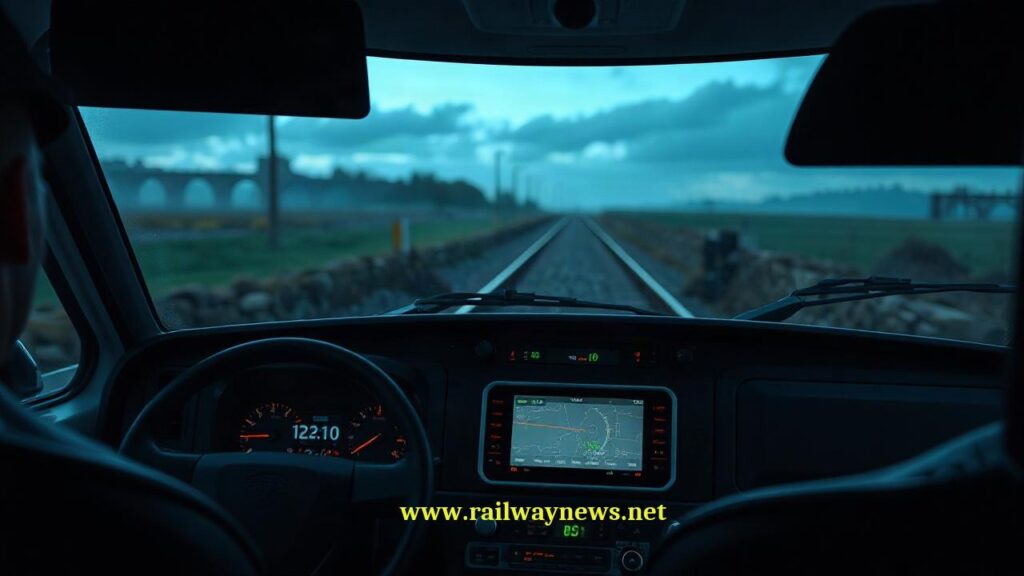
⚡ In Brief: Alstom has secured Authorisation for Placing into Service for 10 retrofitted Class 180 passenger train vehicles, enabling open-access operator Grand Central to commence 50,000 miles of fault-free testing ahead of ETCS Level 2 operations on the UK’s East Coast Main Line in 2027.
LONDON, UNITED KINGDOM – Alstom, Angel Trains, and Arriva Group subsidiary Grand Central secured regulatory Authorisation for Placing into Service (APiS) in October 2026 for a fleet of 10 retrofitted Class 180 vehicles. The diesel multiple units will enter a mandatory 50,000-mile fault-free running phase in December 2026 before deploying digital cab signalling on the East Coast Main Line (ECML). Commercial ETCS Level 2 operations across the Welwyn-to-Hitchin sector are scheduled to start by spring 2027.
What Are the Technical Specifications?
The retrofitted Class 180 vehicles utilize European Train Control System (ETCS) Level 2 architecture combined with Level National Train Control (L-NTC) transition capability. This setup enables continuous cab-signalling supervision over digitally equipped sections alongside backward compatibility over legacy routes using lineside signals, the Automatic Train Protection (ATP) system, and the Train Protection & Warning System (TPWS). As part of the East Coast Digital Programme (ECDP), the on-board subsystem interfaces with trackside Radio Block Centres (RBC) via GSM-R/FRMCS data links, dynamically supervising train braking profiles up to the unit’s maximum operating speed of 125 mph (200 km/h). Drivers are currently undergoing L-NTC operational instruction to manage dynamic transitions between conventional optical infrastructure and full digital cab signalling.
Key Technical Data
| Parameter | Value |
|---|---|
| Technology / System Name | ETCS Level 2 On-Board Subsystem (Class 180 Retrofit) |
| Total Value | Not disclosed |
| Parties Involved | Grand Central (Arriva Group), Angel Trains, Alstom, Network Rail (ECDP), NJRP |
| Timeline / Completion | Testing begins December 2026; full revenue service by Spring 2027 |
| Country / Corridor | United Kingdom / East Coast Main Line (Welwyn–Hitchin) |
Where Does This Technology Stand in the Market?
The global railway signaling market reached an estimated valuation of USD 21.10 billion in 2025, driven heavily by Western European network modernization, brownfield cab-signalling retrofits, and software-defined network management (Source: MarketsandMarkets, 2025). The retrofitting of legacy passenger fleets such as the diesel-hydraulic Class 180 represents one of the market’s most technically demanding segments due to mechanical integration, space constraints for on-board computers, and antenna positioning. While Alstom deployed its proprietary Atlas ETCS platform for this project, competing signalling architectures dominate adjacent European rollouts. Siemens Mobility offers its Trainguard 200 ETCS onboard system, which has captured broad European market share, supporting automatic train operation (ATO) over ETCS up to GoA2 on high-density networks (Source: Siemens Mobility, 2024). Meanwhile, Hitachi Rail deploys its integrated ETCS Level 2 onboard architecture, which is baseline-3 compliant and standard on Italy’s high-speed lines as well as the UK’s high-speed bi-mode fleets (Source: Hitachi Rail, 2023). Unlike new-build intercity rolling stock delivered with native digital systems, the Class 180 conversion serves as a proving ground for legacy asset life extension under Network Rail’s £1+ billion ECDP umbrella.
Note: Independent verification of the specific contract value for the Class 180 retrofit was not available at time of publication.
Editor’s Analysis
The APiS milestone for Grand Central’s Class 180 fleet marks a pivotal test case for whether independent open-access operators can absorb the operational friction of the UK’s digital transition without state fleet underwriting. As European operators accelerate the phase-out of legacy lineside equipment, Europe continues to lead global signalling investments primarily through complex retrofits of mixed-traction rolling stock (Source: SCI Verkehr, 2024). Success during the 50,000-mile validation run will determine whether legacy high-speed diesel fleets face premature retirement or prolonged operational utility on digitized trunk routes.
FAQ
Q: What is Authorisation for Placing into Service (APiS)?
A: APiS is the formal regulatory approval granted by safety authorities verifying that retrofitted rolling stock meets all technical safety standards required to run on the national rail network. For Grand Central, this permits their 10 modified vehicles to initiate mainline testing under digital signalling supervision.
Q: When will Grand Central passengers experience ETCS Level 2 operation?
A: Digital in-cab signalling passenger services on the East Coast Main Line between Welwyn and Hitchin are scheduled to begin in spring 2027. Before commercial rollout, the fleet must successfully complete a mandatory 50,000-mile fault-free reliability run starting in December 2026.
Q: How much did the Class 180 ETCS retrofit project cost?
A: The specific financial breakdown for the Class 180 retrofit has not been publicly disclosed by Angel Trains or Alstom. The work forms part of the broader East Coast Digital Programme financed through industry and government partnerships.

Railway infrastructure, rolling stock and transport technologies specialist focused on global rail industry developments, high-speed rail systems, signaling technologies and freight transportation. Covering railway investments, public transport modernization, rail operations and international mobility projects across Europe, Asia and North America.
RELATED POSTS
October 8, 2026 1:15 pm
Alstom secured a €1bn contract to build 13 automated trains,...
October 1, 2026 7:09 am
United States regulators confirmed a September 30 deadline for the...
October 4, 2026 5:14 pm
Alstom secured a CA$4.7 billion order from VIA Rail Canada...
October 1, 2026 12:13 am
Illinois approved $1.5 billion annually for the Northern Illinois Transit...
October 4, 2026 11:08 pm
Sound Transit confirmed the September 30 opening of Seattle Pinehurst...

October 5, 2026 1:13 pm
New York MTA confirmed a late 2026 DEIS release for...