
South Africa’s Rail Revival: Billions Invested
South Africa’s coal & iron ore rail revival: private sector backs R12.9B+ restoration with 2026 private operators. R16.1B budgeted, R76.6B 3‑year Transnet plan to boost exports.
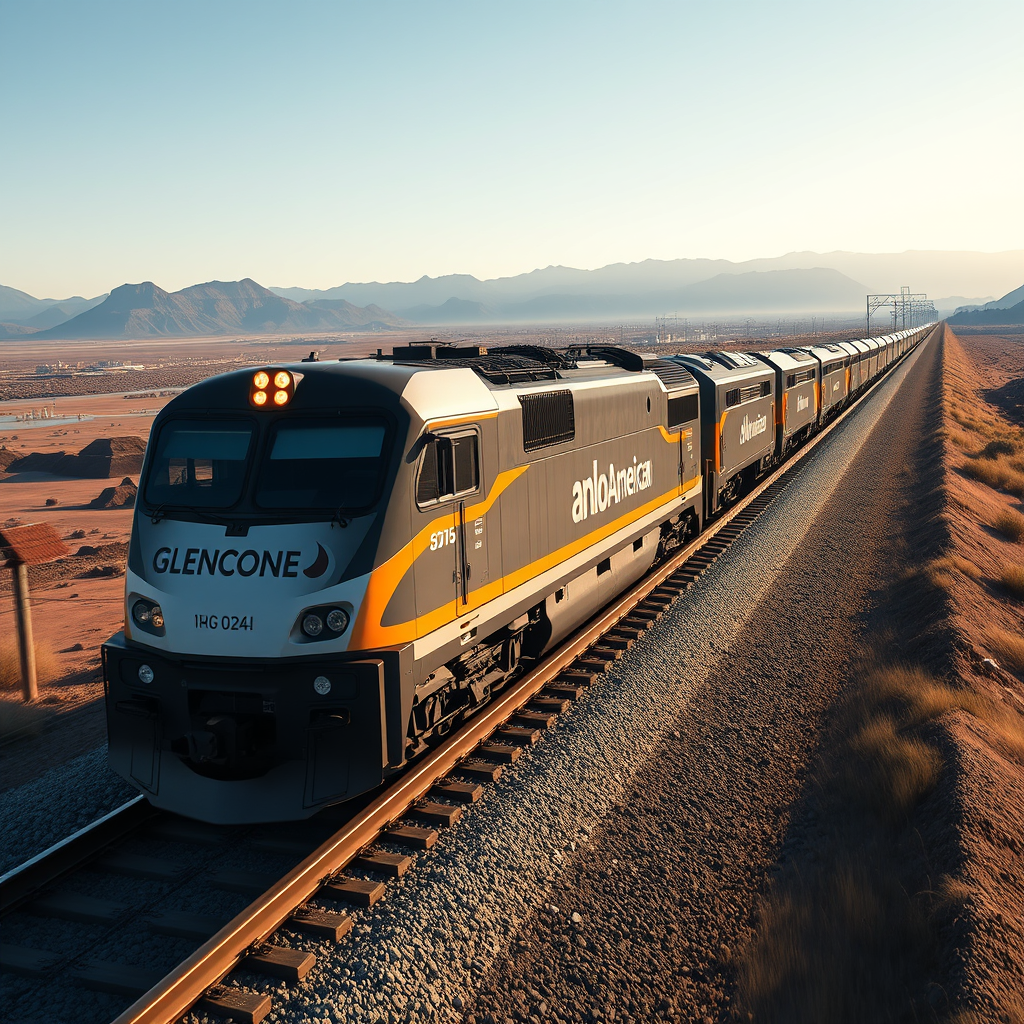
South Africa’s economic prosperity is significantly intertwined with its ability to efficiently export key commodities like coal and iron ore. For decades, the country’s state-owned logistics company, Transnet Freight Rail (TFR), has been responsible for transporting these vital resources. However, years of underinvestment, operational inefficiencies, and widespread theft have resulted in a dramatic decline in rail freight capacity, impacting export volumes and national revenue. This article explores the critical situation facing South Africa’s rail infrastructure, focusing on the recently announced multi-billion rand investment agreements aimed at revitalizing the coal and iron ore lines. We will analyze the challenges, the proposed solutions, the potential impacts, and the long-term implications for the South African economy and the global commodity markets. This analysis will delve into the financial aspects of the agreements, the operational complexities of restoring degraded infrastructure, and the broader regulatory changes enabling increased private sector participation in rail operations. We will also discuss the strategic importance of efficient rail freight for a nation heavily reliant on commodity exports, and the potential ripple effects of improved infrastructure on other sectors of the economy.
The Deterioration of South Africa’s Rail Network
The decline of South Africa’s rail network, particularly the lines dedicated to coal and iron ore transportation, has been a gradual but severe process. Years of insufficient maintenance, coupled with rampant theft of critical infrastructure components (such as signaling equipment and rail lines), have led to significant capacity reductions. This has had a direct impact on export volumes. Coal exports, for example, plummeted to a 30-year low of 48 million tonnes (mt) in 2023, while iron ore rail transport also hit a ten-year low. This situation not only severely curtailed export revenues but also negatively affected the competitiveness of South African commodities in the global market. The knock-on effects extended to related industries and employment, highlighting the critical need for immediate and substantial intervention.
The Private Sector Investment Agreements
In a significant development, South African coal and iron ore exporters are partnering with Transnet to inject billions of rand into repairing and upgrading critical rail lines. These agreements, involving major players such as Glencore and Anglo American, represent a crucial step towards revitalizing the country’s rail infrastructure. While the specific financial details haven’t been publicly released, Transnet estimates indicate that restoring the coal line will require approximately R12.9 billion ($700 million) over three years, and the iron ore line will need around R9 billion. The broader plan to rehabilitate all Transnet’s tracks, including those for containers and manganese, is estimated at R64.5 billion over five years. This signifies a substantial commitment from both the private sector and the government to address the long-standing infrastructural challenges.
Enabling Private Sector Participation
A key component of the revitalization strategy is the government’s decision to allow private operators to run trains on key rail lines, starting in April. This move represents a significant shift away from the previous model of sole reliance on TFR. By opening up the sector to private operators, the government aims to introduce much-needed efficiency improvements, expertise, and capital investment. This increased competition is expected to enhance operational efficiency, reduce transportation costs, and improve overall service delivery. The success of this approach, however, will depend on the regulatory framework established to ensure fair competition and prevent monopolistic practices. It will also be crucial to carefully manage potential conflicts between private operators and TFR’s existing infrastructure and operational responsibilities.
Conclusion
The multi-billion rand investment in South Africa’s rail infrastructure represents a critical juncture in the country’s economic development. The severe deterioration of the rail network, particularly the lines transporting coal and iron ore, had significantly hampered export volumes and negatively impacted the national economy. The agreements between private sector players and Transnet Freight Rail mark a pivotal shift towards a more efficient and privately-involved rail system. The success of this initiative hinges on multiple factors. Firstly, the effective and timely implementation of the repair and upgrade projects is paramount. Delays or cost overruns could undermine the entire plan. Secondly, the regulatory framework governing private sector participation must be robust and transparent to ensure fair competition and prevent exploitation. Thirdly, consistent government support, including securing the necessary funding for Transnet, is essential for the long-term success of the initiative. The introduction of private operators and the injection of billions of rands will hopefully elevate the efficiency of the rail system but may not solve all problems. Ongoing monitoring of performance indicators and adaptation of strategies to address unforeseen challenges will be necessary. Ultimately, the successful revitalization of South Africa’s rail network is vital not only for boosting export income but also for promoting sustainable economic growth and improving the country’s overall competitiveness in the global market. The collaboration between public and private sectors offers a promising path forward, but vigilance and adaptability will be key in ensuring the long-term sustainability and effectiveness of these crucial improvements. The long-term impact will depend on effective project management, transparent regulations, and sustained government commitment to ensure the long-term success of this vital initiative.

Railway infrastructure, rolling stock and transport technologies specialist focused on global rail industry developments, high-speed rail systems, signaling technologies and freight transportation. Covering railway investments, public transport modernization, rail operations and international mobility projects across Europe, Asia and North America.
RELATED POSTS

October 8, 2026 1:15 pm
Alstom secured a €1bn contract to build 13 automated trains,...

October 1, 2026 7:09 am
United States regulators confirmed a September 30 deadline for the...

October 8, 2026 12:18 pm
Siemens Mobility signed an agreement with VinSpeed to supply 350...

October 4, 2026 5:14 pm
Alstom secured a CA$4.7 billion order from VIA Rail Canada...

October 5, 2026 6:12 pm
AECOM and Jacobs secured a contract in September 2026 to...

October 4, 2026 11:08 pm
Sound Transit confirmed the September 30 opening of Seattle Pinehurst...