
SCMAGLEV Axed: USDOT Halts Baltimore-Washington High-Speed Rail
US pulls funding for Baltimore-Washington SCMAGLEV high-speed rail project. FRA grants rescinded, halting federal support. Project faces delays, cost overruns.
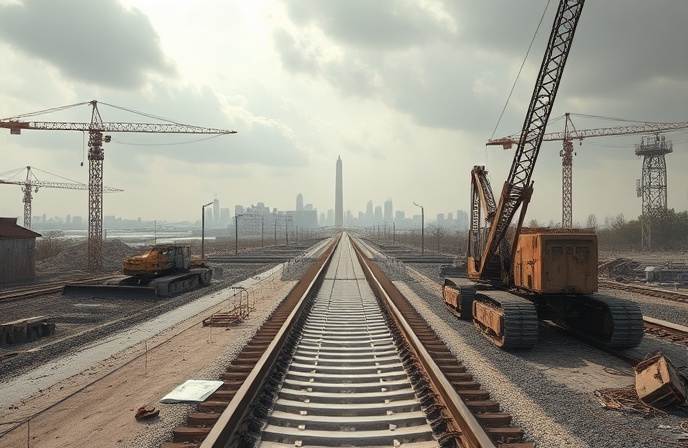
SCMAGLEV Project Axed: USDOT Pulls Funding for Baltimore-Washington Line
United States Secretary of Transportation Sean Duffy delivered a significant blow to the proposed Baltimore-Washington Superconducting Magnetic Levitation (SCMAGLEV) project on August 1st. The Department of Transportation (USDOT) rescinded two Federal Railroad Administration (FRA) grants, totaling $26 million, effectively halting federal financial support for the ambitious high-speed rail initiative. This decision, impacting a project originally conceived to link Baltimore and Washington, D.C., raises critical questions about the viability of SCMAGLEV technology in the U.S. and underscores the challenges facing large-scale infrastructure projects. This article explores the reasons behind the USDOT’s move, the implications for the future of high-speed rail in the region, and the broader context of infrastructure investment in the United States.
The Premise of the Project: A Technological Leap
The SCMAGLEV project, envisioned as a cutting-edge transportation solution, proposed a high-speed rail line leveraging superconducting magnetic levitation technology. This system, unlike conventional rail, would utilize powerful magnets to levitate trains above the track, eliminating friction and theoretically allowing for speeds exceeding 300 mph (483 km/h). The project aimed to dramatically reduce travel times between the two major East Coast cities. The FRA, an agency within the USDOT responsible for overseeing railway safety and development, had been involved in funding the project since 2016. The proposed route was planned to cover the distance between Baltimore and Washington, D.C., and the estimated cost of the project was a staggering $20 billion, according to the USDOT.
Delays and Cost Overruns: Mounting Challenges
The USDOT cited a series of setbacks as the primary justification for withdrawing funding. The project experienced significant delays and escalating costs since its inception. The environmental review process, a crucial component of any large infrastructure project, faced repeated pauses, including a protracted standstill from 2021 to the present. These delays increased the uncertainty surrounding the project’s timeline and projected completion date. These issues, coupled with the escalating cost estimates, raised concerns about the financial feasibility of the SCMAGLEV project and its long-term sustainability. This lack of financial backing led to the cancellation.
Secretary Duffy’s Rationale: Fiscal Prudence and Future Focus
Secretary Duffy’s decision to rescind the grants reflects a commitment to fiscal responsibility. “This project did not have the means to go the distance, and I can’t in good conscience keep taxpayers on the hook for it,” he stated. His remarks suggest a prioritization of responsible stewardship of public funds. Additionally, Duffy’s statement emphasized the USDOT’s ongoing commitment to investing in the future of transportation and encouraging innovation. This indicates that while the SCMAGLEV project has been shelved, the agency remains open to supporting other potentially promising transportation technologies and infrastructure projects.
Conclusion
The USDOT’s withdrawal of funding for the Baltimore-Washington SCMAGLEV project marks a significant setback for the advancement of high-speed rail in the United States. While the technology offers the potential for revolutionizing passenger transportation with significantly reduced travel times and minimal environmental impact, the project’s challenges, including escalating costs, prolonged delays, and an uncertain regulatory environment, proved insurmountable. The decision highlights the complexities inherent in launching large-scale infrastructure projects, especially those involving unproven technologies. It also underscores the importance of thorough planning, rigorous cost-benefit analyses, and strong public-private partnerships in securing the long-term viability of such ventures.
The future of high-speed rail in the U.S. remains uncertain. The USDOT’s focus on funding other innovative transportation technologies suggests that the agency is not abandoning the pursuit of improved passenger rail service. It’s likely the focus will shift towards proven technologies with established infrastructures. The cancellation of the SCMAGLEV project serves as a cautionary tale, emphasizing the need for meticulous planning and rigorous execution in large-scale transportation projects. The industry will be watching closely to see what the future holds for the proposed SCMAGLEV routes.

Railway infrastructure, rolling stock and transport technologies specialist focused on global rail industry developments, high-speed rail systems, signaling technologies and freight transportation. Covering railway investments, public transport modernization, rail operations and international mobility projects across Europe, Asia and North America.
RELATED POSTS

October 1, 2026 7:09 am
United States regulators confirmed a September 30 deadline for the...

October 8, 2026 1:15 pm
Alstom secured a €1bn contract to build 13 automated trains,...

October 4, 2026 5:14 pm
Alstom secured a CA$4.7 billion order from VIA Rail Canada...

October 1, 2026 12:13 am
Illinois approved $1.5 billion annually for the Northern Illinois Transit...

October 6, 2026 2:14 am
Union Pacific launched export rail shipments with Ferromex to deliver...

October 1, 2026 6:10 am
Amtrak approved a System Expansion Committee on July 30 to...