
San Juan Tren Urbano Rail Project: Puerto Rico, Bayamón, San Juan
Tren Urbano: 17.2km, 16 stations, Bayamón to Santurce (San Juan). A Siemens-built, $1.7B rapid transit system, Puerto Rico’s first metro.
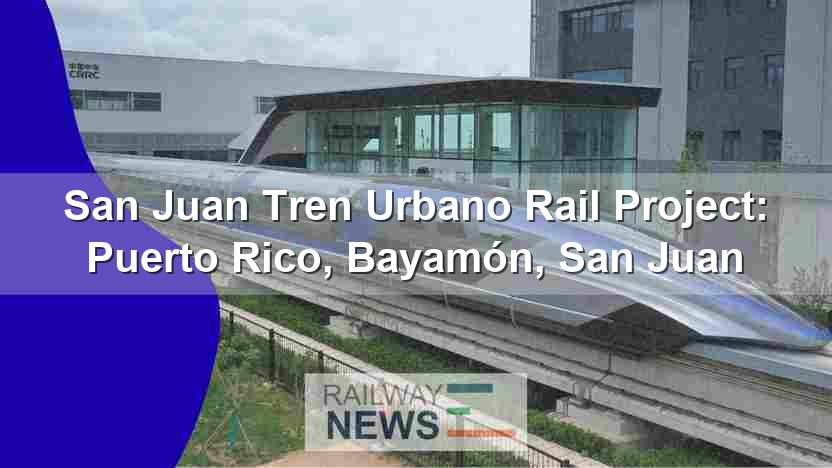
This article explores the San Juan Tren Urbano (SJTU) project, a significant urban rail transit system implemented in San Juan, Puerto Rico. The project aimed to address the escalating traffic congestion in the San Juan Metropolitan Area (SJMA) by providing a high-capacity, efficient mass transit solution. The focus will be on the technological aspects of the project, encompassing the design, construction, and operational features of the system, as well as an analysis of its projected impact on traffic reduction and urban mobility. The ultimate goal is to evaluate the success of the SJTU as a model for other urban areas facing similar transportation challenges and to highlight the critical role of technological advancements in modern rail systems. The analysis will include a detailed examination of the project’s scope, budget, technological specifications, and operational strategies, with a critical assessment of its effectiveness in achieving its stated objectives.
System Design and Construction
The first phase of the Tren Urbano project, a turnkey project awarded to Siemens AG, encompassed a 17.2 km (10.7-mile) double-track railway connecting Bayamón to Santurce, featuring 16 stations. The system incorporated a mix of elevated, at-grade, and underground sections, with a centrally located storage and maintenance yard housing the operations control center. Siemens, as the primary contractor, collaborated with Alternate Concepts, Inc. and Juan R. Requena & Associates. The project incorporated state-of-the-art technology, including a fully automated train control system, although trains initially had on-board operators, allowing for manual override if necessary. The system was designed to accommodate approximately 115,000 passengers daily, utilizing 74 two-car trains powered by a third rail system. Six major stations provided park-and-ride facilities, while others connected to bus routes. The trains, assembled at Siemens’ Sacramento plant, featured a maximum speed of 88 km/h (55 mph) and a 2+2 seating arrangement. The project included extensive infrastructure development, covering 9.3 km (5.8 miles) of aerial structures, the railway line itself, and a 1.4 km (0.8-mile) tunnel.
Technological Features and Operations
The SJTU’s technological sophistication is a key feature. The fully automated train control system, combined with insulated signaling and communication links to the central control center, enhanced safety and operational efficiency. The system ran for 20 hours a day, with trains departing every four minutes during peak hours. The third rail power system, semi-suspended inverted collector rail technology, and the design of the rolling stock itself all reflect advanced engineering practices common in modern rapid transit systems. The use of park-and-ride facilities at key stations facilitated integration with personal vehicles, addressing the “first/last mile” problem prevalent in many public transit systems. The integration of bus routes at other stations further enhanced the system’s accessibility and connectivity within the broader metropolitan transportation network.
Funding and Project Cost
The Tren Urbano project involved substantial financial investment. The initial cost estimate in 1996 was $1.25 billion, but by 2002, this had escalated to $2.036 billion. The funding sources included the Federal Transit Administration (FTA) Capital Programs Funds, flexible United States Department of Transportation (USDOT) formula funds, and bond financing. The first phase alone had a total capital cost of approximately $1.55 billion. The significant cost increase highlights the challenges of large-scale infrastructure projects, often impacted by unforeseen factors, cost overruns, and changes in scope.
Future Expansions and Overall Impact
The Department of Transportation and Public Works (DTPW) envisioned future expansions beyond Phase 1. Phase 1a involved extending the line to the Minillas Government Center. Phase 2 planned for an eastward branch to Carolina. The DTPW also introduced TU Conexión, a medium-capacity transit system connecting Tren Urbano stations with Plaza Las Américas. Long-term plans included extensions to the airport, Caguas, and Old San Juan, aiming for detailed coverage of the metropolitan area’s major activity centers. The project’s goal was to reduce traffic congestion to 1990 levels by absorbing 45% of the projected private car increase by 2010. This ambitious goal highlights the system’s potential to significantly impact urban mobility and improve the overall quality of life within the SJMA.
| Project Parameter | Value |
|---|---|
| Project Name | San Juan Tren Urbano (SJTU) |
| Type of Project | Urban Rail Transit System |
| Phase 1 Length | 17.2 km (10.7 miles) |
| Number of Stations (Phase 1) | 16 |
| Cities Connected (Phase 1) | Bayamón, Guaynabo, San Juan |
| Estimated Daily Passengers (Phase 1) | 115,000 |
| Initial Cost Estimate (1996) | $1.25 billion USD |
| Final Cost (2002) | $2.036 billion USD |
| Primary Contractor | Siemens AG |
| Train Manufacturer | Siemens AG |
| Number of Trains | 74 (two-car units) |
Conclusions
The San Juan Tren Urbano project represents a significant undertaking in urban rail transit development. While the initial cost projections proved underestimated, the project ultimately delivered a technologically advanced and efficient mass transit system. The fully automated operation, combined with the strategic integration of park-and-ride facilities and bus connections, enhanced its overall accessibility and effectiveness. The system’s design, incorporating both elevated and underground sections, demonstrates a nuanced approach to navigating the complexities of urban landscapes. The choice of Siemens AG as the primary contractor, along with their collaboration with local firms, underscores the importance of public-private partnerships in large-scale infrastructure projects. However, the significant cost overruns emphasize the critical need for robust cost management and contingency planning during the project’s development and execution stages. The long-term success of the SJTU will hinge upon the timely implementation of the planned expansions, seamless integration with other modes of transportation, and consistent operational efficiency. Its effectiveness in achieving its stated goal of reducing traffic congestion to 1990 levels and absorbing a significant portion of projected private vehicle growth will be a key metric for evaluating the project’s overall success. The project serves as a valuable case study for urban planners and transportation engineers, offering both lessons in technological innovation and the complexities of managing large-scale infrastructure projects. Further research into the long-term operational performance and ridership data is crucial to gain a complete understanding of the project’s overall impact.
Company Information:
Siemens AG: A global technology powerhouse operating in various sectors, including transportation. They designed, built, and initially operated the San Juan Tren Urbano system.
Alternate Concepts, Inc.: A smaller company involved as a partner in the Tren Urbano project. Specific details about their role are limited in available sources.
Juan R. Requena & Associates: Another smaller firm that partnered with Siemens on the Tren Urbano project, with limited public information available regarding their specific contribution.
Federal Transit Administration (FTA): A US federal agency that provided funding for the San Juan Tren Urbano project.
United States Department of Transportation (USDOT): The US federal department responsible for transportation policies and funding, which also contributed to the project’s financing.

Transport and railway industry editor covering global rail infrastructure, sustainable mobility, urban transit systems and next-generation railway technologies with a focus on accessible and industry-focused reporting.