
Railway Investments & Contracts 2023: A Global Review
Significant investments and contracts totaling billions of dollars were made globally in 2023 across the railway sector, focusing on rolling stock procurement for sustainable transport solutions and infrastructure upgrades to modernize freight transportation networks.
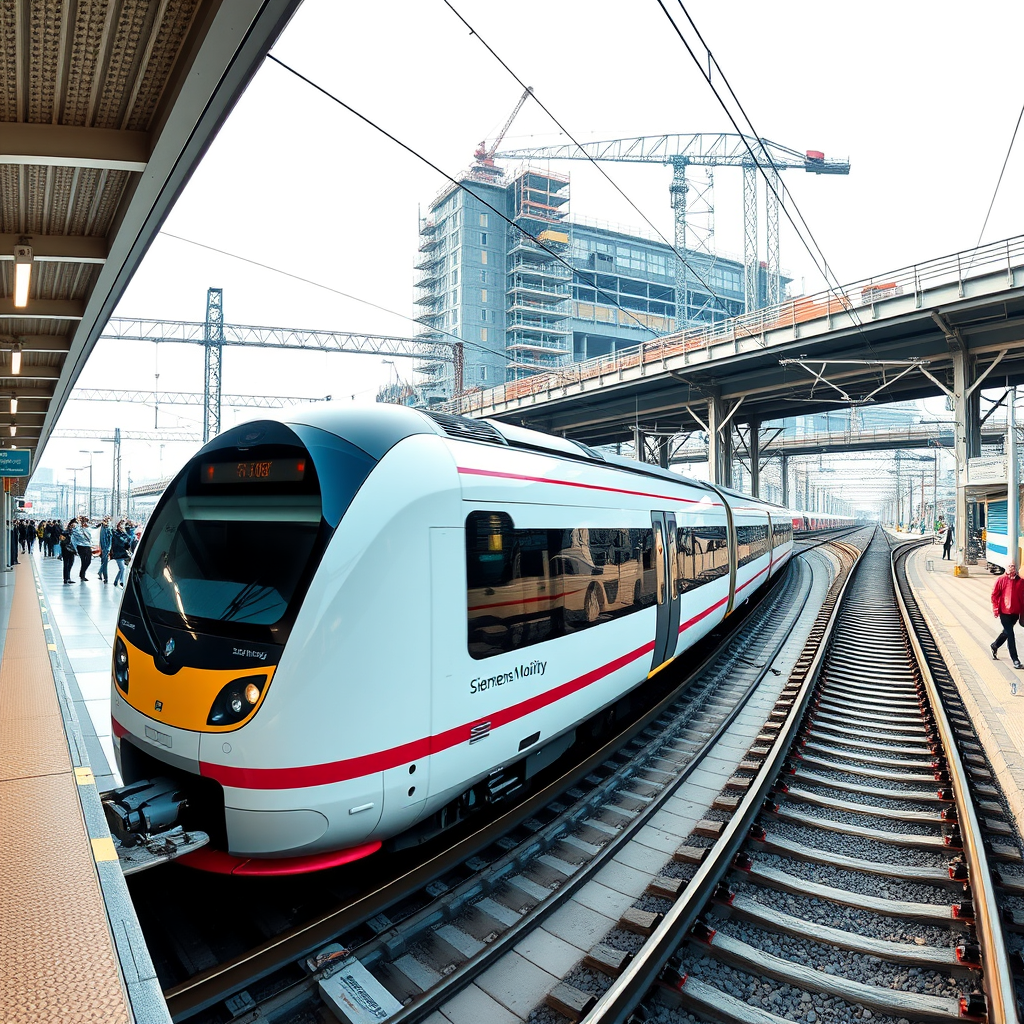
The year 2023 witnessed a surge in significant investments and contract awards within the global railway sector, signaling a robust recovery from the challenges posed by the COVID-19 pandemic. Billions of dollars were committed to various projects, ranging from the procurement of new rolling stock (trains and locomotives) and infrastructure upgrades to expansion into new markets and innovative technological advancements. This article examines some of the most notable deals of the year, analyzing their implications for the industry and highlighting key trends emerging in the railway landscape. We will explore the geographic distribution of these investments, the types of contracts awarded, and the technological advancements reflected in these deals. The analysis will shed light on the current state of the railway industry’s recovery, the focus on sustainable transport solutions, and the increasing role of private investment in railway infrastructure development.
Major Rolling Stock Procurement Deals
Several substantial contracts focused on the acquisition of new rolling stock, particularly electric locomotives and passenger coaches, demonstrating a global shift towards more sustainable and efficient rail transportation. Siemens Mobility secured its largest-ever contract, valued at €3 billion, with Indian Railways for the delivery of 1,200 electric freight locomotives, including a detailed 35-year full-service maintenance agreement. This deal signifies India’s commitment to modernizing its freight transportation network and reducing its carbon footprint. Similarly, Škoda Group expanded its reach into the Italian and African markets, securing a €732 million contract with Trenitalia for 370 new railway coaches and over €1 billion in contracts with Egyptian National Railways for locomotive maintenance and modernization, illustrating growing demand for efficient and reliable rolling stock across various regions.
Infrastructure Development and Modernization
Beyond rolling stock, significant investments were made in railway infrastructure development and modernization. In Germany, National Express Rail GmbH secured a €1 billion contract to operate the RE1 and RE11 Rhein-Ruhr-Express (RRX) lines, solidifying its position as a major player in the German rail market. Additionally, a contract was awarded for the maintenance and upgrade of the 522km La Dorada – Chiriguaná freight line in Colombia, showcasing investments in improving existing rail networks and enhancing freight transportation capabilities. These projects underscore the importance of infrastructure investment in supporting economic growth and enhancing the efficiency of rail transport.
Technological Advancements and Investment in Railway Technology
The year also saw significant investments in technological advancements within the rail industry. Siemens Mobility signed a €5 billion framework contract with ÖBB (Austrian Federal Railways) for the supply of up to 540 Mireo single-deck electric multiple-unit trains, highlighting the ongoing investment in modern, efficient, and sustainable passenger rolling stock. The success of Seatfrog, a rail ticketing startup, which secured a £6 million investment and experienced over 800% revenue growth in 2022, demonstrates the growing interest in technological solutions that improve passenger experience and efficiency within the rail sector. The significant investment and growth of this startup illustrate that the industry is embracing innovative solutions in areas such as online ticketing and seat management.
Strategic Acquisitions and Restructuring
Strategic acquisitions and corporate restructuring also played a key role in shaping the railway landscape in 2023. MSC (Mediterranean Shipping Company), a major shipping giant, announced a binding agreement to acquire a 50% stake in Italo – Nuovo Trasporto Viaggiatori (Italo), an Italian high-speed rail operator, indicating the growing interest of players from related transportation sectors in expanding their presence in the rail market. Conversely, Deutsche Bahn (DB) sold its Arriva Group subsidiary to I Squared Capital, a US-based infrastructure asset management company, for approximately €1.68 billion. This move reflects DB’s strategic focus on strengthening its domestic rail operations and streamlining its international portfolio. These transactions demonstrate a shift in the industry’s landscape with major players both entering and exiting certain markets.
Conclusion
The significant investments and contract awards in the railway sector during 2023 paint a picture of robust growth and transformation. The year saw substantial commitments to the procurement of modern rolling stock, particularly electric locomotives and passenger coaches, reflecting a global drive towards sustainable and efficient rail transport. Simultaneously, significant investments in infrastructure development and modernization, such as track upgrades and line expansions, are crucial for enhancing the overall efficiency and capacity of rail networks. Technological innovation also played a prominent role, with significant investment in digital solutions for ticketing and train control systems. The strategic acquisitions and divestments further shaped the industry’s landscape, highlighting the dynamic nature of the market and the ongoing consolidation among key players. Looking ahead, the railway sector’s positive momentum suggests a continued focus on sustainability, technological advancements, and strategic partnerships to drive further growth and innovation in the years to come. The various deals analyzed here showcase a global effort to improve railway infrastructure, enhance passenger experience, and adopt more environmentally-friendly practices. The continued emphasis on electrification, modernization of existing fleets, and digitalization will be crucial factors in shaping the future of railway systems around the world. The success of these initiatives will depend on effective collaboration between governments, private investors, and railway operators to ensure the sustainable and efficient development of rail networks globally. The strong financial performance of companies in the sector, as well as the large-scale investments undertaken in 2023, suggests a positive outlook for the railway industry in the coming years.

Railway infrastructure, rolling stock and transport technologies specialist focused on global rail industry developments, high-speed rail systems, signaling technologies and freight transportation. Covering railway investments, public transport modernization, rail operations and international mobility projects across Europe, Asia and North America.
RELATED POSTS

October 8, 2026 1:15 pm
Alstom secured a €1bn contract to build 13 automated trains,...

October 1, 2026 7:09 am
United States regulators confirmed a September 30 deadline for the...

October 8, 2026 12:18 pm
Siemens Mobility signed an agreement with VinSpeed to supply 350...

October 4, 2026 5:14 pm
Alstom secured a CA$4.7 billion order from VIA Rail Canada...

October 5, 2026 6:12 pm
AECOM and Jacobs secured a contract in September 2026 to...

October 4, 2026 11:08 pm
Sound Transit confirmed the September 30 opening of Seattle Pinehurst...