
RailPulse: Revolutionizing Railcar Telematics
RailPulse, a telematics platform developed through collaboration among key stakeholders in North American freight rail, revolutionizes railcar management by providing real-time data on location, condition, and operational status, enhancing efficiency and safety across the entire network.
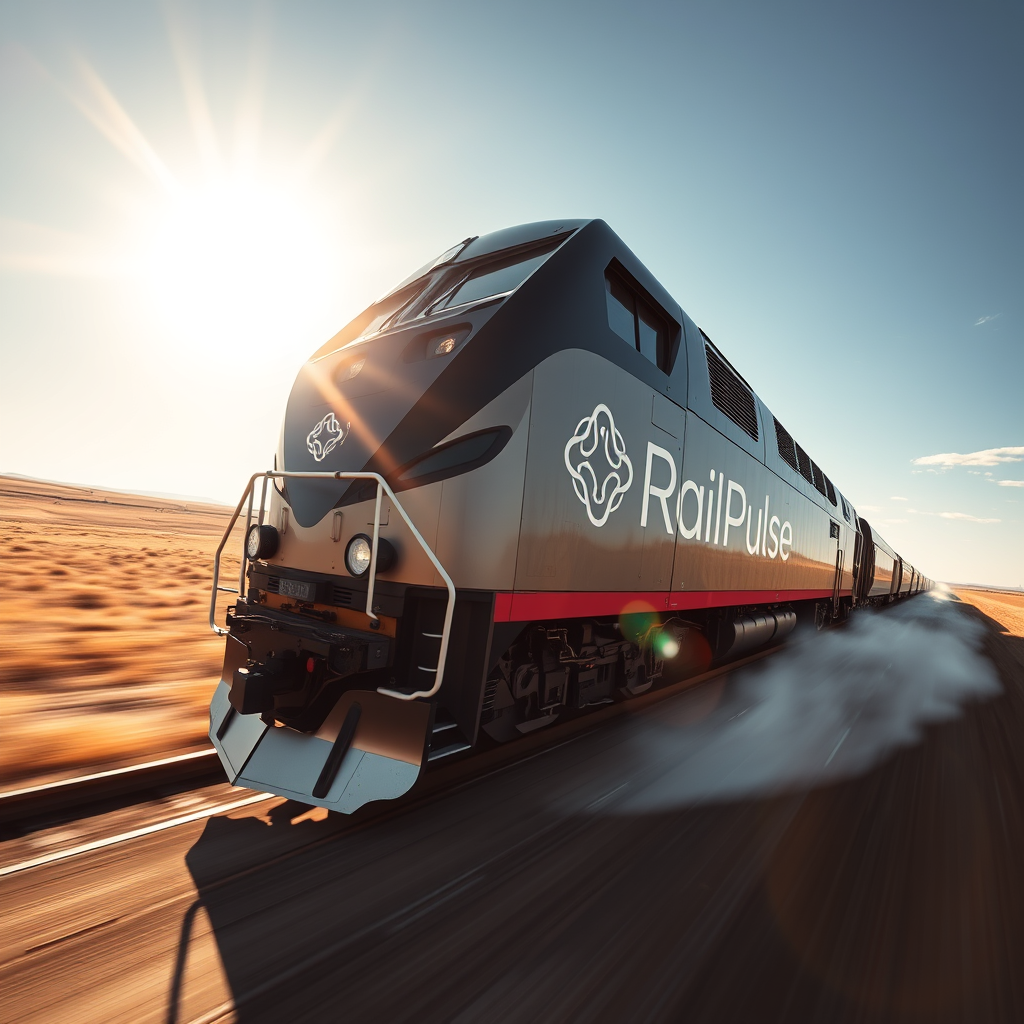
The Rise of Railcar Telematics: Enhancing Efficiency and Safety in North American Freight Rail
The North American freight rail industry is undergoing a significant transformation driven by technological advancements. This article explores the impact of RailPulse, a novel telematics platform developed through a collaborative effort between key stakeholders in the rail ecosystem. RailPulse represents a crucial step towards a more efficient, safer, and data-driven approach to freight railcar management. The platform aggregates real-time data from various sources, providing unprecedented visibility into the location, condition, and operational status of railcars across the continent. This real-time data stream promises to revolutionize supply chain management, improve operational efficiency for rail operators, and enhance safety protocols across the entire network. This is achieved through the utilization of Application Programming Interfaces (APIs) which allow for seamless data integration and sharing amongst various stakeholders, including railroads, lessors, and shippers. The development and deployment of RailPulse underscores a growing trend toward collaborative innovation within the industry, demonstrating the potential for cross-industry partnerships to address complex challenges and drive positive change. The platform’s success hinges on its ability to effectively integrate diverse data sources, maintain data security, and deliver actionable insights to users across the network. This exploration will analyze the technology behind RailPulse, discuss its implications for the industry, and consider the broader context of technological innovation in the freight rail sector.
RailPulse: A Collaborative Platform for Real-Time Railcar Monitoring
RailPulse, a collaborative initiative involving major North American railroads, lessors, and shippers, represents a paradigm shift in railcar management. The platform integrates data from a wide array of sensors deployed on railcars, providing real-time insights into their location, condition, and operational status. This includes data points such as location tracking via GPS, load levels, impact detection, handbrake status, and door status. This detailed data aggregation offers significant benefits across the supply chain. For rail operators, the real-time visibility reduces operational delays, optimizes resource allocation, and improves predictive maintenance. Shippers benefit from enhanced visibility and predictability in their supply chains, enabling better planning and reducing delivery uncertainties. Lessors can utilize the data to improve asset management, track utilization rates, and proactively address potential maintenance issues. The open and vendor-neutral nature of the platform ensures interoperability and allows for future expansion and integration with other technologies.
Data Integration and API Accessibility: The Foundation of RailPulse
The core functionality of RailPulse relies on its sophisticated data integration capabilities. The platform aggregates data from diverse sources – a variety of onboard sensors, existing tracking systems, and other relevant data streams. This diverse data is then enriched, processed, and securely stored in a centralized cloud-based system. The accessibility of this data is paramount, and RailPulse achieves this through the use of Application Programming Interfaces (APIs). APIs allow seamless integration with existing systems utilized by various stakeholders, minimizing disruption and maximizing the platform’s utility. This open architecture promotes collaboration and facilitates the development of custom applications tailored to specific needs. The data accessed through these APIs includes not only location data but also crucial operational and maintenance information. This information allows for informed decision-making, preventative maintenance scheduling, and proactive responses to potential issues.
Enhanced Safety and Efficiency: Transforming the Rail Landscape
The impact of RailPulse extends beyond improved operational efficiency. The platform’s real-time monitoring capabilities significantly enhance safety protocols. By continuously tracking railcar location and condition, RailPulse facilitates early detection of potential problems, such as derailments, equipment malfunctions, or security breaches. This proactive approach allows for rapid response and mitigation, minimizing the risk of accidents and ensuring the safety of personnel and the integrity of the rail network. Additionally, the detailed data provided by the platform can be used to identify and address systemic safety concerns, leading to continuous improvements in safety procedures and infrastructure. This proactive approach to safety enhances not only the operational efficiency of the railway but also fosters a culture of safety within the industry.
Conclusion: The Future of Railcar Telematics and Collaborative Innovation
RailPulse marks a pivotal moment in the evolution of North American freight rail. The platform’s success in integrating real-time data from diverse sources, providing accessible APIs for seamless data sharing, and enhancing both operational efficiency and safety demonstrates the transformative power of collaborative innovation within the industry. The open, vendor-neutral nature of RailPulse encourages further technological advancements and allows for future expansion and integration with emerging technologies, such as predictive analytics and artificial intelligence (AI). The platform’s success is not solely measured by its technological capabilities but also by its impact on the entire rail ecosystem. The increased visibility, enhanced efficiency, and improved safety protocols fostered by RailPulse contribute directly to a stronger, more resilient, and more sustainable rail network. The financial support from initiatives like the Consolidated Rail Infrastructure and Safety Improvements (CRISI) grant from the U.S. Federal Railroad Administration (FRA) and the Pennsylvania Department of Transportation (PennDOT) highlights the recognition of this transformative potential. The future of freight rail lies in embracing such innovative technologies and fostering a collaborative environment that enables the industry to adapt to evolving demands and maximize its efficiency and safety while contributing to the national economy. The broader adoption of RailPulse-like technologies will be crucial in optimizing resource utilization, streamlining operations, and ensuring the long-term sustainability and competitiveness of the North American freight rail industry. The collaborative effort exemplified by RailPulse serves as a model for future industry-wide initiatives, demonstrating the potential for shared goals and resources to drive substantial advancements in the rail sector.

Railway infrastructure, rolling stock and transport technologies specialist focused on global rail industry developments, high-speed rail systems, signaling technologies and freight transportation. Covering railway investments, public transport modernization, rail operations and international mobility projects across Europe, Asia and North America.
RELATED POSTS

October 1, 2026 7:09 am
United States regulators confirmed a September 30 deadline for the...

October 8, 2026 1:15 pm
Alstom secured a €1bn contract to build 13 automated trains,...

October 4, 2026 5:14 pm
Alstom secured a CA$4.7 billion order from VIA Rail Canada...

October 4, 2026 11:08 pm
Sound Transit confirmed the September 30 opening of Seattle Pinehurst...

October 5, 2026 6:12 pm
AECOM and Jacobs secured a contract in September 2026 to...
October 1, 2026 10:14 am
HS2 installed a 55-metre steel span in Birmingham, completing phase...