
Plessey Viaduct Repair: Engineering Triumph, Storm Babet Challenge
The Plessey Viaduct repair project showcases the intricate challenges faced in maintaining aging railway infrastructure, emphasizing the importance of innovative engineering solutions like pre-cast concrete modules and steel underpinning while highlighting the resilience of the UK’s rail network.
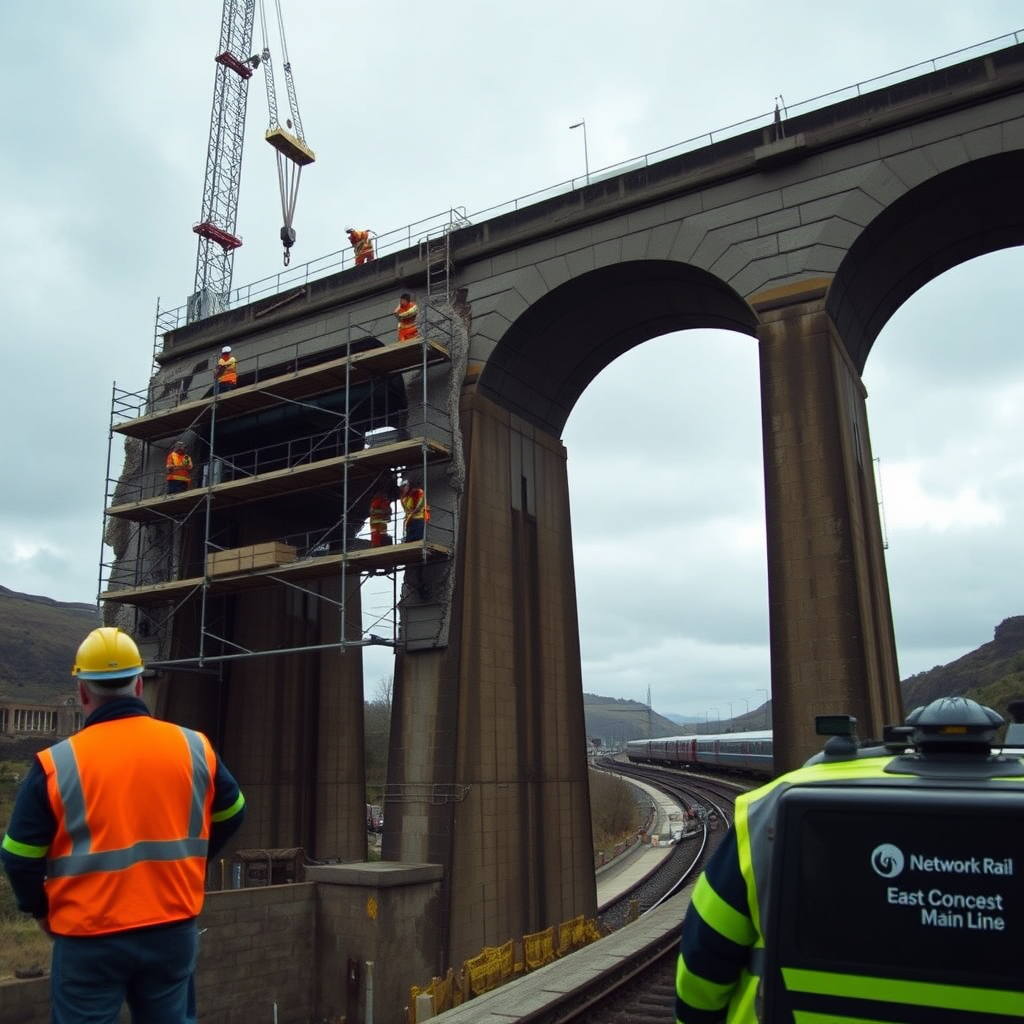
This article explores the recent repair and restoration of the Plessey Viaduct, a critical component of the UK’s East Coast Main Line (ECML). The project, undertaken by Network Rail, highlights the complexities of maintaining aging railway infrastructure while ensuring passenger safety and operational efficiency. We will examine the nature of the damage, the engineering solutions implemented, the challenges posed by adverse weather conditions, and the overall impact on rail services between Newcastle and Scotland. Additionally, this case study offers valuable insights into the importance of proactive maintenance, innovative repair techniques, and the resilience of the railway network in the face of unexpected events. The discussion will also touch upon broader considerations regarding the sustainability and modernization of railway infrastructure, vital elements for the future of rail transportation.
The Plessey Viaduct Repair Project: Scope and Challenges
The Plessey Viaduct, a structure over 170 years old, sustained damage to its parapet wall during routine engineering inspections in October. While the underlying structural integrity of the viaduct remained unaffected, the damage necessitated immediate repair to ensure the continued safe operation of the ECML. The repair work involved the construction and installation of pre-cast concrete modules to reinforce the damaged parapet. This was complemented by steel underpinning, a technique used to strengthen the foundation and support the existing structure. The project also included the replacement of approximately 200 meters of track and associated ballast. The scale of the repairs underlines the significant investment required to maintain the UK’s extensive rail infrastructure.
Engineering Solutions and Innovative Approaches
Network Rail’s engineers employed a combination of traditional and modern engineering techniques to address the damage. The use of pre-cast concrete modules allowed for efficient and effective repair, minimizing disruption to the overall project timeline. Steel underpinning provided enhanced structural support, ensuring long-term stability and safety. The replacement of track and ballast further contributed to the overall improvement of the track’s condition and ride quality. The project demonstrates Network Rail’s commitment to using a blend of tried-and-tested methods with modern innovations to optimize repair efforts and maintain operational efficiency.
Impact of Adverse Weather Conditions
The repair work was significantly impacted by Storm Babet, which introduced safety concerns and necessitated innovative working practices to ensure the project’s completion. The adverse weather conditions highlighted the challenges faced by railway engineers in maintaining essential infrastructure under unpredictable circumstances. It underscores the need for flexible planning and the ability to adapt quickly to unforeseen challenges. This demonstrates the importance of risk management and contingency planning within large-scale infrastructure projects.
Restoration of Service and Lessons Learned
The successful completion of the Plessey Viaduct repairs resulted in the resumption of train services between Newcastle and Scotland, restoring vital connectivity for passengers and freight. The project highlights the importance of proactive maintenance and regular inspections in identifying potential issues before they escalate into major disruptions. The experience also underscores the need for effective communication with passengers during periods of service disruption. The seamless return to normal service after such a significant repair demonstrates the effectiveness of the project management, engineering expertise, and operational planning involved.
Conclusion
The repair of the Plessey Viaduct serves as a compelling case study in the management and maintenance of critical railway infrastructure. Network Rail’s response, encompassing swift action, innovative engineering solutions, and effective communication, successfully mitigated the impact of the damage and restored vital rail links. The project’s success demonstrates the importance of a proactive approach to maintenance, incorporating regular inspections and employing a blend of traditional and modern engineering techniques. The challenges posed by Storm Babet underscored the need for resilience in the face of unexpected weather events and adaptable planning strategies. Looking forward, continuous investment in infrastructure maintenance, along with the adoption of innovative repair techniques and enhanced weather-related contingency plans, will be crucial to ensuring the continued safety and efficiency of the UK’s railway network. The timely completion of the repairs, despite adverse weather and the historical significance of the viaduct, is a testament to the expertise and dedication of Network Rail’s engineers and project management teams. The project serves as a valuable lesson in prioritizing safety, utilizing cutting-edge technologies, and effectively managing both planned and unplanned maintenance for critical infrastructure.

Railway infrastructure, rolling stock and transport technologies specialist focused on global rail industry developments, high-speed rail systems, signaling technologies and freight transportation. Covering railway investments, public transport modernization, rail operations and international mobility projects across Europe, Asia and North America.
RELATED POSTS

October 8, 2026 1:15 pm
Alstom secured a €1bn contract to build 13 automated trains,...

October 1, 2026 7:09 am
United States regulators confirmed a September 30 deadline for the...

October 4, 2026 5:14 pm
Alstom secured a CA$4.7 billion order from VIA Rail Canada...

October 8, 2026 12:18 pm
Siemens Mobility signed an agreement with VinSpeed to supply 350...

October 5, 2026 6:12 pm
AECOM and Jacobs secured a contract in September 2026 to...

October 4, 2026 11:08 pm
Sound Transit confirmed the September 30 opening of Seattle Pinehurst...