
PKP Intercity Invests EUR 678M for New Rolling Stock Poland
PKP Intercity invested EUR 678 million from Poland’s PNRR for 56 new locomotives and 248 modernized railcars, completing by April 2026.
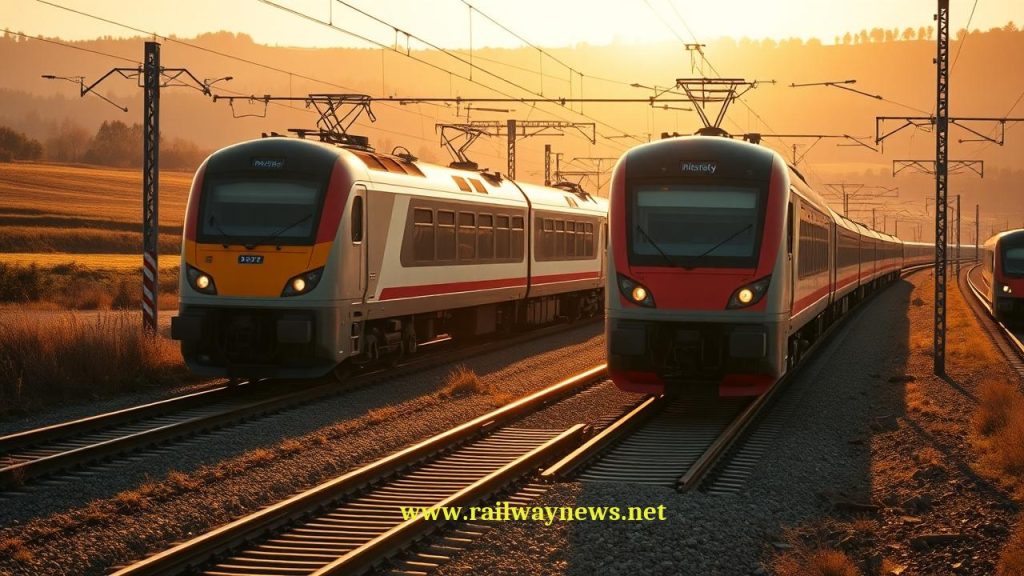
⚡ In Brief: PKP Intercity has utilized nearly 84% of its EUR 518.88 million allocation from Poland’s National Recovery and Resilience Plan to fund a EUR 678 million project for 56 new locomotives and 248 modernized railcars, with completion set for April 2026.
WARSAW, POLAND – Polish long-distance operator PKP Intercity has drawn down over 1.81 billion zlotys (approx. EUR 434.4 million) from Poland’s National Recovery and Resilience Plan (PNRR) for its rolling stock modernization program. The total project, valued at EUR 678 million, includes the purchase of 56 electric locomotives and the overhaul of 248 passenger cars. The financing contract for this specific rail project was signed on October 30, 2024, with a final completion target of April 2026.
How Is the Funding Structured?
The project is financed through a combination of European Union funds and PKP Intercity’s own resources. The EU’s Transport Projects Center granted a total of 2.162 billion zlotys (EUR 518.88 million) via the PNRR, which is designated for the procurement of 56 NEWAG Griffin EU160 electric locomotives and the modernization of 248 passenger cars of various types (141A/111A, 152A, Z1B, AB, and COMBO). The total project value is 2.825 billion zlotys (EUR 678 million), with the PNRR grant covering approximately 76% of the cost. A detailed cost breakdown per locomotive versus per modernized car was not disclosed in the announcement.
Key Funding Data
| Parameter | Value |
|---|---|
| Fund / Programme Name | PNRR Rolling Stock Modernisation |
| Total Value | EUR 678 million (2.825 billion zlotys) |
| Parties Involved | PKP Intercity, European Union (Transport Projects Center), H. Cegielski, Pesa Bydgoszcz, Pesa Mińsk Mazowiecki, PKP Intercity Remtrak, NEWAG |
| Timeline / Completion | By end of April 2026 |
| Country / Corridor | Poland (National long-distance routes) |
How Does This Compare to Similar Funding Programs?
This EUR 518.88 million rail allocation is part of Poland’s much broader National Recovery and Resilience Plan, which directs EU funds across diverse strategic sectors. For context, the same PNRR program includes the EUR 52 million CAMILA project to develop a national satellite constellation and is part of the financing strategy for a massive $51.5 billion SAFE defence loan agreement to bolster the nation’s military capabilities (Source: Reuters, 2024; SpaceNews, 2024). While the PKP project focuses on modernizing existing conventional rail, it runs parallel to the larger, new-build Port Polska initiative, which aims to create a nationwide high-speed rail system as part of a multimodal transport hub (Source: FlightGlobal, 2024). The scale of this rolling stock investment is significant, though it remains a component of a much larger national capital expenditure program.
Editor’s Analysis
PKP Intercity’s rapid deployment of PNRR funds demonstrates a dual strategy: quickly improving service on existing lines while longer-term, higher-cost high-speed rail projects are developed. This approach allows the operator to deliver tangible passenger benefits now, building public support for rail ahead of the more disruptive and expensive infrastructure builds like the Port Polska network. The exclusive use of domestic suppliers like NEWAG and Pesa for this program also underscores a national industrial policy to ensure that EU transport investment directly strengthens Poland’s local manufacturing base and technological expertise.
FAQ
Q: What specific rolling stock is being delivered?
A: The project includes 56 new Griffin EU160 electric locomotives from manufacturer NEWAG and 248 modernized passenger railcars. The modernized fleet includes first-class, second-class, and multifunctional COMBO cars.
Q: Is this funding related to Poland’s new high-speed rail network?
A: No, this specific funding is for modernizing the existing conventional long-distance fleet. It is separate from, but strategically complementary to, the new Port Polska high-speed rail infrastructure project which is a much larger national initiative.
Q: Who is performing the modernization work on the railcars?
A: The work is being carried out by several Polish companies, including H. Cegielski – Fabryka Pojazdów Szynowych, Pesa Bydgoszcz, Pesa Mińsk Mazowiecki, and PKP Intercity Remtrak, a subsidiary of the operator.

Railway infrastructure, rolling stock and transport technologies specialist focused on global rail industry developments, high-speed rail systems, signaling technologies and freight transportation. Covering railway investments, public transport modernization, rail operations and international mobility projects across Europe, Asia and North America.
RELATED POSTS

October 1, 2026 7:09 am
United States regulators confirmed a September 30 deadline for the...

October 4, 2026 5:14 pm
Alstom secured a CA$4.7 billion order from VIA Rail Canada...

October 6, 2026 2:14 am
Union Pacific launched export rail shipments with Ferromex to deliver...

October 1, 2026 12:13 am
Illinois approved $1.5 billion annually for the Northern Illinois Transit...

October 1, 2026 6:10 am
Amtrak approved a System Expansion Committee on July 30 to...
October 1, 2026 3:12 am
Greenbrier confirmed Brian Comstock as new president and CEO effective...