
Patriot Rail & CPKC: Denton Transload Facility
The strategic partnership between Patriot Rail and Canadian Pacific Kansas City (CPKC) in constructing a multi-commodity transload facility in Denton, Texas, showcases innovative collaboration within the rail industry, enhancing intermodal transportation capabilities in the Dallas-Fort Worth area, thereby optimizing logistics efficiency and contributing to economic competitiveness.
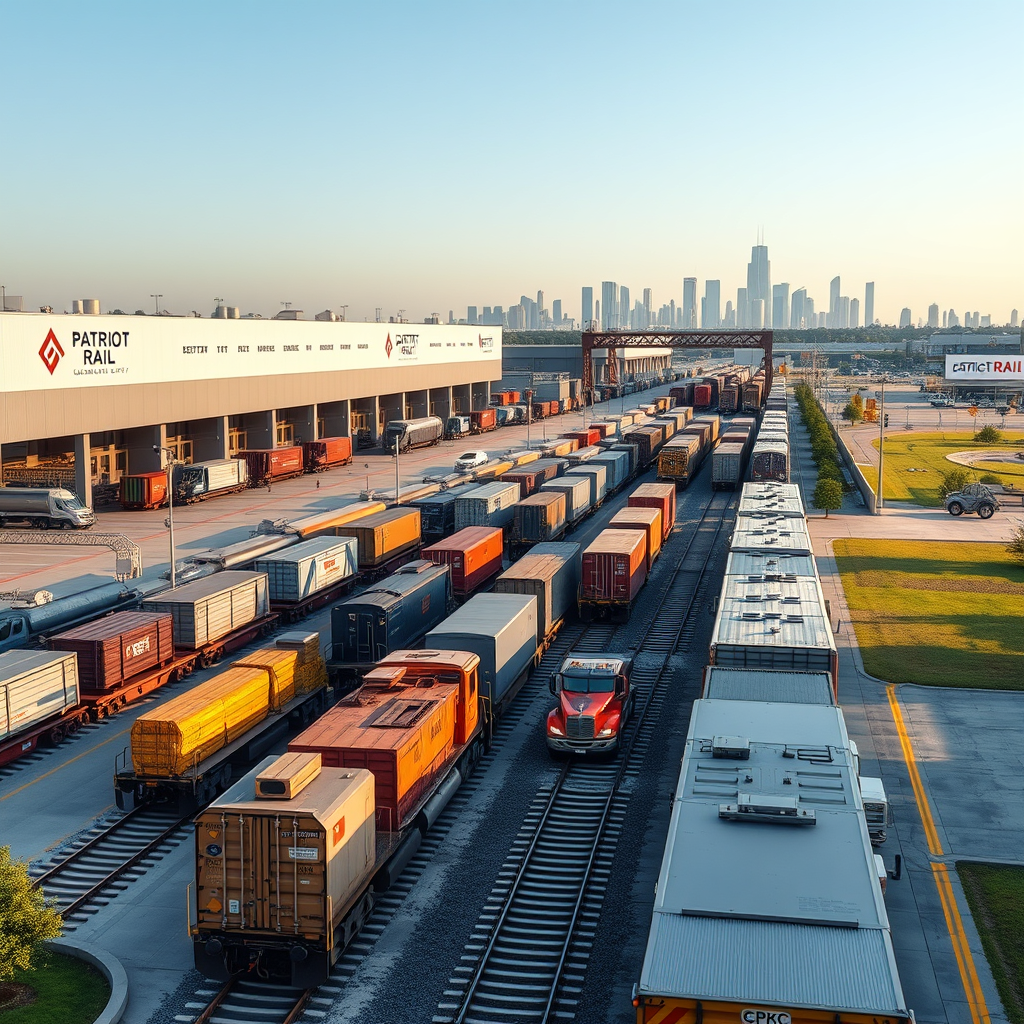
The burgeoning need for efficient and cost-effective freight transportation solutions within the increasingly complex supply chain landscape has led to innovative partnerships within the rail industry. This article explores the strategic collaboration between Patriot Rail and Canadian Pacific Kansas City (CPKC) to construct a new multi-commodity transload facility in Denton, Texas. This development signifies a significant investment in enhancing intermodal transportation capabilities within the Dallas-Fort Worth metropolitan area, a crucial hub for both domestic and international commerce. The partnership demonstrates a proactive approach to addressing current supply chain challenges, leveraging the strengths of both companies to create a more robust and resilient freight transportation network. This facility will be crucial in optimizing the flow of goods, minimizing transit times, and ultimately contributing to the overall economic competitiveness of the region. The analysis explores the operational aspects of the project, examining its potential impact on various stakeholders, including shippers, carriers, and the surrounding community. The discussion will also consider the broader implications for the future of rail-based logistics and the evolving role of intermodal transportation in a rapidly changing global marketplace.
Strategic Partnership and Location Advantages
The collaboration between Patriot Rail, a prominent short-line railroad operator, and CPKC, a major Class I railroad (a major freight railroad company), represents a powerful synergy. Patriot Rail’s expertise in short-line operations and specialized services complements CPKC’s extensive mainline network. The selected location in Denton, Texas, within the Dallas-Fort Worth (DFW) metroplex, provides unparalleled access to major transportation arteries and a vast consumer market. This strategic location allows for seamless integration with other modes of transport, including trucking and warehousing, thereby enhancing the facility’s efficiency and reach. The facility’s proximity to major highways and interstates further optimizes the first and last mile delivery, a critical factor in overall supply chain performance. The Denton location provides optimal access to a robust and growing market, strengthening the facility’s long-term viability and competitiveness.
Multi-Commodity Handling and Enhanced Efficiency
The new transload facility is designed to handle a wide array of commodities, including lumber, cement, fly ash, steel, and consumer appliances. This versatility is a key strength, offering flexibility to cater to the diverse needs of shippers and optimizing the use of available space and resources. The facility will streamline the transfer of goods between railcars and trucks, eliminating bottlenecks and minimizing transit times. By consolidating various modes of transport at a single location, the facility significantly reduces handling costs, minimizes delays and damage during transfers, and improves overall supply chain efficiency. The ability to handle a wide range of commodities makes this facility a critical component in supporting the robust economic activity of the Dallas-Fort Worth region.
Sustainable Supply Chain Solutions
The partnership emphasizes the development of a sustainable supply chain. The use of rail transportation inherently reduces the carbon footprint compared to long-haul trucking, contributing to environmentally friendly logistics. Additionally, the efficient design and operation of the transload facility aim to minimize waste and resource consumption. The facility’s design will likely incorporate energy-efficient technologies and practices, minimizing its environmental impact. By investing in infrastructure that prioritizes sustainability, the partners are showcasing their commitment to responsible business practices and aligning their operations with broader environmental goals. This commitment reinforces the project’s long-term sustainability and aligns with current environmental regulations.
Future Implications for Rail Logistics
This project highlights a broader trend in the rail industry: the increasing importance of strategic partnerships and investment in intermodal facilities. The success of this Denton facility will likely serve as a model for similar projects across the country, showcasing the potential for enhanced efficiency and sustainable growth within the rail sector. The expansion of transload capabilities caters to growing demands for more flexible and efficient logistics solutions. This initiative strengthens the competitiveness of the rail sector against other modes of transport by offering cost-effective and environmentally responsible options. Additionally, this development may influence policy decisions and attract further investment in the rail infrastructure, contributing to the long-term revitalization of the rail freight industry.
Conclusions
The collaborative effort between Patriot Rail and CPKC to establish a multi-commodity transload facility in Denton, Texas, represents a significant advancement in the rail logistics landscape. This strategic partnership leverages the expertise and resources of both organizations to create a more efficient, sustainable, and resilient freight transportation system. The strategically chosen location within the Dallas-Fort Worth metroplex, coupled with the facility’s capability to handle a diverse range of commodities, positions it as a vital hub for regional and national commerce. The project’s focus on sustainable supply chain solutions underscores the growing importance of environmentally responsible practices within the industry. The facility’s success is anticipated to serve as a model for future infrastructure developments, fostering increased investment and innovation within the rail sector. The long-term implications extend beyond simply enhancing logistics capabilities, contributing to the economic growth and sustainability of the region and promoting the increased competitiveness of rail freight transportation within the broader national and global marketplace. The project showcases a proactive approach to supply chain optimization, demonstrating the potential for strategic partnerships to drive progress and enhance the efficiency of the rail freight sector.

Railway infrastructure, rolling stock and transport technologies specialist focused on global rail industry developments, high-speed rail systems, signaling technologies and freight transportation. Covering railway investments, public transport modernization, rail operations and international mobility projects across Europe, Asia and North America.
RELATED POSTS

October 1, 2026 7:09 am
United States regulators confirmed a September 30 deadline for the...

October 8, 2026 1:15 pm
Alstom secured a €1bn contract to build 13 automated trains,...

October 4, 2026 5:14 pm
Alstom secured a CA$4.7 billion order from VIA Rail Canada...

October 4, 2026 11:08 pm
Sound Transit confirmed the September 30 opening of Seattle Pinehurst...
October 1, 2026 10:14 am
HS2 installed a 55-metre steel span in Birmingham, completing phase...

October 5, 2026 6:12 pm
AECOM and Jacobs secured a contract in September 2026 to...