
Oslo Metro’s CBTC Upgrade: Efficiency, Innovation, & Future
The implementation of a Communication-Based Train Control (CBTC) system by Siemens Mobility in Oslo’s metro project marks a significant upgrade, transforming the city’s largest metro network with cutting-edge technology to enhance operational efficiency, capacity, and passenger experience.
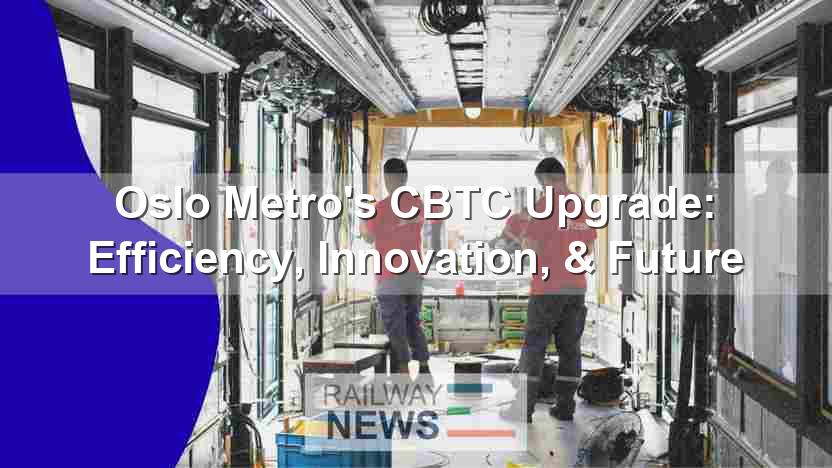
This article analyzes the significant upgrade of Oslo’s metro system through the implementation of a Communication-Based Train Control (CBTC) system by Siemens Mobility. The $304.6 million (€270 million) contract marks a substantial investment in modernizing Norway’s largest metro network, encompassing a complete overhaul of its signaling infrastructure. This transition from legacy signaling to a cutting-edge CBTC system promises to dramatically enhance operational efficiency, increase capacity, and improve the overall passenger experience. We will explore the technological aspects of CBTC, the benefits for Oslo’s metro, the implications for the wider rail industry, and the long-term strategic advantages for Sporveien, the operator of the Oslo Metro and Tramway. The analysis will delve into the specifics of the Siemens solution, including its digital asset management capabilities and the role of data-driven optimization in enhancing maintenance and operational strategies.
The Implementation of CBTC in Oslo’s Metro
The core of the modernization project lies in the replacement of Oslo’s existing signaling system with Siemens Mobility’s CBTC technology across its entire 94km network. CBTC (Communication-Based Train Control) represents a paradigm shift from traditional signaling methods. Instead of relying on trackside signals, CBTC utilizes continuous, real-time communication between the trains and a central control system. This allows for precise control of train movements, significantly increasing operational flexibility and safety. The system’s radio-based architecture provides constant updates on train positions, speeds, and operational status, enabling dynamic adjustments to train schedules and optimizing train flow. This transition positions the Oslo Metro at the forefront of modern railway technology.
Enhanced Capacity and Operational Efficiency
The implementation of CBTC in Oslo is projected to deliver considerable improvements in operational efficiency and passenger capacity. By enabling more precise train spacing and higher operating speeds, CBTC allows for a significant increase in train frequency. The real-time data gathered by the system facilitates proactive management of potential delays, minimizing disruptions and maximizing the utilization of the network’s infrastructure. This enhanced capacity is crucial for Oslo’s growing population and will greatly benefit commuters by reducing wait times and improving overall travel reliability. The Grade of Automation (GoA) level 2 implementation ensures a significant level of automation, further enhancing operational efficiency and reducing reliance on manual control.
Digital Asset Management and Predictive Maintenance
Beyond the immediate improvements in train operations, the Siemens contract includes a crucial component focused on digital asset management. Siemens’ Railigent, a cloud-based platform, will leverage the data generated by the CBTC system to optimize maintenance procedures. By applying predictive analytics, Sporveien can anticipate potential equipment failures and schedule maintenance proactively, minimizing downtime and reducing overall maintenance costs. This shift towards a data-driven approach to maintenance is a crucial aspect of the project, ensuring the long-term sustainability and cost-effectiveness of the upgraded Oslo Metro system. This approach allows for greater resource allocation and a shift from reactive to proactive maintenance practices.
Long-Term Strategic Implications
The Oslo Metro upgrade represents a significant investment not just in infrastructure, but also in future-proofing the system. The adoption of CBTC technology sets a benchmark for other metro systems and highlights the increasing importance of data-driven decision making in railway operations. The 25-year maintenance agreement with Siemens guarantees ongoing support and ensures the continued performance of the system, reducing the operational risks for Sporveien. This long-term partnership fosters a collaborative approach to optimizing the system’s lifespan and performance.
Conclusions
The Siemens Mobility contract for the Oslo Metro’s CBTC upgrade signifies a major advancement in modern railway technology. The project’s scope extends beyond merely replacing an outdated signaling system; it represents a complete modernization of the network, focusing on enhanced capacity, improved efficiency, and proactive maintenance. The implementation of CBTC technology at GoA2 promises significant increases in train frequency and a more reliable commuting experience for Oslo residents. The integration of digital asset management capabilities through Siemens’ Railigent platform ensures a data-driven approach to optimizing maintenance, reducing costs, and maximizing system availability. This modernization effort sets a new standard for metro systems, showcasing the power of integrated technology solutions to enhance operational efficiency, improve passenger experience, and enable future expansion. The long-term partnership with Siemens provides stability and ensures the continued performance and evolution of the Oslo Metro, reinforcing Sporveien’s commitment to a modern and efficient public transportation system. This project serves as a compelling example of how advanced technology can transform urban transportation networks and contribute to a more sustainable and efficient future for cities worldwide. The success of this project will undoubtedly influence other metro systems considering similar upgrades, showcasing the tangible benefits of embracing cutting-edge CBTC technology and integrated digital asset management systems. The strategic investment by Sporveien highlights the importance of long-term planning and proactive modernization in ensuring the efficient and reliable operation of critical urban infrastructure.

Railway infrastructure, rolling stock and transport technologies specialist focused on global rail industry developments, high-speed rail systems, signaling technologies and freight transportation. Covering railway investments, public transport modernization, rail operations and international mobility projects across Europe, Asia and North America.
RELATED POSTS

October 8, 2026 1:15 pm
Alstom secured a €1bn contract to build 13 automated trains,...

October 1, 2026 7:09 am
United States regulators confirmed a September 30 deadline for the...

October 8, 2026 12:18 pm
Siemens Mobility signed an agreement with VinSpeed to supply 350...

October 4, 2026 5:14 pm
Alstom secured a CA$4.7 billion order from VIA Rail Canada...

October 5, 2026 6:12 pm
AECOM and Jacobs secured a contract in September 2026 to...

October 4, 2026 11:08 pm
Sound Transit confirmed the September 30 opening of Seattle Pinehurst...