
NSW Rail Siding: Boosting Freight Efficiency in Riverina
NSW to build $13M rail siding, boosting Riverina freight efficiency.
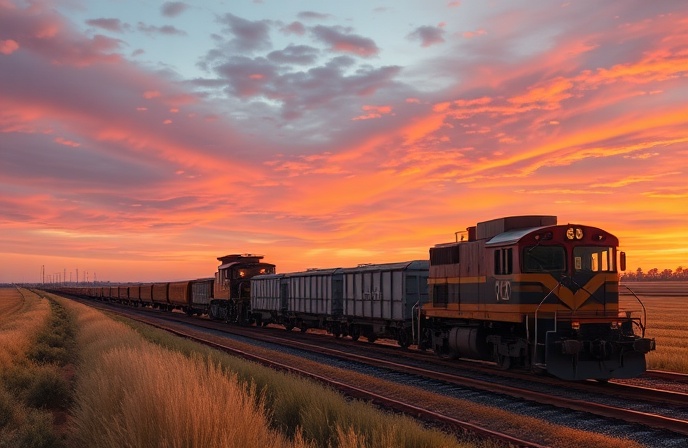
New Rail Siding to Bolster Freight Efficiency in NSW Riverina
The New South Wales (NSW) railway network is set for a significant capacity boost with the announcement of a $13 million contract awarded to Laing O’Rourke for a new rail siding at Wumbulgal, located in the Riverina region. The project, scheduled to commence later this month, will see the construction of a 1,500-metre, multi-user rail siding between Griffith and Leeton. This investment, driven by the NSW Government, aims to alleviate congestion and streamline freight operations. The primary goal is to improve efficiency and reduce loading times for grain trains, addressing a critical bottleneck impacting the region’s vital agricultural sector. This article will delve into the specifics of the project, its strategic importance, and its implications for the future of rail freight in the Riverina.
Addressing Critical Rail Bottlenecks
The Wumbulgal rail siding directly addresses a key challenge in the existing network. Currently, grain trains can experience loading times of up to eight hours, effectively blocking the main line and preventing other trains from passing. This new siding, designed to accommodate trains up to 1.5 kilometres long, provides a crucial solution. It will allow trains to load, park, or pass others without disrupting the main line operations. This strategic infrastructure investment is particularly crucial between Coolamon and Griffith, a section where improved efficiency is a pressing need. The open-access design ensures accessibility for all rail operators, promoting competition and facilitating a more fluid movement of goods across the region.
Boosting Capacity and Operational Efficiency
The primary objective of the Wumbulgal siding is to enhance the capacity and improve operational efficiency of the rail network. By eliminating the congestion caused by lengthy loading times, the siding will facilitate a more streamlined flow of freight. This, in turn, is expected to translate into quicker transit times, reduced operational costs, and a more reliable service for businesses reliant on rail transport. The increased efficiency also opens the door for higher volumes of freight to be transported by rail, supporting the growth of the agricultural sector and broader regional economy. This initiative follows the government’s recent investment of $60 million to upgrade the track between Junee and Griffith, further underlining the government’s commitment to improving efficiency.
Supporting Future Intermodal Connectivity
The Wumbulgal siding project also strategically aligns with future infrastructure developments. It is designed to integrate seamlessly with the proposed Western Riverina Connect (WR Connect) intermodal freight terminal, a project currently under development by Griffith and Leeton councils. This alignment positions the siding as a critical component in a broader network of freight infrastructure, facilitating efficient transport solutions. By linking with an intermodal terminal, the siding will offer enhanced connectivity for producers in the Riverina. This connectivity will further accelerate productivity and efficiency, which will offer greater market access for the region’s agricultural products, in addition to supporting the expansion of other industries in the area.
Government and Industry Collaboration
The project highlights a successful partnership between government and industry stakeholders. Member for Murray Helen Dalton expressed satisfaction with the government’s investment in open-access infrastructure, citing its potential to improve safety, productivity, and efficiencies in partnership with key freight providers, such as MEDLOG. The government’s commitment to providing open access to all train truck companies, represents a significant step forward for business and industry in the Riverina. These collaborative efforts are essential to delivering a robust and efficient freight network. By facilitating open access, the project sets the stage for stimulating investment in faster loading infrastructure and a more competitive freight market.
Conclusion
The construction of the new rail siding at Wumbulgal represents a pivotal investment in the future of rail freight in the Riverina. This initiative addresses immediate operational bottlenecks, supporting the efficiency of the region’s agricultural sector. The project’s strategic alignment with the proposed WR Connect intermodal freight terminal further underscores its long-term significance, paving the way for a more integrated and efficient freight network. The investment strengthens the government’s commitment to a modernized rail infrastructure. These improvements in transit times, operational costs, and overall reliability enhance the area’s capacity to facilitate increased freight volumes. The Wumbulgal siding provides a substantial win for Riverina producers and strengthens the region’s position in the broader economy, setting a positive precedent for further development. This investment is a good example of how the government is building and providing the essential infrastructure to drive the economy forward.

Railway infrastructure, rolling stock and transport technologies specialist focused on global rail industry developments, high-speed rail systems, signaling technologies and freight transportation. Covering railway investments, public transport modernization, rail operations and international mobility projects across Europe, Asia and North America.
RELATED POSTS

October 8, 2026 1:15 pm
Alstom secured a €1bn contract to build 13 automated trains,...

October 6, 2026 2:14 am
Union Pacific launched export rail shipments with Ferromex to deliver...

October 4, 2026 11:08 pm
Sound Transit confirmed the September 30 opening of Seattle Pinehurst...

October 5, 2026 6:12 pm
AECOM and Jacobs secured a contract in September 2026 to...

October 1, 2026 10:14 am
HS2 installed a 55-metre steel span in Birmingham, completing phase...

October 6, 2026 12:16 am
FTA awarded $233 million in grants to eight US rail...