
Northern City Line Digital Signalling: UK Rail Tech Transformation
UK’s Northern City Line adopts digital signalling, a major railway modernization. ETCS implementation boosts safety, efficiency, and capacity.
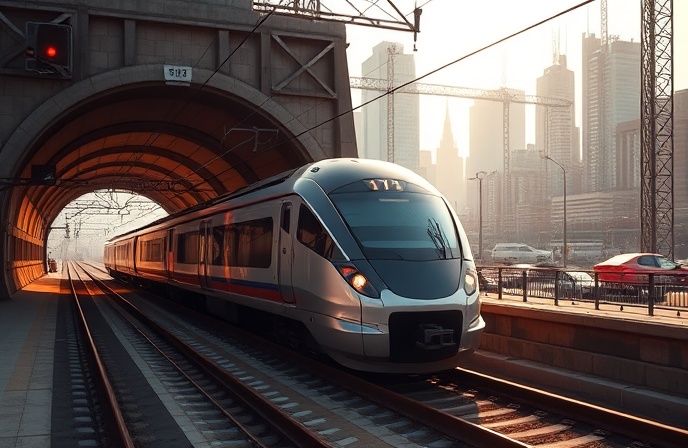
Northern City Line Pioneers Digital Signalling Revolutionizing UK Commuter Rail
The UK railway landscape has entered a new era. On July 23, 2025, the Northern City Line, operated by Govia Thameslink Railway (GTR), became the first commuter route in the UK to be fully controlled by in-cab digital signalling, marking a pivotal moment in the advancement of rail technology. This innovative transition, part of the £1.4 billion government-funded East Coast Digital Programme (ECDP), represents a significant shift from traditional lineside signals to a more efficient and resilient system. Rail Minister Lord Hendy, alongside industry leaders, witnessed the change firsthand, travelling the route from Moorgate to Finsbury Park. This article explores the implementation, benefits, and implications of this groundbreaking technology, examining who is involved, what was done, when it happened, where it took place, why it’s important, and how the transformation was achieved. The shift to digital signalling promises improved performance, enhanced safety, and a modernized railway network under the stewardship of Great British Railways (GBR), setting a precedent for future railway upgrades across the UK.
Implementing the European Train Control System (ETCS)
The cornerstone of this transformation is the European Train Control System (ETCS), a crucial component of the ECDP. ETCS replaces the traditional lineside signals with in-cab signalling. This system provides drivers with real-time information on speed and distance, displayed directly on a screen within the train’s cab. The Class 717 trains, supplied by Siemens Mobility UK&I, are the first passenger fleet to operate with ETCS digital signalling. This means the drivers have better awareness and control to enhance safety and reduce delays. This approach simplifies trackside infrastructure and improves capacity. By removing the need for fixed signal posts, maintenance efforts are significantly reduced, which translates to operational cost savings and increased reliability. This is a key element in the government’s “Plan for Change,” focused on bringing railways into the 21st century with a more future-proof network.
Benefits of Digital Signalling: Efficiency, Safety, and Capacity
The transition to digital signalling offers a multitude of advantages. Digital signalling is touted as being more cost-effective, safer, and more environmentally friendly than traditional systems. With ETCS in place, the system’s automated elements provide greater operational efficiency through improved train spacing, leading to enhanced capacity. The anticipated reduction in delays by up to one-third is a key driver of this modernization effort. Safety is also enhanced by the continuous monitoring and control provided by the in-cab system, providing real-time visibility of train speed and location. The technology also has a lower environmental footprint by reducing infrastructure needs and promoting energy-efficient operation.
Collaboration and Industry Integration
The successful implementation of the Northern City Line digital signalling is a testament to the strong collaboration between various industry partners. Network Rail’s Eastern region, GTR, GBRX, and Siemens Mobility have all played critical roles in planning, execution, and ongoing support of the new system. The efforts of signallers, controllers, and maintainers were crucial in making the transition successful. GBRX, which is playing a critical role in this development, recognizes the Northern City Line pathfinder as an important step towards digital railway modernization. This collaborative model is expected to be replicated as the ECDP continues its rollout, with the East Coast Main Line (ECML) set to see digitally signalled services launch next year.
The Future of UK Railways
The Northern City Line project marks the beginning of a significant transformation in the UK’s railway infrastructure. This digital initiative is set to reshape the entire network. The broader goal is to modernise the national rail network through digital innovation and deeper industry integration under Great British Railways (GBR). The early success of the Northern City Line demonstrates the effectiveness of ETCS in a busy commuter environment and sets the stage for similar upgrades across the rail network. The East Coast Digital Programme has the potential to transform rail travel, with wider applications that will continue to improve service reliability and increase the railway’s capacity, connecting communities. This investment in technology promises a more efficient, safer, and sustainable railway for the future.
Conclusion
The implementation of in-cab digital signalling on the Northern City Line represents a watershed moment for the UK’s commuter railways. The project showcases how digital technology can revolutionize railway operations, increasing efficiency, safety, and capacity. This initiative aligns with the government’s commitment to modernizing the rail network through the ECDP, which aims to reduce delays and enhance connectivity. The success of this pioneering project, supported by collaborative industry efforts, promises to shape the future of rail travel in the UK. The shift to digital signalling provides valuable lessons and a practical blueprint for similar projects across the network. As the ECDP continues its rollout, the UK can anticipate further improvements in its rail services, setting a benchmark for modern railway operation.
Company Summary
Govia Thameslink Railway (GTR): GTR operates Great Northern services and plays a pivotal role in the digital transformation of the UK’s commuter rail network. GTR, a key operator within the Go-Ahead Group, is focused on providing reliable and efficient passenger services while adapting to technological advancements.
Siemens Mobility UK&I: Siemens Mobility is a leading provider of railway technology, including signalling systems and rolling stock. Siemens Mobility UK&I supplied the Class 717 trains, equipped with ETCS, for the Northern City Line, aiding the integration of digital signalling technologies. Their expertise and solutions are crucial to the advancement of the rail transport sector.

Railway infrastructure, rolling stock and transport technologies specialist focused on global rail industry developments, high-speed rail systems, signaling technologies and freight transportation. Covering railway investments, public transport modernization, rail operations and international mobility projects across Europe, Asia and North America.
RELATED POSTS

October 8, 2026 1:15 pm
Alstom secured a €1bn contract to build 13 automated trains,...

October 1, 2026 7:09 am
United States regulators confirmed a September 30 deadline for the...

October 8, 2026 12:18 pm
Siemens Mobility signed an agreement with VinSpeed to supply 350...

October 4, 2026 5:14 pm
Alstom secured a CA$4.7 billion order from VIA Rail Canada...

October 5, 2026 6:12 pm
AECOM and Jacobs secured a contract in September 2026 to...

October 1, 2026 12:13 am
Illinois approved $1.5 billion annually for the Northern Illinois Transit...