
CSX Launches First Locomotive Service Truck Toledo Ohio
CSX launched its first company-owned locomotive service truck in Toledo, Ohio, cutting routine servicing to one hour, saving millions.
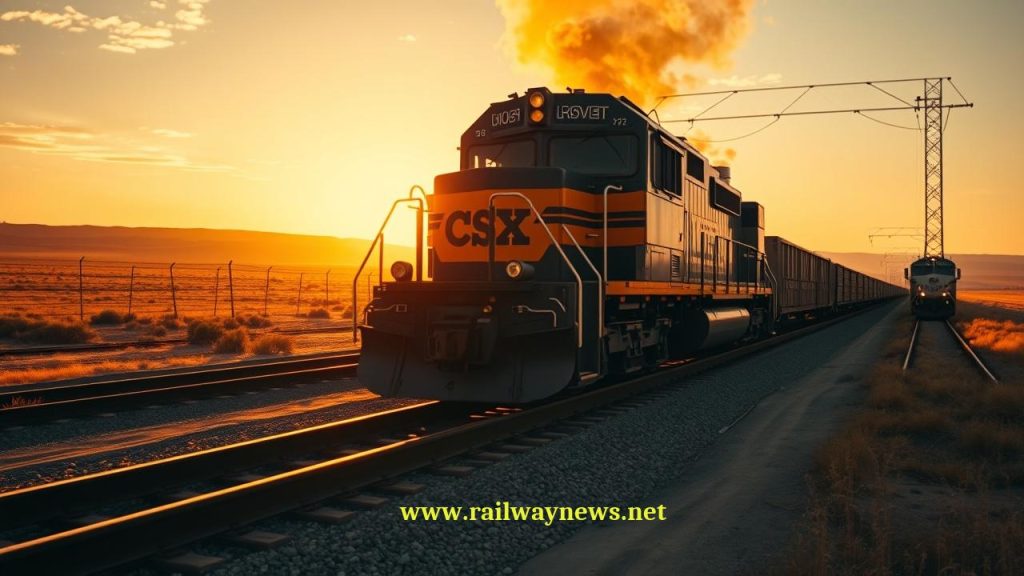
⚡ In Brief: CSX has deployed its first company-owned locomotive service truck in its Toledo, Ohio zone, an insourcing initiative that reduces routine locomotive servicing time to about one hour and is projected to save millions of dollars annually across its network.
TOLEDO, USA – CSX has launched its first internally owned and operated locomotive service truck in the Toledo Zone, Ohio, replacing a previous contractor-based model. The new mobile unit allows mechanical teams to service locomotives directly on the line of road, completing tasks in approximately one hour. This program currently supports 16 locations and is part of a wider insourcing effort generating millions in annualized savings.
What Are the Operational Specifications?
The mobile servicing solution enables on-site locomotive maintenance, eliminating the need to route units to a central depot for routine tasks. The primary function of the truck, staffed by CSX mechanical employees, is to perform preventative maintenance and fluid top-offs directly in the field. This operational shift has reduced locomotive downtime for these services from what was often a multi-hour or full-day shop cycle to a 60-minute field appointment, directly increasing asset availability for revenue service.
Key Technical Data
| Parameter | Value |
|---|---|
| Technology / System Name | In-house Mobile Locomotive Servicing |
| Total Value | Millions of dollars in annualized savings (Specific figure not disclosed) |
| Parties Involved | CSX Mechanical Department |
| Timeline / Completion | Operational |
| Country / Corridor | USA / CSX Toledo Zone, Ohio |
Where Does This Technology Stand in the Market?
CSX’s adoption of an in-house mobile servicing model aligns with a long-standing Class I railroad strategy to maximize asset velocity, a core tenet of Precision Scheduled Railroading (PSR). Competitors such as Union Pacific and BNSF have operated extensive mobile maintenance fleets for years to conduct preventative work and minor repairs in the field. The key differentiator in the CSX initiative is the explicit strategic shift from an outsourced contractor to an internal workforce for this function, which provides greater control over costs and service quality. This approach contrasts with sectors like UK rail, which are still working toward integrating infrastructure and rolling stock planning to achieve similar efficiencies. (Source: Railway Pro, 2026).
Editor’s Analysis
This insourcing of mobile locomotive maintenance is a tactical move by CSX to defend margins amid challenging market conditions. With freight volumes softening and new railcar demand declining, operators are under intense pressure to extract maximum efficiency from existing assets. By taking direct control of this maintenance function, CSX reduces third-party costs and minimizes non-revenue equipment movements, directly improving locomotive productivity and financial performance in a volatile logistics market. (Source: TradingView, GlobeSt).
FAQ
Q: What specific tasks does the new service truck perform?
A: The truck allows CSX mechanical employees to perform routine engine servicing, including fluid replenishment, inspections, and other minor preventative maintenance tasks directly on the main line. This avoids the operational delay of routing a locomotive to a dedicated service center.
Q: How much money is CSX saving with this change?
A: The company stated the network-wide insourcing effort generates “millions of dollars annualized savings,” but the specific financial breakdown for the Toledo truck or its initial capital cost was not disclosed.
Q: Is this a new strategy for Class I railroads?
A: While mobile servicing itself is a common practice for major railroads like Union Pacific, CSX’s public emphasis on insourcing this capability from a third-party contractor is a notable strategic decision. It signals a focus on vertically integrating core maintenance functions for greater cost and quality control.

Railway infrastructure, rolling stock and transport technologies specialist focused on global rail industry developments, high-speed rail systems, signaling technologies and freight transportation. Covering railway investments, public transport modernization, rail operations and international mobility projects across Europe, Asia and North America.
RELATED POSTS

October 8, 2026 1:15 pm
Alstom secured a €1bn contract to build 13 automated trains,...

October 1, 2026 7:09 am
United States regulators confirmed a September 30 deadline for the...

October 8, 2026 12:18 pm
Siemens Mobility signed an agreement with VinSpeed to supply 350...

October 4, 2026 5:14 pm
Alstom secured a CA$4.7 billion order from VIA Rail Canada...

October 5, 2026 6:12 pm
AECOM and Jacobs secured a contract in September 2026 to...

October 4, 2026 11:08 pm
Sound Transit confirmed the September 30 opening of Seattle Pinehurst...