
U.S. Senate Launches Railway Safety Act 2026 Mandates
United States senators reintroduced the Railway Safety Act of 2026, mandating new technology and increased fines after the 2023 Norfolk Southern derailment.
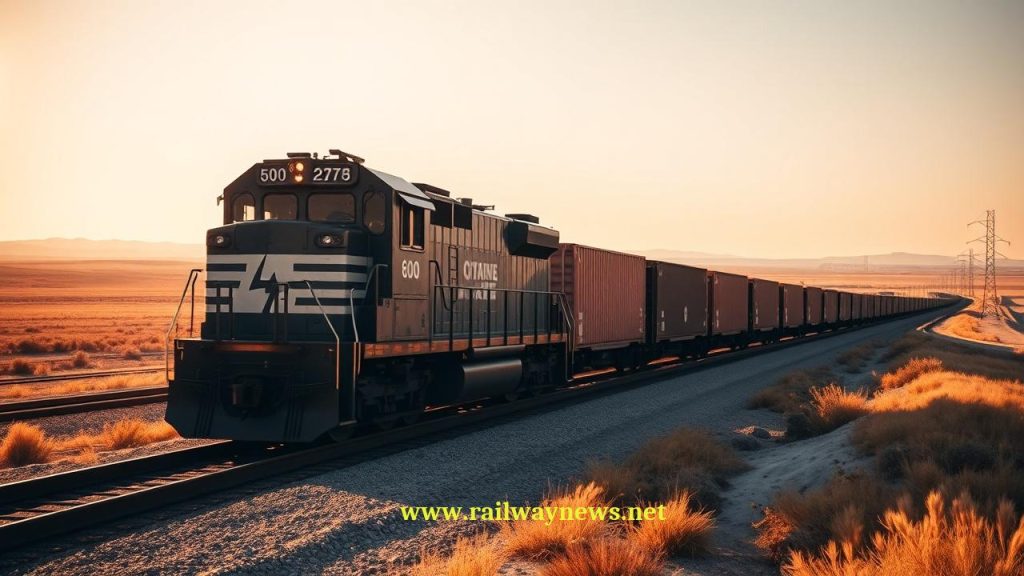
⚡ In Brief: A bipartisan group of eight U.S. senators reintroduced the Railway Safety Act of 2026, aiming to increase fines and mandate new safety technology following the 2023 Norfolk Southern derailment in East Palestine, Ohio.
WASHINGTON D.C. – A bipartisan group of U.S. senators, including Maria Cantwell (D-Wash.) and Jon Husted (R-Ohio), has reintroduced the Railway Safety Act of 2026. The legislation follows a similar 2023 bill that stalled and seeks to impose stricter safety standards on freight railroads transporting hazardous materials. The bill’s provisions include mandating new technology and increasing financial penalties for safety violations.
What Does This Regulation Cover?
The proposed Railway Safety Act of 2026 focuses on three primary areas to prevent future incidents similar to the 2023 East Palestine derailment. It would require railroads to deploy specific safety technologies, such as advanced wayside defect detectors, to identify equipment failures proactively. The legislation also aims to hold large railroad companies more accountable by significantly increasing the maximum fines for safety violations and establishes higher safety standards for any train transporting hazardous materials.
Key Regulatory Data
| Parameter | Value |
|---|---|
| Regulation / Policy Name | Railway Safety Act of 2026 |
| Total Value | Not applicable; cost of compliance not disclosed |
| Parties Involved | U.S. Senate (bipartisan group), U.S. freight railroads |
| Timeline / Completion | Not disclosed |
| Country / Corridor | United States |
How Does This Compare to Global Standards?
The proposed U.S. legislation targets specific operational gaps, whereas European regulations are often more systemic. In the European Union, the transport of dangerous goods is governed by the RID regulations, which are integrated into a detailed Safety Management System that each railway undertaking must have certified. The European Union Agency for Railways (ERA) promotes a unified approach to safety, unlike the U.S. system where new mandates often follow specific incidents. While the U.S. previously mandated Positive Train Control (PTC) for collision avoidance, this new act focuses more on mechanical failure detection, an area where European standards for wagon maintenance and inspection are highly prescriptive. (Source: European Union Agency for Railways, 2024).
Editor’s Analysis
This legislative push for increased operational and capital expenditure comes at a challenging time for Class I railroads. The industry is facing softening freight demand and lower intermodal rates, which could pressure capital budgets needed for compliance. (Source: GlobeSt.com, 2026). Additionally, with new-build railcar demand already declining, as seen in FreightCar America’s 2025 delivery figures, the additional cost burden from this regulation could accelerate the retirement of older, non-compliant rolling stock and influence future procurement strategies.
FAQ
Q: Why was the Railway Safety Act reintroduced?
A: The bill was reintroduced because an earlier version from 2023, proposed after the Norfolk Southern derailment in East Palestine, Ohio, passed the Senate Commerce Committee but failed to get a full vote on the Senate floor. The eight sponsoring senators aim to address the safety concerns raised by that incident.
Q: What specific technologies does the bill mandate?
A: The legislation mandates the deployment of technology like wayside defect detectors to prevent accidents, but specific performance standards were not detailed in the announcement. The objective is to proactively identify equipment failures, such as the overheated wheel bearing that caused the East Palestine derailment, before they become catastrophic.
Q: How will this affect railroad company finances?
A: If passed, the act would increase capital and operational costs for railroads through mandatory technology upgrades and higher potential fines for violations. The exact financial impact has not been officially disclosed by the sponsors or industry groups.

Railway infrastructure, rolling stock and transport technologies specialist focused on global rail industry developments, high-speed rail systems, signaling technologies and freight transportation. Covering railway investments, public transport modernization, rail operations and international mobility projects across Europe, Asia and North America.
RELATED POSTS

October 1, 2026 7:09 am
United States regulators confirmed a September 30 deadline for the...

October 8, 2026 1:15 pm
Alstom secured a €1bn contract to build 13 automated trains,...

October 4, 2026 5:14 pm
Alstom secured a CA$4.7 billion order from VIA Rail Canada...

October 1, 2026 12:13 am
Illinois approved $1.5 billion annually for the Northern Illinois Transit...

October 6, 2026 2:14 am
Union Pacific launched export rail shipments with Ferromex to deliver...

October 1, 2026 6:10 am
Amtrak approved a System Expansion Committee on July 30 to...