
Nexrail: Leading Europe’s Hybrid Rail Revolution
The European rail industry is undergoing a transformation driven by sustainability concerns, with companies like Nexrail pioneering the adoption of hybrid technologies, aiming for zero-emission operations to meet climate change targets.
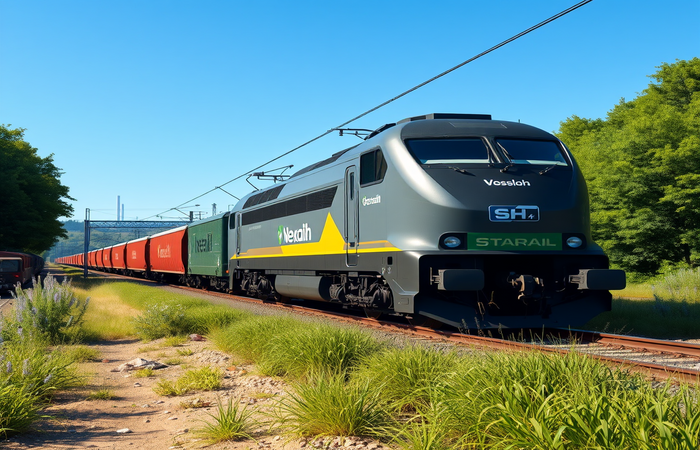
The European rail industry is undergoing a significant transformation, driven by the pressing need for sustainable transport solutions. This shift, fueled by climate change concerns, stringent emission regulations, and the broader global push for decarbonization, is reshaping the landscape of rolling stock and operational strategies. At the forefront of this green revolution stands companies like Nexrail, a Luxembourg-based locomotive leasing firm, which is pioneering the adoption of hybrid and battery-powered technologies. Their strategic initiatives, exemplified by the deployment of hybrid locomotives such as the DE18 Stage V Smart Hybrid (SH), are aimed at achieving zero-emission operations and represent a bold step towards a cleaner and more efficient rail network. This article explores Nexrail’s innovative approach, its impact on the rail sector, and the broader implications for sustainable transportation in Europe.
The Imperative for Sustainable Rail
The rail sector in Europe is under increasing pressure to decarbonize its operations. With the European Union setting an ambitious target to reduce transport emissions by 90% by 2050, the rail industry, already considered the greenest mode of land transport, is critical to achieving this goal. However, diesel locomotives still account for a significant portion of the energy used by rail in Europe, highlighting the need for innovative solutions. Nexrail is addressing this challenge by deploying hybrid locomotive technologies, such as the DE18 V SH, built by Vossloh Locomotives. These hybrid locomotives offer a practical bridge between traditional diesel technology and the future of fully electric rail freight, and is the key for the rail network.
The DE18 Stage V Smart Hybrid: A Technological Leap
The DE18 V SH hybrid locomotive represents a significant advancement in rail technology. This “smart” hybrid is equipped with a Stage V compliant diesel engine, energy storage systems, and the capability to operate in full battery mode. The modular design allows for seamless switching between diesel-electric and battery-electric modes, resulting in substantial reductions in fuel consumption and noise pollution. The DE18 V SH also meets stringent EU emission standards, significantly reducing particulate matter emissions compared to older models. This is especially important in urban and industrial environments. The locomotive has authorization to operate in key European countries, including France, Belgium, and Luxembourg, with further expansions planned. The DE18 SH offers operational flexibility while laying the foundation for zero-emission operations.
Nexrail’s Decarbonization Strategy and Partnerships
Nexrail’s strategy for decarbonization is implemented in phases. In the short term, hybrid units like the DE18 V SH are deployed to reduce emissions and enhance operational agility. In the mid-term, there are plans to expand battery-electric range and storage capabilities to support longer zero-emission journeys. In the long term, the company aims to transition to fully battery-electric locomotives as infrastructure and technologies mature. Strategic partnerships are central to Nexrail’s approach. These collaborations include relationships with OEMs like Vossloh, rail operators, and public bodies. They are also working to certify fleets for HVO (hydrotreated vegetable oil) biodiesel and exploring dual-mode technologies. This aligns with the EU’s financial support for rail tech, which prioritizes electrification and hybrid solutions.
Impact and Future Prospects
The adoption of hybrid locomotives holds significant benefits for the rail industry and the environment. From an economic perspective, reduced fuel costs can lower operating expenses for freight operators. Environmentally, hybrid technology can contribute to reducing rail’s share of EU transport emissions, supporting the 90% reduction target. Additionally, the use of battery mode can reduce noise pollution, which is especially important in urban areas. Nexrail, under the direction of Michel Mink – van Delft, is driving innovation and environmental stewardship. The company’s model offers a market-ready pathway to greener freight and infrastructure services. With backing from industry partnerships and regulatory support, Nexrail is well-positioned to lead the decarbonization of Europe’s rail network, although success will depend on overcoming infrastructure and funding challenges.
Conclusion
Nexrail’s commitment to hybrid and battery-powered locomotive technology is a testament to the evolving needs of the rail industry. The company’s proactive approach to reducing emissions, enhancing operational efficiency, and embracing sustainable solutions positions it as a key player in Europe’s green transition. The DE18 V SH locomotive is not just a technological innovation; it is a practical solution that addresses the immediate challenges of reducing emissions while paving the way for a fully electric future. The strategic partnerships and phased approach to decarbonization employed by Nexrail demonstrate a detailed understanding of the complexities of the rail sector. The potential benefits, from reduced fuel costs to improved environmental outcomes, underscore the importance of this transformative journey. As the European Union intensifies its efforts to meet its ambitious climate targets, the innovative efforts of companies like Nexrail will be crucial. Their leadership in deploying hybrid and battery-powered locomotives offers a viable pathway toward a more sustainable and efficient rail transport system. Looking ahead, the success of Nexrail and similar firms will be instrumental in achieving the goal of a zero-emission rail network across Europe, contributing significantly to the broader fight against climate change.
Summary of Companies Mentioned:
- Nexrail: A Luxembourg-based locomotive leasing firm focused on sustainable rail solutions, including hybrid and battery-powered locomotives.
- Vossloh Locomotives: A manufacturer of rail vehicles, including the DE18 V SH hybrid locomotive, which is a key component of Nexrail’s fleet.
- Stadler: A rolling stock manufacturer, collaborating with Nexrail on dual-mode technologies.

Railway infrastructure, rolling stock and transport technologies specialist focused on global rail industry developments, high-speed rail systems, signaling technologies and freight transportation. Covering railway investments, public transport modernization, rail operations and international mobility projects across Europe, Asia and North America.
RELATED POSTS

October 1, 2026 7:09 am
United States regulators confirmed a September 30 deadline for the...

October 8, 2026 1:15 pm
Alstom secured a €1bn contract to build 13 automated trains,...

October 4, 2026 5:14 pm
Alstom secured a CA$4.7 billion order from VIA Rail Canada...
October 1, 2026 10:14 am
HS2 installed a 55-metre steel span in Birmingham, completing phase...
October 1, 2026 3:12 am
Greenbrier confirmed Brian Comstock as new president and CEO effective...

October 5, 2026 6:12 pm
AECOM and Jacobs secured a contract in September 2026 to...