
Nevomo’s Maglev Revolution: 750m Test Track Launched
The collaboration between Nevomo and Plastwil for the construction of a 750-meter magrail test track represents a crucial step forward in advancing high-speed rail technology, specifically focusing on passive magnetic levitation systems. This initiative underscores the potential of magrails to revolutionize transportation by offering sustainable and efficient alternatives to traditional rail systems.
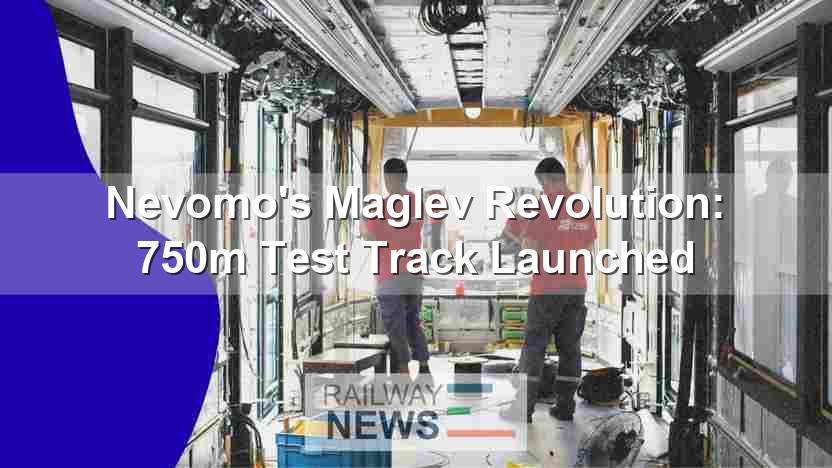
This article explores the significant collaboration between Nevomo, a Polish Maglev (magnetic levitation) technology developer, and Plastwil, a leading manufacturer of railway components, in constructing a substantial test track for the innovative magrail system. The partnership highlights the crucial role of infrastructure development in advancing high-speed rail technology. The construction of this 750-meter test track, the longest of its kind in Europe dedicated to passive magnetic levitation, represents a major step towards commercializing this promising technology. This initiative underscores the potential of magrail to revolutionize high-speed rail transportation, offering a sustainable and efficient alternative to traditional rail systems. The article will delve into the specifics of the collaboration, examining the contributions of both companies and analyzing the broader implications of this project for the future of rail transport.
The Nevomo-Plastwil Partnership: A Crucial Step in Maglev Development
The agreement between Nevomo and Plastwil (and its subsidiary Plastwil de Bonte) marks a pivotal point in the development of Nevomo’s magrail technology. Plastwil’s contribution extends beyond simply supplying materials; their expertise in designing and manufacturing high-quality prestressed concrete sleepers and rail fastening systems is indispensable. The selection of Plastwil underscores the importance of robust and reliable infrastructure components in ensuring the safe and efficient operation of a high-speed Maglev system. The use of prestressed concrete sleepers provides a stable and durable foundation for the track, crucial for mitigating the dynamic forces generated by high-speed trains. The specified fastening systems will need to meet rigorous performance standards to maintain track geometry and ensure passenger safety at speeds up to 550 kph (kilometers per hour).
The 750-meter Test Track: A Platform for Innovation
The construction of a 750-meter test track in Nowa Sarzyna, Poland, represents a significant investment in research and development. This facility will provide Nevomo with a real-world environment to rigorously test various aspects of the magrail system, including the interaction between the train and the track, energy consumption, and overall system performance under different operating conditions. The scale of the project—the longest passive magnetic levitation test track in Europe—demonstrates Nevomo’s commitment to thorough testing and validation before wider deployment. The data gathered during these tests will be crucial in refining the magrail technology and addressing any potential challenges before commercialization.
Magrail Technology: A Vision for the Future of High-Speed Rail
Nevomo’s magrail technology represents a new generation of high-speed rail, aiming for speeds up to 550 kph. Unlike traditional Maglev systems that require significant energy input to maintain levitation, magrail utilizes a passive magnetic levitation system, potentially offering enhanced energy efficiency. This technology promises a significant reduction in travel times and a more sustainable mode of transportation compared to existing rail and air travel alternatives. The success of magrail hinges not only on the technology itself but also on the development of a robust and reliable supporting infrastructure, precisely what the collaboration with Plastwil addresses.
Supporting Industries and the Future of Rail Transport
The involvement of other companies like IDOM (engineering), CIECH Sarzyna (chemical industry), Transfer Multisort Elektronik (electronics), and the Railway Institute further highlights the collaborative nature of this project and the wider ecosystem required to bring innovative rail technologies to fruition. This multi-faceted approach signifies a broader commitment to the advancement of sustainable high-speed rail transportation. The success of this project will likely stimulate further investment in similar technologies and help pave the way for a significant shift towards more efficient and environmentally friendly transportation solutions. The integration of expertise from diverse sectors underscores the complex engineering challenges and opportunities inherent in developing advanced rail systems.
Conclusions
The partnership between Nevomo and Plastwil, culminating in the construction of a substantial 750-meter magrail test track, is a pivotal moment for the development of high-speed, passive magnetic levitation rail technology. Plastwil’s contribution of high-quality prestressed concrete sleepers and rail fastening systems is vital to ensuring the successful operation of this innovative system. The scale of the test track, unprecedented in Europe for passive magnetic levitation, underscores the seriousness of the project and the commitment to rigorous testing. The technological advancements represented by magrail, potentially achieving speeds up to 550 kph, offer a compelling alternative to existing transportation methods, promising significant reductions in travel time and a more sustainable approach to long-distance travel. The collaborative effort involving numerous companies from various sectors demonstrates the complex interplay required for bringing such advanced infrastructure to market. The success of this project will not only advance magrail technology but will also serve as a catalyst for further innovation and investment in sustainable high-speed rail solutions. The long-term implications extend beyond mere transportation, impacting economic development, environmental sustainability, and potentially reshaping global travel patterns. The lessons learned from this test track will be invaluable in the continued development and eventual commercial deployment of this exciting and potentially transformative technology. The focus on collaboration and the integration of expertise from diverse sectors will prove crucial in navigating the complexities inherent in realizing such ambitious technological advancements.

Railway infrastructure, rolling stock and transport technologies specialist focused on global rail industry developments, high-speed rail systems, signaling technologies and freight transportation. Covering railway investments, public transport modernization, rail operations and international mobility projects across Europe, Asia and North America.
RELATED POSTS

October 8, 2026 1:15 pm
Alstom secured a €1bn contract to build 13 automated trains,...

October 1, 2026 7:09 am
United States regulators confirmed a September 30 deadline for the...

October 8, 2026 12:18 pm
Siemens Mobility signed an agreement with VinSpeed to supply 350...

October 4, 2026 5:14 pm
Alstom secured a CA$4.7 billion order from VIA Rail Canada...

October 5, 2026 6:12 pm
AECOM and Jacobs secured a contract in September 2026 to...

October 4, 2026 11:08 pm
Sound Transit confirmed the September 30 opening of Seattle Pinehurst...