
Network Rail’s £43.1bn CP7 Plan: A Rail Revolution?
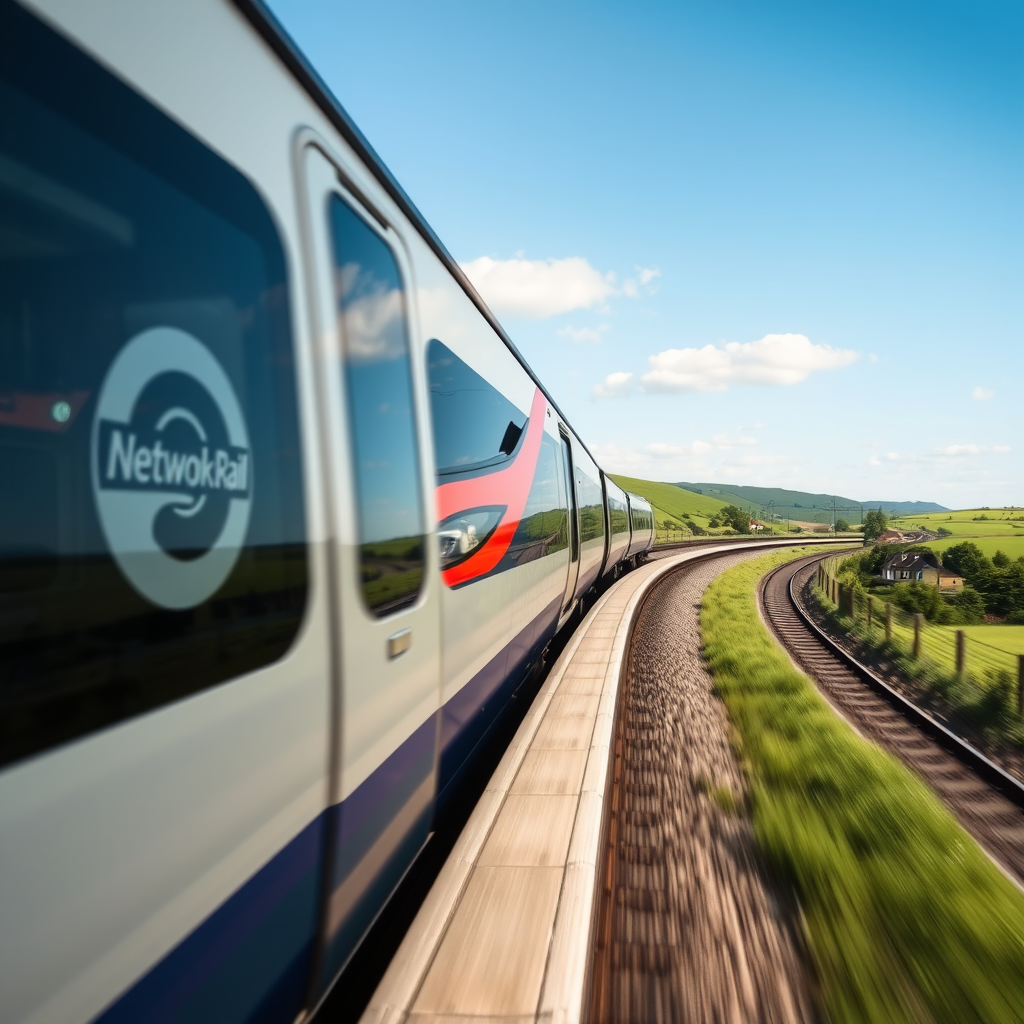
The recently approved five-year financial plan (£43.1 billion or $52.5 billion USD) for Network Rail (NR), the UK’s publicly owned rail infrastructure manager, covers Control Period 7 (CP7) from April 2024 to March 2029 and signifies a crucial step in shaping the future of the UK’s railway network, impacting passenger and freight services, infrastructure modernization, and environmental sustainability.
Introduction
This article explores the recently approved five-year financial plan (£43.1 billion or $52.5 billion USD) for Network Rail (NR), the UK’s publicly owned rail infrastructure manager, covering Control Period 7 (CP7) from April 2024 to March 2029. The Office of Rail and Road (ORR), the UK’s independent rail regulator, has given its final approval after a rigorous two-year assessment and revisions to NR’s initial proposals. This approval signifies a crucial step in shaping the future of the UK’s railway network, impacting passenger and freight services, infrastructure modernization, and environmental sustainability. The subsequent sections will examine the key aspects of the approved plan, highlighting the regulatory oversight, financial implications, planned investments, and the challenges and opportunities ahead for Network Rail and the wider rail industry. The analysis will consider the ORR’s stipulations for improved performance, maintenance, and risk management, as well as the commitment to environmental targets and efficiency gains. The focus will be on understanding the long-term implications of this significant financial commitment and its impact on the overall effectiveness and resilience of the UK rail system.
Regulatory Oversight and Plan Revisions
The ORR’s approval of Network Rail’s CP7 plan followed a detailed review process. The initial proposal faced scrutiny, prompting the ORR to request significant revisions, particularly concerning train performance and asset maintenance. The regulator’s draft determination in June emphasized the need for increased investment in core infrastructure maintenance to improve reliability and reduce delays. The ORR’s final determination included specific commitments from Network Rail, demanding enhancements to support freight operations, maintaining substantial risk funding (£1.5 billion in England and Wales and £225 million in Scotland), and a 20% reduction in carbon emissions by 2029. This demonstrates the ORR’s proactive role in ensuring accountability and performance within the rail industry. The revised plan reflects a collaborative effort between Network Rail and the ORR, leading to a more robust and customer-focused strategy.
Financial Implications and Investment Priorities
The £43.1 billion budget allocated for CP7 represents a substantial investment in the UK’s railway infrastructure. A significant portion of this funding is earmarked for enhancing safety, boosting train performance through infrastructure upgrades and improved maintenance, and introducing new technologies to modernize the rail network. The plan also includes a considerable commitment to tackling climate change, reflecting growing concerns about environmental sustainability within the industry. Alongside these investments, Network Rail has committed to achieving £3.6 billion in efficiency savings. This demonstrates a strategic approach balancing infrastructure improvement, technological advancement, environmental responsibility, and cost management within the allocated budget.
Challenges and Opportunities
Despite the ORR’s approval and Network Rail’s commitment to the revised plan, challenges remain. Balancing ambitious investment goals with the need for cost efficiencies will be crucial. The plan’s success hinges on effective project management, ensuring timely completion of projects within budget, and mitigating potential risks. Additionally, integrating new technologies and ensuring seamless operational transitions will require careful planning and execution. However, the substantial investment presents significant opportunities to enhance the UK rail network’s capacity, reliability, and sustainability. Successfully implementing the plan can lead to improved passenger and freight services, increased network efficiency, and a more environmentally responsible rail sector. The plan also offers opportunities to strengthen the UK’s supply chain and create new employment opportunities in the rail industry.
Conclusion
The ORR’s approval of Network Rail’s £43.1 billion CP7 plan marks a significant milestone for the UK’s railway system. This detailed plan, developed following a rigorous regulatory review and incorporating significant revisions, represents a substantial commitment to upgrading infrastructure, improving performance, and enhancing sustainability. The plan’s success rests on achieving a delicate balance between substantial investments in upgrades and modernization with significant efficiency gains. The detailed focus on improving train performance, enhancing freight operations, bolstering risk funding, and significantly reducing carbon emissions demonstrates a multifaceted approach to improving the UK’s rail network. While the implementation of the plan undoubtedly presents significant challenges, including effective project management, risk mitigation, and technological integration, the potential benefits are considerable. Successful execution promises a more reliable, efficient, and environmentally friendly rail system, benefiting passengers, freight operators, and the wider economy. The plan’s successful implementation will depend heavily on the collaborative efforts of Network Rail, the ORR, train operating companies, and all stakeholders across the supply chain. The level of transparency and ongoing communication between these entities will be crucial in ensuring that this ambitious plan achieves its full potential. The ongoing monitoring by the ORR will be essential in keeping the project on track and measuring performance against the specified targets. To summarize, the approved plan represents a significant investment in the future of the UK’s railway system and the successful execution of its commitments has the potential to transform the national rail network into a more efficient, sustainable, and reliable asset for all users.

Railway infrastructure, rolling stock and transport technologies specialist focused on global rail industry developments, high-speed rail systems, signaling technologies and freight transportation. Covering railway investments, public transport modernization, rail operations and international mobility projects across Europe, Asia and North America.
RELATED POSTS

October 8, 2026 1:15 pm
Alstom secured a €1bn contract to build 13 automated trains,...

October 1, 2026 7:09 am
United States regulators confirmed a September 30 deadline for the...

October 8, 2026 12:18 pm
Siemens Mobility signed an agreement with VinSpeed to supply 350...

October 4, 2026 5:14 pm
Alstom secured a CA$4.7 billion order from VIA Rail Canada...

October 5, 2026 6:12 pm
AECOM and Jacobs secured a contract in September 2026 to...

October 4, 2026 11:08 pm
Sound Transit confirmed the September 30 opening of Seattle Pinehurst...