
Etihad Rail: Jordan’s $2.3B Railway Revolution
This article discusses Etihad Rail’s ambitious $2.3 billion project to develop a 360-kilometer railway line in Jordan, connecting phosphate and potash mines to the Port of Aqaba, with significant economic benefits for Jordan’s logistics, mining, and job creation sectors while also promoting environmental sustainability through advanced technologies and operational strategies.
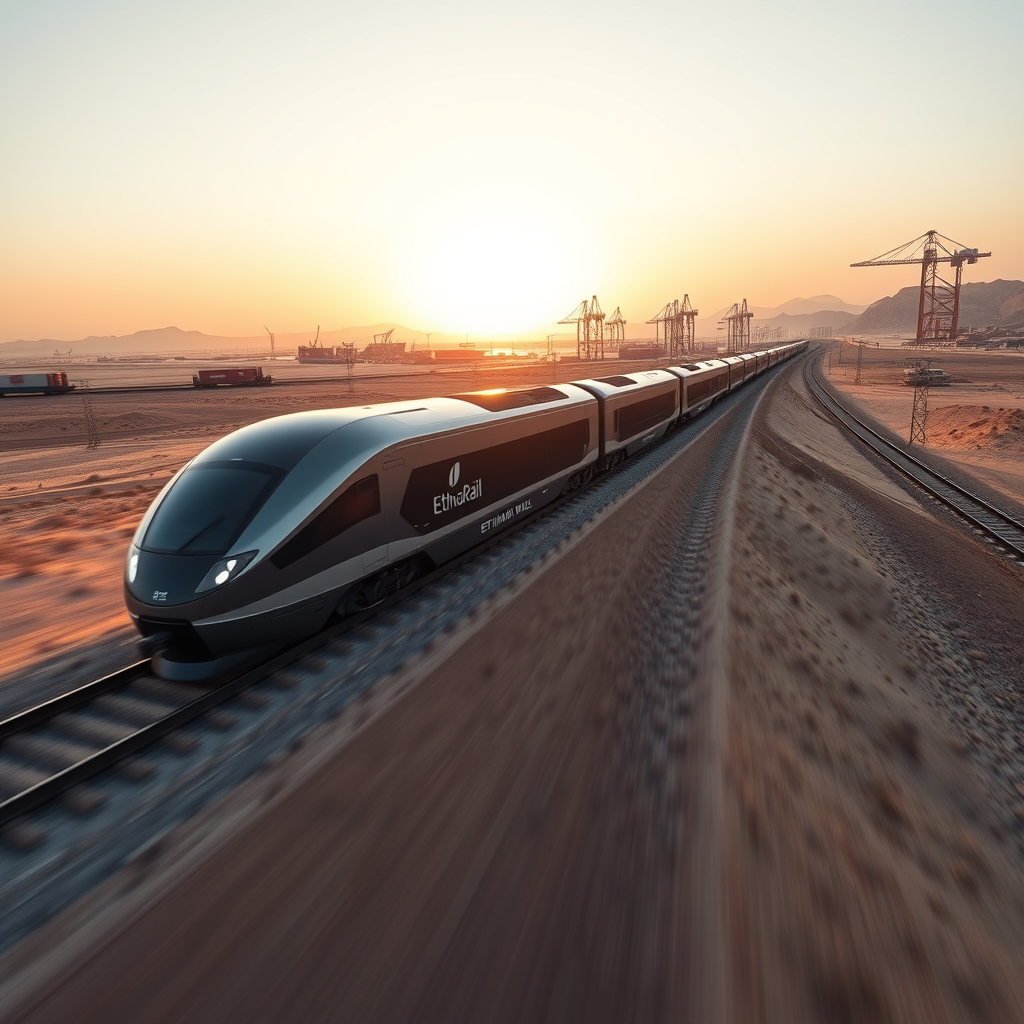
This article explores the significant undertaking by Etihad Rail (a UAE-based state-owned railway company) to develop and operate a substantial railway network in Jordan. This $2.3 billion project encompasses the design, construction, operation, and maintenance of a 360-kilometer (km) railway line. The infrastructure will be crucial for transporting phosphate and potash, key Jordanian exports, from the mines to the Port of Aqaba. The project’s strategic importance extends beyond simple freight transportation, impacting Jordan’s overall economic growth, logistics capabilities, and job creation. This analysis will explore the project’s scope, technological implications, environmental considerations, and broader geopolitical context, highlighting the role of Etihad Rail’s expertise and the anticipated long-term benefits for Jordan.
Project Scope and Economic Implications
The core of the project involves the construction of a 360km railway line connecting Jordan’s phosphate and potash mines to the Port of Aqaba, its sole port. This significantly improves the efficiency of exporting these vital resources. The estimated cost is $2.3 billion, reflecting the scale of the undertaking, including the construction of the railway itself, necessary supporting infrastructure such as loading and unloading terminals, and the provision of ongoing maintenance and operational services. Beyond the direct economic benefits, the project is poised to stimulate growth in several sectors—logistics, mining, and railway operations—creating numerous jobs within Jordan. The strategic partnership between Etihad Rail and the Jordanian government underscores the mutual benefits of this collaborative initiative.
Technological Advancements and Operational Strategies
While specific technologies haven’t been fully detailed, the project’s scale suggests advanced technologies will be incorporated. Given Etihad Rail’s experience with freight rail in the UAE, it’s likely the Jordanian network will adopt a similar, high-capacity, and efficient operational model. This may include centralized train control systems (CTC) for enhanced safety and operational efficiency. The use of electric locomotives is probable, aligning with global trends towards environmental sustainability in the railway sector. The operational plan will likely involve detailed maintenance and repair strategies to ensure the network’s longevity and uninterrupted service.
Environmental Sustainability and Social Impact
The shift to rail transport for phosphate and potash presents a significant opportunity to reduce the environmental impact associated with road transport. Electric locomotives, if employed, will drastically minimize greenhouse gas emissions and air pollution, contributing to a cleaner and more sustainable transportation system in Jordan. The creation of jobs within the project’s life cycle, from construction to ongoing operation and maintenance, will have a substantial positive impact on the local economy and potentially help alleviate social and economic disparities in the region. The project’s successful implementation could be a model for environmentally responsible large-scale infrastructure development.
Geopolitical Significance and Future Prospects
This project goes beyond a simple infrastructure development. It signifies the growing economic ties between the UAE and Jordan. Etihad Rail’s involvement strengthens the UAE’s regional influence and showcases its expertise in large-scale railway projects. The project’s success could also attract further foreign investment in Jordan’s infrastructure and mining sectors, stimulating broader economic development. The experience gained through this endeavor will likely benefit Etihad Rail as it expands its international portfolio and refines its operational strategies. Additionally, the improved logistics infrastructure will enhance Jordan’s competitiveness in the global market.
Conclusion
The Etihad Rail project in Jordan represents a significant investment in the nation’s infrastructure and economic future. The 360km railway line connecting mines to the Port of Aqaba will revolutionize the transport of phosphate and potash, dramatically increasing efficiency and reducing environmental impact. The project’s scope extends beyond just rail construction, encompassing operation and maintenance. Etihad Rail’s expertise in building and operating large-scale rail networks will ensure the project’s success and serve as a model for similar developments in other countries. The project’s economic benefits include job creation and improved export capabilities, all while promoting sustainable transportation practices. The collaboration between Etihad Rail and the Jordanian government represents a strategic partnership, promising significant economic and geopolitical benefits for both nations. The successful implementation of this ambitious project underscores the transformative potential of modern railway infrastructure, demonstrating its crucial role in bolstering economic growth and sustainable development in the region. The expected commencement of construction in 2030 marks a significant milestone, and the detailed studies planned for the coming years will play a critical role in ensuring the project’s long-term viability and success. This endeavor sets a precedent for future infrastructure projects, illustrating the power of strategic partnerships and advanced technological solutions in achieving both economic progress and environmental responsibility.

Railway infrastructure, rolling stock and transport technologies specialist focused on global rail industry developments, high-speed rail systems, signaling technologies and freight transportation. Covering railway investments, public transport modernization, rail operations and international mobility projects across Europe, Asia and North America.
RELATED POSTS

October 8, 2026 1:15 pm
Alstom secured a €1bn contract to build 13 automated trains,...

October 1, 2026 7:09 am
United States regulators confirmed a September 30 deadline for the...

October 8, 2026 12:18 pm
Siemens Mobility signed an agreement with VinSpeed to supply 350...

October 4, 2026 5:14 pm
Alstom secured a CA$4.7 billion order from VIA Rail Canada...

October 5, 2026 6:12 pm
AECOM and Jacobs secured a contract in September 2026 to...

October 4, 2026 11:08 pm
Sound Transit confirmed the September 30 opening of Seattle Pinehurst...