
Network Rail Awards 44 Transpennine Community Grants
Network Rail awarded grants to 44 local groups on the Transpennine line between Manchester and York in March 2026, lifting total fund payouts past £400,000.
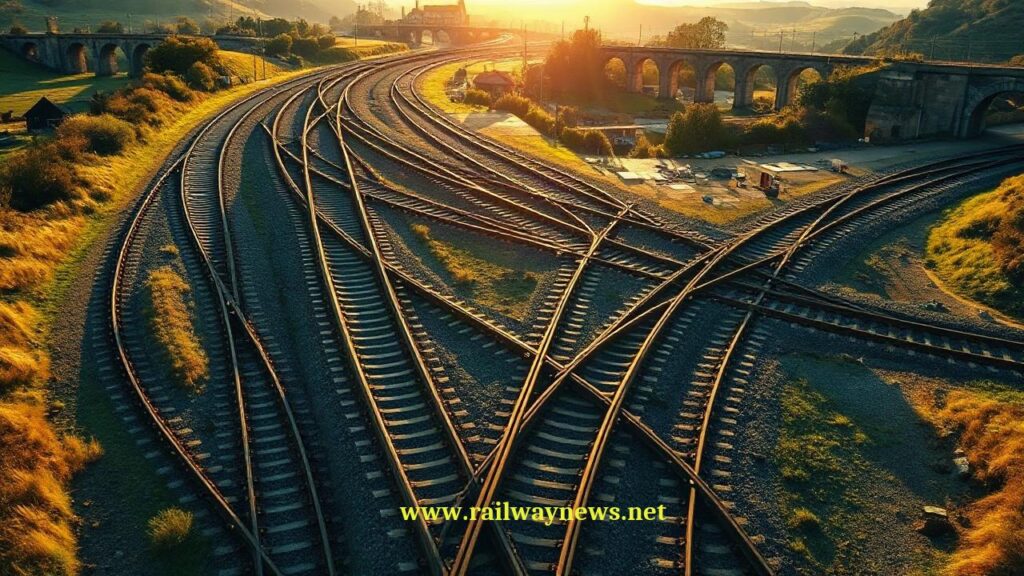
⚡ In Brief: The Transpennine Route Upgrade Community Fund has awarded capital grants to 44 local grassroots organisations in northern England, bringing total community disbursements past £400,000 across the 70-mile rail modernization corridor.
LEEDS, United Kingdom – Network Rail’s Transpennine Route Upgrade programme awarded grants of £5,000 and £10,000 to 44 community organisations in March 2026. The funding round supports non-profit initiatives located within five kilometres of the 70-mile rail route connecting Manchester Victoria to York via Leeds and Huddersfield. Total cumulative payouts from the fund have now reached over £400,000 across more than 100 local organisations since its inception in 2024.
How Is the Funding Structured?
The Transpennine Route Upgrade Community Fund allocates micro-grants of £5,000 and £10,000 directly to non-profit entities situated within a five-kilometre corridor of the mainline route and affiliated railway sites. Eligibility extends through local authorities including Tameside, Kirklees, Bradford, and Leeds, in addition to areas surrounding the new Shipley TrainCare Centre. Approved initiatives include an employability and vocational skills facility established by Our Bradford CIC and an allotment regeneration project operated by Longcauseway Church in Kirklees. However, the precise financial allocation breakdown between individual £5,000 and £10,000 grants for the latest 44 recipients was not publicly disclosed.
Key Funding Data
| Parameter | Value |
|---|---|
| Fund / Programme Name | TRU Community Fund (Transpennine Route Upgrade) |
| Total Value | Over £400,000 cumulative (£270,000 latest funding round) |
| Parties Involved | Transpennine Route Upgrade, Network Rail, local community organisations |
| Timeline / Completion | Fund active 2024–present; core rail upgrade targeted for 2034 |
| Country / Corridor | United Kingdom / Manchester Victoria–Leeds–York (70 miles / 122 km) |
How Does This Compare to Similar Funding Programs?
Community grants represent a marginal fraction of spending within the Transpennine Route Upgrade, which holds a total projected capital cost of £11.5 billion through its completion in 2034 (Source: Rail UK, 2025). Alongside grassroots commitments, the programme contracts significant corporate frameworks, including a £100 million programme management agreement with the Arcadis-AtkinsRéalis joint venture (Source: Rail UK, 2025). On a macro level, UK government funding for new railway infrastructure declined by 12% to £8.7 billion in 2025, with High Speed 2 accounting for £6.5 billion of that total (Source: Office of Rail and Road, 2025). The comparatively modest scale of the TRU community fund mirrors localized stakeholder mitigation funds used on urban rail modernizations rather than statutory megaproject land-compensation structures.
Editor’s Analysis
Direct social value funds serve as tactical community relations mechanisms during complex brownfield civil works along the 122-kilometre Transpennine alignment. With national rail infrastructure capital dropping by double digits in 2025 (Source: Office of Rail and Road, 2025), delivering identifiable hyper-local benefits maintains council-level goodwill through disruptive engineering blockades. Pairing corporate supply agreements with micro-grants reflects Network Rail’s strategy to align local economic outcomes with broader Northern Powerhouse rail objectives.
FAQ
Q: Who is eligible to receive support from the TRU Community Fund?
A: Registered non-profits and community groups based within five kilometres of the Manchester-to-York line or the Shipley TrainCare Centre are eligible to apply. Grants are issued in direct sums of either £5,000 or £10,000.
Q: What is the total infrastructure cost and delivery timeline for the TRU scheme?
A: The Transpennine Route Upgrade is budgeted at approximately £11.5 billion with an expected project delivery date of 2034. The community funding pool has delivered more than £400,000 across 100 organisations since its 2024 launch.
Q: What capacity and route enhancements will the core upgrade deliver?
A: The modernization project will upgrade 122 kilometres of railway line, implement full overhead line electrification, and increase corridor passenger capacity by 30%. The full deployment timeline for specific regional battery-electric train fleets on the route has not been officially confirmed.

Railway infrastructure, rolling stock and transport technologies specialist focused on global rail industry developments, high-speed rail systems, signaling technologies and freight transportation. Covering railway investments, public transport modernization, rail operations and international mobility projects across Europe, Asia and North America.
RELATED POSTS
November 2, 2026 5:15 pm
WSP secured an advisory contract from Transport for London in...
November 2, 2026 9:11 pm
Wabtec secured a $390 million deal with South Africa's Transnet...
November 3, 2026 5:14 pm
Conrail confirmed 28-year rail veteran John Wright as president and...
November 8, 2026 3:15 pm
HDR expanded its US rail and transit reach across 16...
November 1, 2026 6:16 am
CPKC signed a five-year labor contract with BLET covering 250...
November 2, 2026 8:15 pm
Network Rail confirmed the installation of a new Church Fenton...