
Nebraska Train Derailment: Sabotage, Social Media, and Security
The derailment incident in Bennet, Nebraska involving a BNSF train highlights vulnerabilities of railway infrastructure to malicious tampering, particularly through missing control locks on switches. The subsequent legal proceedings and investigation into the 17-year-old suspect’s YouTube account illustrate how digital evidence can both aid and complicate criminal investigations, emphasizing the need for adapting investigative techniques in the age of social media.
Introduction
This article explores the critical incident of a BNSF (Burlington Northern Santa Fe) train derailment in Bennet, Nebraska, in April 2024, focusing on the subsequent legal proceedings and the broader implications for railway safety and security. The case highlights the vulnerabilities of railway infrastructure to malicious interference and the increasing role of digital media in documenting and disseminating such events. We will examine the specifics of the derailment, the investigation leading to the arrest of a 17-year-old suspect, and the technological and legal aspects involved. Additionally, we will consider the wider context of railway safety, exploring potential preventative measures and the ongoing challenges of safeguarding extensive rail networks from intentional or accidental damage. This analysis aims to provide insights for railway operators, law enforcement agencies, and policymakers involved in ensuring the safety and security of rail transportation systems.
The Bennet Derailment: A Case Study in Railway Sabotage
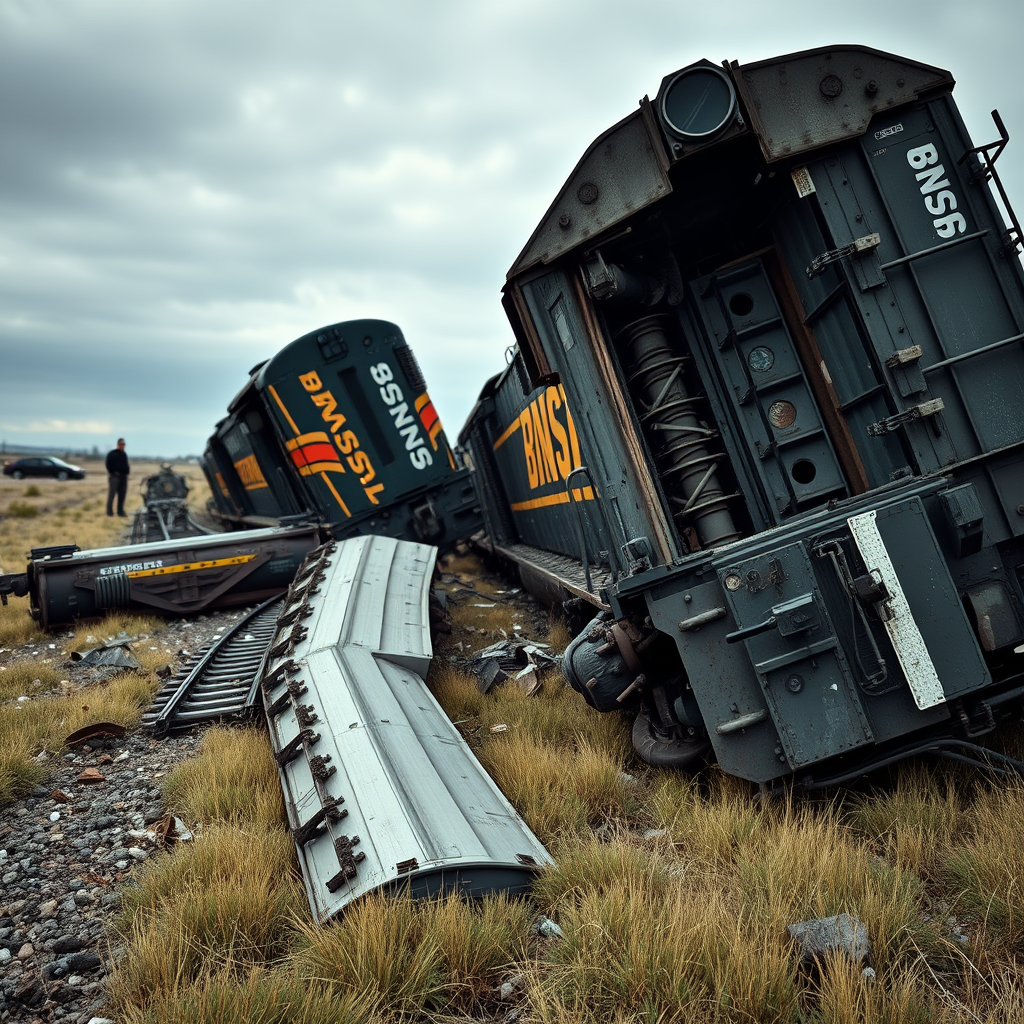
The derailment involved two locomotives and five fully loaded freight cars of a BNSF train near Bennet, Nebraska. The root cause, as determined by the investigation, was a deliberately misaligned switch. A crucial control lock was found missing from the switch mechanism, indicating intentional tampering. The impact of the derailed train with a stationary coal car resulted in an estimated $350,000 in damages. The investigation pointed to a 17-year-old suspect, linked to a YouTube account featuring numerous videos of trains in the area. A video of the derailment itself was uploaded to this account shortly after the incident occurred.
The Role of Digital Evidence and Social Media
The suspect’s YouTube account, “ZUnit06,” proved instrumental in the investigation. While the account was deactivated and videos removed, copies of the derailment footage circulated widely on other platforms. This highlights the challenges presented by digital evidence in criminal investigations. The rapid dissemination of information through social media platforms can both aid investigations by providing crucial visual evidence, and hinder them by spreading misinformation or potentially compromising the integrity of the investigation before it’s concluded. Additionally, it underscores the need for railway companies and law enforcement agencies to adapt their investigative techniques to the digital age, including developing strategies to monitor online activity for potential threats to railway infrastructure.
Legal Ramifications and Juvenile Justice
The 17-year-old suspect was charged with two counts of criminal mischief in Lancaster County Juvenile Court. The prosecution’s case hinges on linking the suspect to the misaligned switch and the video evidence. The case raises important questions concerning juvenile justice and the appropriate penalties for acts of railway sabotage, particularly when considering the potential for significant damage and risk to human life. The complexities of dealing with such cases within the juvenile justice system requires careful consideration of the need for accountability, rehabilitation, and deterrence. The legal precedents established by this case will likely have implications for future similar situations.
Improving Railway Security and Prevention Strategies
The Bennet derailment underscores the ongoing need for enhanced railway security measures. This includes improving physical security at vulnerable points in the rail network, such as switches and other trackside equipment. Strengthening security through physical barriers, enhanced surveillance systems (including CCTV and other monitoring technologies), and improved access control mechanisms can minimize the risk of unauthorized access and tampering. Additionally, investment in advanced train control systems such as centralized traffic control (CTC) and positive train control (PTC) can help mitigate the consequences of trackside failures or malicious acts. Regular inspections and maintenance programs are critical, along with employee training focused on security awareness and threat detection. Finally, proactive collaboration between railway operators, law enforcement, and intelligence agencies is paramount in identifying and preventing potential threats to railway safety and security.
Conclusions
The derailment in Bennet, Nebraska, serves as a stark reminder of the vulnerabilities of railway infrastructure to deliberate acts of sabotage. The case highlights the crucial role of digital evidence in modern investigations, emphasizing the need for law enforcement and railway operators to adapt to the challenges and opportunities presented by social media and online platforms. The prosecution of the 17-year-old suspect underscores the legal ramifications of such actions and the complexities involved in the juvenile justice system. Moving forward, strengthening railway security through a multi-faceted approach – encompassing physical security enhancements, advanced technology integration, robust maintenance programs, and collaborative intelligence-gathering – is crucial. The incident serves as a catalyst for reevaluating existing security protocols and investing in preventative measures to safeguard against future incidents. A holistic approach combining technological advancements, improved security measures, and ongoing training programs will be crucial in ensuring the long-term safety and security of railway systems. Failure to address these challenges could lead to increased risks, not only in terms of financial losses but also potential for significant casualties and wider societal disruption. The lessons learned from the Bennet derailment must guide future safety initiatives across the entire railway industry.

Railway infrastructure, rolling stock and transport technologies specialist focused on global rail industry developments, high-speed rail systems, signaling technologies and freight transportation. Covering railway investments, public transport modernization, rail operations and international mobility projects across Europe, Asia and North America.
RELATED POSTS

October 8, 2026 1:15 pm
Alstom secured a €1bn contract to build 13 automated trains,...

October 1, 2026 7:09 am
United States regulators confirmed a September 30 deadline for the...

October 4, 2026 5:14 pm
Alstom secured a CA$4.7 billion order from VIA Rail Canada...

October 8, 2026 12:18 pm
Siemens Mobility signed an agreement with VinSpeed to supply 350...

October 5, 2026 6:12 pm
AECOM and Jacobs secured a contract in September 2026 to...

October 4, 2026 11:08 pm
Sound Transit confirmed the September 30 opening of Seattle Pinehurst...