
$1.5B Rail Upgrade: NEC Modernization
The United States Department of Transportation has invested $1.5 billion in modernizing critical infrastructure for the Northeast Corridor rail system under the Bipartisan Infrastructure Law, focusing on upgrading catenary systems and signaling technologies to enhance efficiency, safety, and passenger capacity.
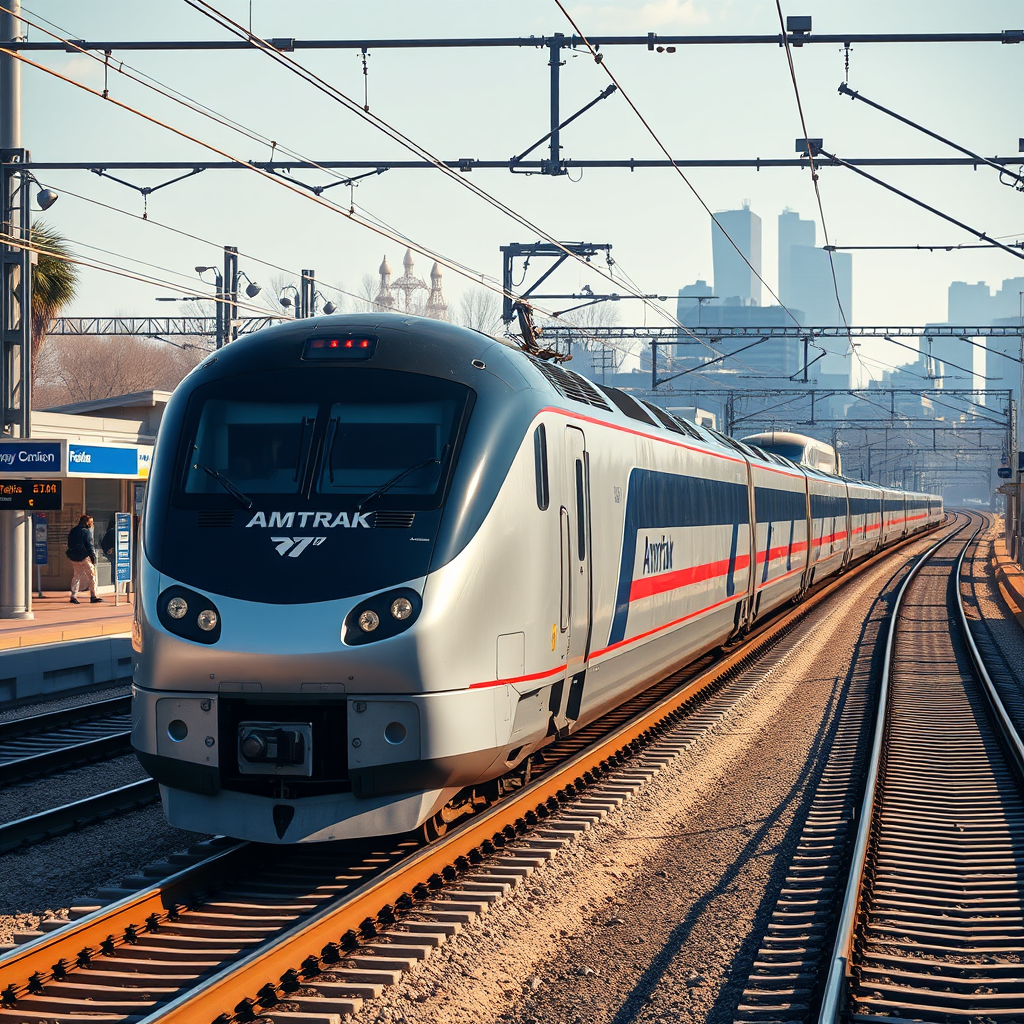
The United States Department of Transportation (DOT), through its Federal Railroad Administration (FRA), has recently announced a significant investment in the modernization of the Northeast Corridor (NEC) rail system. This $1.5 billion injection of funds, facilitated by the Bipartisan Infrastructure Law and channeled through the Federal-State Partnership for Intercity Passenger Rail Programme, marks a crucial step towards enhancing the efficiency, safety, and overall performance of this vital transportation artery. This article will delve into the specifics of this investment, exploring the targeted infrastructure upgrades, the rationale behind the funding, and the broader implications for the future of rail travel in the United States. We will examine the project’s significance within the context of a larger national rail modernization initiative, considering both the immediate impact and the long-term strategic goals driving this substantial investment. The analysis will consider the technological advancements incorporated in these projects, the economic benefits anticipated, and the environmental advantages of a more efficient and modernized rail network.
Modernizing Critical Infrastructure
The core of the $1.5 billion investment focuses on upgrading critical infrastructure components that have reached the end of their operational lifespan or are no longer suitable for the demands of modern high-speed rail operations. This includes substantial funding allocated for the replacement of outdated catenary systems (overhead lines supplying power to trains) and signaling systems. These aging components frequently lead to service disruptions, speed restrictions, and reduced overall capacity. Replacing these elements not only improves reliability and safety but also paves the way for higher operating speeds and increased passenger capacity. Several projects, such as Amtrak’s Mid-Atlantic Overhead Contact System (OCS) Replacement Programme Phase I in Pennsylvania, receiving $397.25 million, exemplify this focus on vital infrastructure renewal.
Strategic Expansion and Development
Beyond infrastructure renewal, the funding also supports crucial expansion projects. The allocation of $24 million to Amtrak’s Washington Union Station Expansion Project in the District of Columbia highlights the commitment to enhancing capacity and improving passenger experience at major hubs. Additionally, smaller-scale projects, such as the Connecticut Department of Transportation’s Hartford Station Relocation Project receiving $2.56 million for planning, demonstrate a commitment to overall network improvement and multimodal integration. These expansion projects are essential for accommodating future ridership growth and solidifying the NEC’s position as a central node in the nation’s transportation network. The strategic placement of these investments aims to maximize their impact on overall network efficiency.
Leveraging Technological Advancements
The upgrades are not simply about replacing old equipment with new; they incorporate the latest technological advancements in railway systems. The implementation of modern signaling systems, for instance, enables more efficient train scheduling and tighter spacing, increasing overall capacity and reducing delays. The improved catenary systems will likely incorporate materials and designs that enhance durability, reliability, and energy efficiency. This integration of advanced technologies is vital for improving the operational efficiency of the NEC and ensuring its competitiveness with other modes of transportation. The goal is not only to improve current service but to lay the foundation for future technological enhancements.
National Rail Modernization Strategy
This $1.5 billion investment forms part of a significantly larger national initiative, totaling $66 billion, dedicated to modernizing passenger rail infrastructure across the United States. This broader plan demonstrates a national commitment to expanding and enhancing rail services, encompassing high-speed rail projects in the West, service expansions in the Southeast and Midwest, and crucial improvements to existing corridors like the NEC. The investment in the NEC should be viewed as a vital component of this larger strategy, acting as a model for modernization and setting a benchmark for future initiatives.
Conclusion
The US DOT’s $1.5 billion investment in the Northeast Corridor represents a crucial step in the modernization of America’s railway infrastructure. The focus on replacing outdated catenary systems and signaling equipment, coupled with strategic expansion projects at key hubs like Washington Union Station, directly addresses critical infrastructure needs. The investment transcends mere repairs; it’s a strategic initiative that integrates modern technologies to improve efficiency, safety, and overall capacity. This investment isn’t isolated; it’s a significant part of a larger, $66 billion national plan to revitalize passenger rail across the country. The long-term benefits extend beyond improved commuter experience, encompassing enhanced economic competitiveness, reduced environmental impact, and a demonstrable commitment to sustainable, efficient transportation. The success of this NEC modernization project will serve as a powerful example for future rail investments nationwide, potentially sparking further modernization and expansion throughout the entire United States rail network. The strategic application of technology and the coordinated approach to infrastructure upgrades signify a significant step towards establishing a more robust and efficient rail system for the future, enhancing both economic productivity and the overall quality of life for millions of Americans.

Railway infrastructure, rolling stock and transport technologies specialist focused on global rail industry developments, high-speed rail systems, signaling technologies and freight transportation. Covering railway investments, public transport modernization, rail operations and international mobility projects across Europe, Asia and North America.
RELATED POSTS

October 1, 2026 7:09 am
United States regulators confirmed a September 30 deadline for the...

October 8, 2026 1:15 pm
Alstom secured a €1bn contract to build 13 automated trains,...

October 4, 2026 5:14 pm
Alstom secured a CA$4.7 billion order from VIA Rail Canada...

October 8, 2026 12:18 pm
Siemens Mobility signed an agreement with VinSpeed to supply 350...

October 5, 2026 6:12 pm
AECOM and Jacobs secured a contract in September 2026 to...

October 4, 2026 11:08 pm
Sound Transit confirmed the September 30 opening of Seattle Pinehurst...