
Mireo Plus B: Hybrid Rail’s Green Revolution
The Siemens Mireo Plus B battery-hybrid trains represent a technological leap forward in regional rail transportation, offering extended operational flexibility with reduced need for extensive electrification projects, leading to improved efficiency, convenience, and environmental benefits for SWEG’s network in Baden-Württemberg.
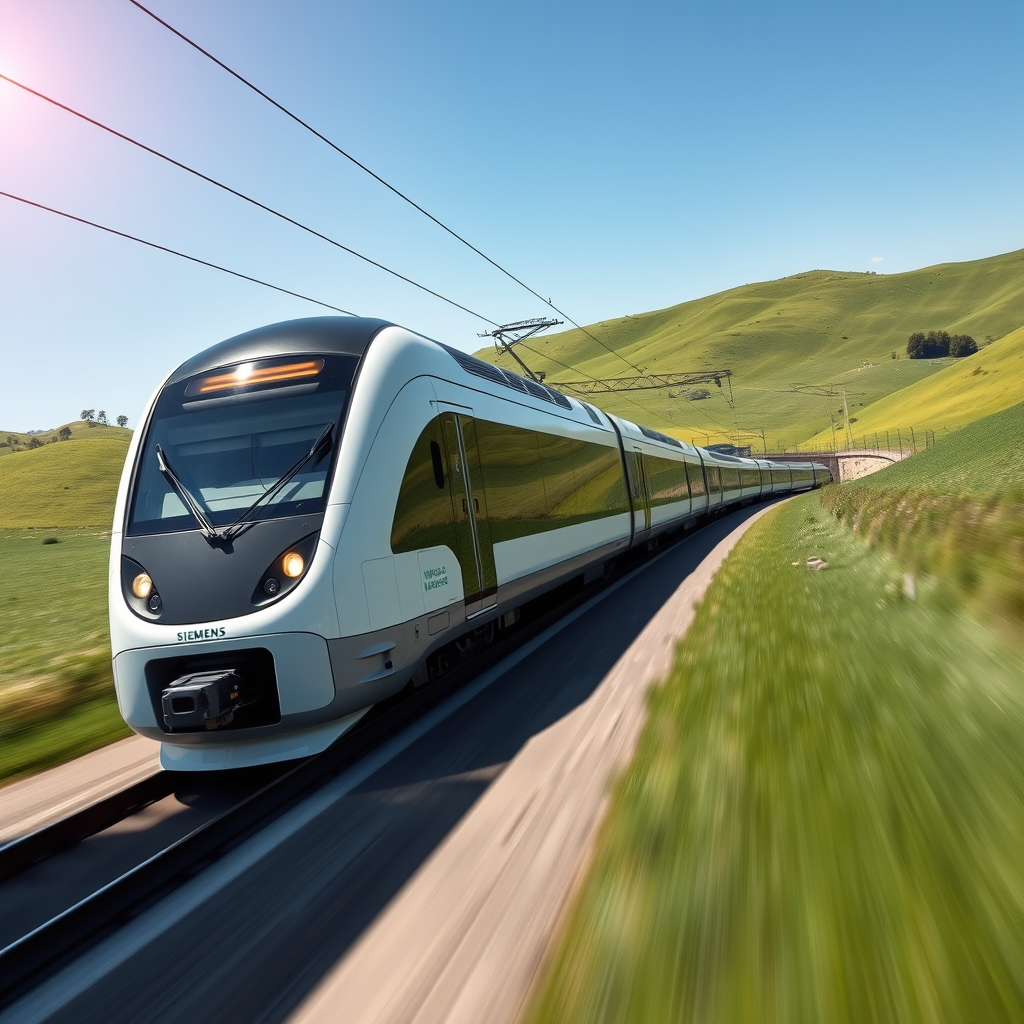
This article explores the significant advancement in regional rail transportation marked by the introduction of Siemens Mobility’s Mireo Plus B battery-hybrid trains in Baden-Württemberg, Germany. The deployment of these innovative trains represents a pivotal shift towards sustainable and efficient commuter rail services. We will examine the technological aspects of the Mireo Plus B, its operational implications for SWEG (Südwestdeutsche Landesverkehrs-AG), the regional rail operator, and the broader environmental and economic benefits this electrification strategy provides. Further, we will delve into the strategic implications of this technology adoption for regional rail networks globally, analyzing its potential to overcome infrastructure limitations and accelerate the transition to greener transportation solutions. The focus will be on the technical capabilities, operational efficiency, and wider environmental and societal impacts of this pioneering initiative, demonstrating its potential as a model for other regions facing similar challenges in modernizing their rail infrastructure.
The Mireo Plus B: A Technological Leap in Hybrid Rail
The Siemens Mireo Plus B represents a significant technological advancement in hybrid rail technology. Unlike traditional diesel multiple units (DMUs), these trainsets utilize a combination of overhead line electrification (OLE) and battery power. The trains draw power from overhead lines where available, simultaneously charging their onboard lithium-ion battery packs. This dual-power system allows the Mireo Plus B to operate on non-electrified sections of track, extending operational flexibility and potentially reducing the need for extensive and costly electrification projects. The 80km range on battery power alone allows for operation on lines previously inaccessible to electric trains, significantly expanding the reach of electrified services and improving service coverage.
Operational Improvements and Enhanced Passenger Experience
The introduction of the Mireo Plus B trains has brought about tangible improvements to SWEG’s rail network in Baden-Württemberg. The ability to operate on both electrified and non-electrified lines has allowed for timetable optimization and a reduction in the number of transfers required for passengers traveling across the region. This translates to a more convenient and efficient passenger experience, characterized by increased service frequency and higher capacity trains. The enhanced comfort features, including air conditioning, toilets, and designated areas for passengers with special needs, further contribute to a positive travel experience.
Environmental and Economic Benefits
The shift from diesel-powered Stadler Regio Shuttle trains to the Mireo Plus B units signifies a substantial reduction in greenhouse gas emissions. Siemens Mobility estimates annual diesel savings of 1.8 million liters, a significant contribution to reducing the environmental impact of regional rail operations. This transition not only minimizes air pollution but also aligns with Baden-Württemberg’s commitment to sustainable transportation. The economic benefits are also substantial, considering the reduced operational costs associated with lower fuel consumption and potentially lower maintenance requirements compared to diesel engines. The long service life of the lithium-ion batteries also offers long-term cost savings.
Strategic Implications and Future Prospects
The successful implementation of the Mireo Plus B trains in Baden-Württemberg establishes a compelling case for the wider adoption of battery-hybrid technology in regional rail networks globally. This approach offers a viable solution to overcome infrastructure constraints and accelerate electrification efforts in areas where full electrification is not immediately feasible. The flexibility and efficiency of these trains make them ideally suited for various regional contexts, providing a pathway towards sustainable and cost-effective modernization of rail services. Further developments in battery technology and charging infrastructure are likely to further enhance the performance and appeal of battery-hybrid trains, positioning them as a cornerstone of future rail transportation solutions.
Conclusions
The deployment of Siemens Mobility’s Mireo Plus B battery-hybrid trains in Baden-Württemberg marks a significant milestone in the evolution of regional rail transportation. This initiative showcases the technological advancements in hybrid rail technology, offering a practical solution for expanding electrified services and improving operational efficiency in areas with limited or non-existent overhead line electrification (OLE). The operational improvements resulting from the implementation of the Mireo Plus B trains have led to optimized timetables, reduced passenger transfers, and an enhanced travel experience characterized by increased service frequency and comfortable amenities. The substantial environmental benefits, including a significant reduction in diesel consumption and greenhouse gas emissions, underscore the project’s alignment with sustainability goals. Additionally, the economic advantages, stemming from lower fuel costs and reduced maintenance needs, add to the compelling case for this technology. The long-term implications of this successful project extend beyond Baden-Württemberg, showcasing the potential of battery-hybrid trains to facilitate cost-effective and environmentally responsible modernization of regional rail networks worldwide. The Mireo Plus B serves as a successful model, demonstrating how strategic investments in innovative rail technology can lead to both operational improvements and environmental sustainability.

Railway infrastructure, rolling stock and transport technologies specialist focused on global rail industry developments, high-speed rail systems, signaling technologies and freight transportation. Covering railway investments, public transport modernization, rail operations and international mobility projects across Europe, Asia and North America.
RELATED POSTS

October 8, 2026 1:15 pm
Alstom secured a €1bn contract to build 13 automated trains,...

October 1, 2026 7:09 am
United States regulators confirmed a September 30 deadline for the...

October 4, 2026 5:14 pm
Alstom secured a CA$4.7 billion order from VIA Rail Canada...

October 8, 2026 12:18 pm
Siemens Mobility signed an agreement with VinSpeed to supply 350...

October 5, 2026 6:12 pm
AECOM and Jacobs secured a contract in September 2026 to...

October 4, 2026 11:08 pm
Sound Transit confirmed the September 30 opening of Seattle Pinehurst...