
Hybrid Rail Revolution: Green Locomotives on Track
The development of hybrid battery-diesel locomotive technology represents a pivotal advancement in rail transportation, utilizing innovative battery solutions to significantly reduce carbon emissions while enhancing operational safety and climate resilience through substantial federal funding.
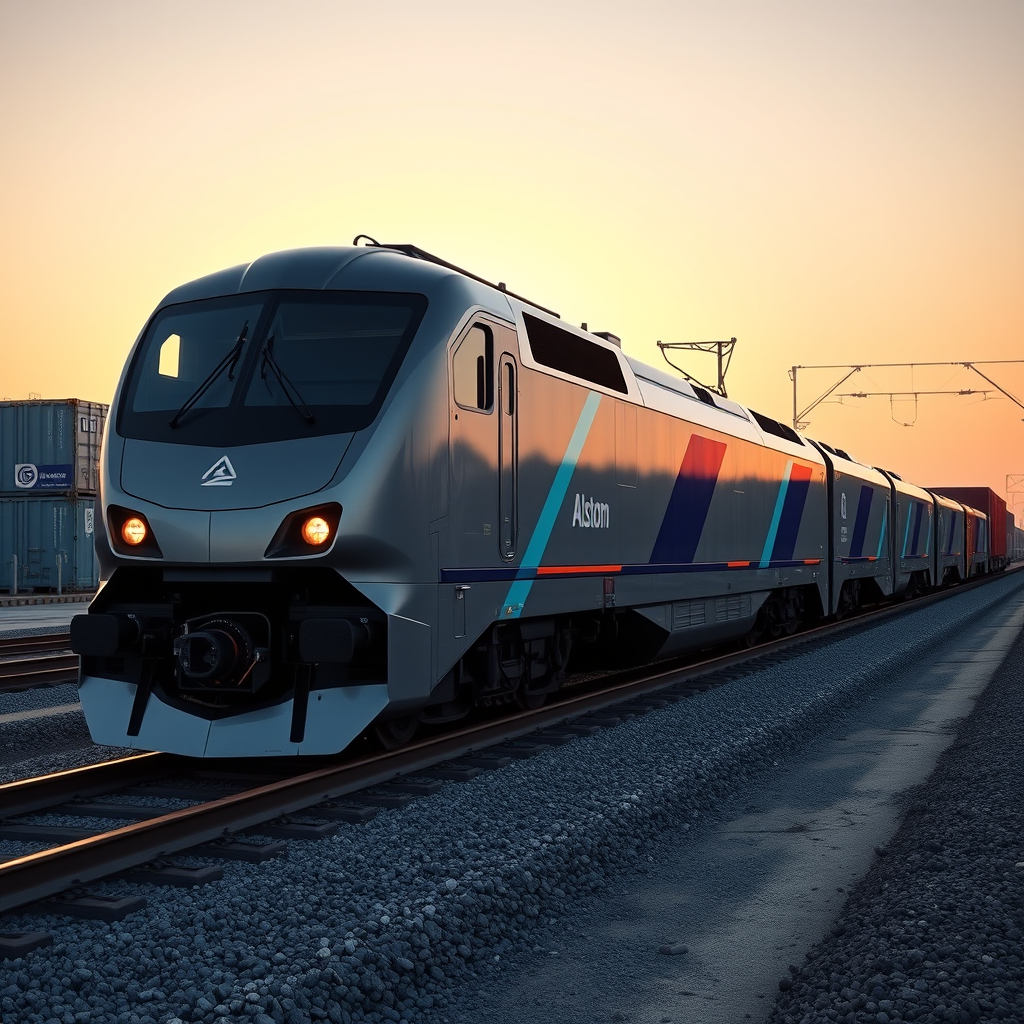
This article focses to a significant advancement in railway technology: the development and testing of hybrid battery-diesel locomotives. A collaborative effort spearheaded by the Steuben County Industrial Development Agency (IDA), in partnership with Alstom (a leading rail technology company), Norfolk Southern Railway, and Binghamton University’s New Energy New York (NENY) consortium, has secured nearly $16 million in federal funding to push the boundaries of sustainable rail transportation. This substantial investment, secured through the US Department of Transportation’s Consolidated Rail Infrastructure and Safety Improvements (CRISI) program, will facilitate the creation and rigorous testing of two innovative hybrid locomotives at Alstom’s Kanona facility in Bath, New York. The project’s core focus is the utilization of advanced battery technology as the primary power source, promising a significant reduction in carbon emissions and a notable increase in operational safety and climate resilience. This initiative exemplifies a larger national strategy to decarbonize the freight rail sector, aligning with broader goals for environmental sustainability and infrastructure modernization.
The Hybrid Locomotive Project: A Technological Leap Forward
The heart of this project lies in the development and integration of cutting-edge battery technology into existing diesel-electric locomotive designs. This isn’t simply a matter of adding batteries; it involves sophisticated power management systems, advanced energy storage solutions, and optimized control algorithms to seamlessly integrate battery and diesel power. The project will explore different battery chemistries, focusing on maximizing energy density, lifespan, and charging efficiency while minimizing weight and cost. This research is crucial to determine the optimal battery configuration for varying operational demands and environmental conditions. Additionally, the project will investigate advanced regenerative braking systems that can recapture kinetic energy during deceleration, further enhancing energy efficiency and reducing reliance on the diesel engine. This technological leap forward promises a significant reduction in greenhouse gas emissions compared to traditional diesel-only locomotives, making freight transportation cleaner and more environmentally responsible.
Partnerships and Collaboration: A Synergistic Approach
The success of this project hinges on the strong partnerships forged among diverse stakeholders. The Steuben County IDA plays a crucial role in coordinating the project and leveraging local resources. Alstom, a global leader in rail technology, provides its extensive expertise in locomotive design, manufacturing, and testing. Norfolk Southern Railway offers invaluable operational insights, ensuring the new locomotives meet real-world needs and demands. Binghamton University’s NENY consortium contributes its research capabilities in battery technology and energy management. This collaborative approach, combining industrial expertise, academic research, and regulatory support, is essential for successfully navigating the complexities of developing and deploying innovative rail technology.
Economic and Environmental Impact: A Win-Win Scenario
The Hybrid Locomotive Project offers substantial economic benefits to the region and the nation. It stimulates economic growth by creating high-skilled jobs in manufacturing, research, and development. The project also fosters innovation in the rail industry, positioning New York State as a leader in sustainable transportation technologies. Moreover, the environmental impact is significant, with a projected reduction in greenhouse gas emissions from freight trains, contributing to national efforts in climate change mitigation. The successful completion and deployment of these hybrid locomotives will showcase the viability and potential of clean energy technologies in the transportation sector, paving the way for widespread adoption of similar technologies across the rail network.
Conclusion: A Pathway to Sustainable Rail Transportation
The nearly $16 million investment in the Hybrid Locomotive Project represents a significant step toward a more sustainable future for rail transportation. The collaboration between the Steuben County IDA, Alstom, Norfolk Southern Railway, and Binghamton University’s NENY consortium is a model for successful public-private partnerships in the development of advanced technologies. The project’s focus on utilizing battery technology as the primary power source, combined with advanced energy management systems and regenerative braking, signifies a remarkable improvement over traditional diesel locomotives in terms of environmental impact and operational efficiency. The successful development and testing of these hybrid locomotives will not only demonstrate the feasibility of this technology but will also pave the way for widespread adoption, leading to significant reductions in greenhouse gas emissions from the freight rail sector. This initiative, supported by the US Department of Transportation’s CRISI program through the Bipartisan Infrastructure & Jobs Law, represents a tangible commitment to modernizing America’s rail infrastructure and achieving a cleaner, more sustainable transportation system. The long-term economic benefits, coupled with the significant environmental gains, make this project a crucial investment in the future of rail transport and demonstrate a commitment to both economic prosperity and environmental stewardship. The project’s success will serve as a blueprint for future initiatives in sustainable transportation, influencing rail technology development globally and setting a new standard for environmentally responsible freight movement. The project promises a future where freight transport is not only efficient and reliable but also significantly less damaging to our planet.

Railway infrastructure, rolling stock and transport technologies specialist focused on global rail industry developments, high-speed rail systems, signaling technologies and freight transportation. Covering railway investments, public transport modernization, rail operations and international mobility projects across Europe, Asia and North America.
RELATED POSTS
September 6, 2026 5:19 am
Hitachi delivered Taiwan's first N700ST high-speed train from Japan in...

September 6, 2026 4:12 am
Alstom delivered the first of 100 new G Class trams...
September 6, 2026 1:17 am
Hitachi Toshiba Supreme Consortium confirmed the first of 12 N700ST...
September 6, 2026 12:20 pm
Indian Railways ordered a probe after a fire destroyed 2...

September 7, 2026 4:11 am
ÖBB Rail Cargo Group leased 500 Eanos-y scrap-metal wagons from...
September 8, 2026 5:14 am
STB ordered Belt Railway Co. of Chicago on Aug. 3,...