
Mexico-Pachuca Rail: Sustainable Transport & Infrastructure Transformation
Mexico City-Pachuca passenger rail line, slated for completion soon, will transform regional connectivity. New electric trains will carry 108,000 daily passengers.
Mexico-Pachuca Passenger Rail Line to Transform Regional Connectivity
In a move poised to reshape regional transport, the Mexican government is constructing a new passenger rail line linking Mexico City and Pachuca. This 75-minute journey, slated for completion in the coming years, will transport an estimated 108,000 passengers daily. This initiative aims to alleviate congestion, reduce travel times, and integrate transport options for both metropolitan and rural users. Who is behind this project? The Mexican government. What is being built? A new passenger rail line. When will it be completed? In the coming years. Where will it travel? Between Mexico City and Pachuca. Why is this necessary? To improve regional connectivity and ease traffic. How will it operate? Using electric trains on dedicated tracks. This article explores the specifics of this ambitious project, examining its technical aspects, infrastructure improvements, and anticipated impact on the region’s transportation landscape.
Sustainable Rolling Stock and Infrastructure
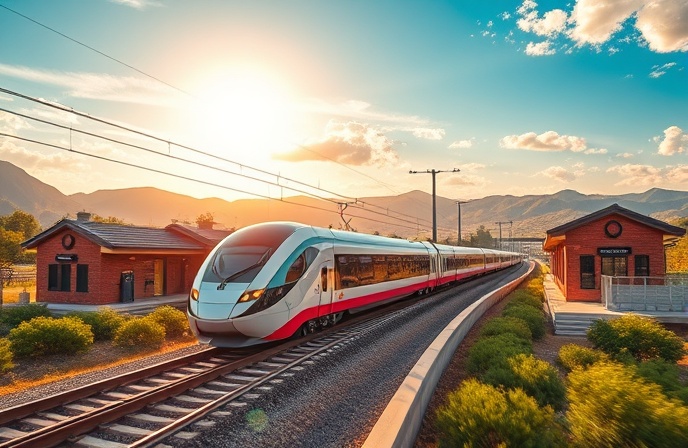
The Mexico-Pachuca rail line will utilize a fleet of 15 electric passenger trains, a decision driven by environmental considerations. According to Andrés Lajous Loaeza, Head of the Federal Railway Transport Regulatory Agency (ARTF), the electric trains will be “silent and non-polluting.” Each train will be approximately 100 meters long, designed to reach speeds of up to 130 km/h. Crucially, the design allows for coupling two units together, effectively doubling passenger capacity during peak demand. Each train will have a capacity of over 700 passengers, including 315 seated, ensuring ample space for commuters. Accessibility is also a key feature, with universal access for all passengers. The service will run on dedicated tracks, primarily within existing railway rights-of-way, mitigating any direct interaction with freight services. The use of electric trains aligns with global trends towards sustainable transportation solutions, reducing the carbon footprint and noise pollution associated with conventional diesel-powered rail systems.
Strategic Station Design and Enhanced Connectivity
The new rail line boasts a network of strategically placed stations, catering to diverse passenger needs. The primary stations will be located in Pachuca, Téllez, and Tizayuca, complemented by smaller stops at Xolox, Huitzila, Empalme del Rey, and Platah. Station designs will vary based on anticipated passenger volume. Stations such as Pachuca and Téllez, which will be experiencing higher demand, will feature brick façades, open layouts, and natural lighting. Less busy stations, such as Xolox and Huitzila, will have simpler architectural designs. A significant element of the project is to facilitate seamless intermodal connectivity. Stations will be designed to integrate with other transport modes, including public transit, private vehicles, and pedestrian access, which is particularly important in smaller communities. This integrated approach aims to create a cohesive and user-friendly transportation system, fostering regional development and reducing reliance on private vehicles.
Operational Efficiency and Timetable Planning
The Mexico-Pachuca passenger service is optimized for efficient travel times, aiming to serve both commuters and regional travelers. The journey between Buenavista station in Mexico City and Pachuca will take 75 minutes. Commuters in the surrounding areas will be able to access the line at stops along the way, with an estimated 50-minute travel time to Jagüey de Téllez, located at the entrance to the Pachuca metropolitan area, and also to Tizayuca. The efficient service will be managed by the ARTF, who anticipates the entire route will be fully operational once completed, bringing a reliable and time-saving option for passengers in the region.
Procurement and Project Timeline
The tender process for the project commenced on June 25th, with the official call for bids published on July 10th. The contract award is expected by the end of August. This rapid timeline reflects the urgency and importance the government places on the project’s successful and timely completion. The ARTF is managing the procurement of the 15 passenger trains, setting up the infrastructure and ensuring efficient project management. Further developments in the project’s progress will be closely monitored by industry professionals and the public at large. The successful implementation of this ambitious project could serve as a model for future infrastructure developments across the region, providing a blueprint for integrating efficient, accessible, and sustainable transport solutions.
Conclusion
The Mexico-Pachuca passenger rail project represents a significant investment in the country’s transportation infrastructure, promising to transform regional connectivity and improve the lives of commuters. The utilization of electric trains, dedicated tracks, and strategically designed stations indicates a forward-thinking approach to urban and regional planning, prioritizing sustainability, accessibility, and intermodal integration. This initiative is not only aimed at easing congestion and reducing travel times but also at fostering economic development by linking the metropolitan area of Pachuca with the Valley of Mexico. The project’s emphasis on universal accessibility, particularly with level boarding, highlights a commitment to inclusivity and providing public transport that can be used by all. As the project progresses, stakeholders will be closely monitoring developments, with a keen eye on the project’s potential to spur growth and set a new standard for public transport across the nation. Success will rely on efficient project management, robust maintenance programs, and continuous evaluation of passenger needs. The Mexico-Pachuca rail line holds the promise of becoming a cornerstone of the region’s transportation network, paving the way for a more sustainable, efficient, and interconnected future.

Railway infrastructure, rolling stock and transport technologies specialist focused on global rail industry developments, high-speed rail systems, signaling technologies and freight transportation. Covering railway investments, public transport modernization, rail operations and international mobility projects across Europe, Asia and North America.
RELATED POSTS

October 8, 2026 1:15 pm
Alstom secured a €1bn contract to build 13 automated trains,...

October 1, 2026 7:09 am
United States regulators confirmed a September 30 deadline for the...

October 4, 2026 5:14 pm
Alstom secured a CA$4.7 billion order from VIA Rail Canada...

October 1, 2026 12:13 am
Illinois approved $1.5 billion annually for the Northern Illinois Transit...

October 1, 2026 6:10 am
Amtrak approved a System Expansion Committee on July 30 to...

October 5, 2026 1:13 pm
New York MTA confirmed a late 2026 DEIS release for...