
Mexico City Metro: Safety Crisis, Systemic Failures
The article explores critical safety issues in the Mexico City Metro system, focusing on recent catastrophic events like Line 3 collision and Line 12 overpass collapse, which highlight systemic failures in design, construction, and maintenance protocols. The investigation aims to provide insights into best practices for mitigating risks in high-volume urban rail transit systems, ensuring the safety of millions of daily commuters.
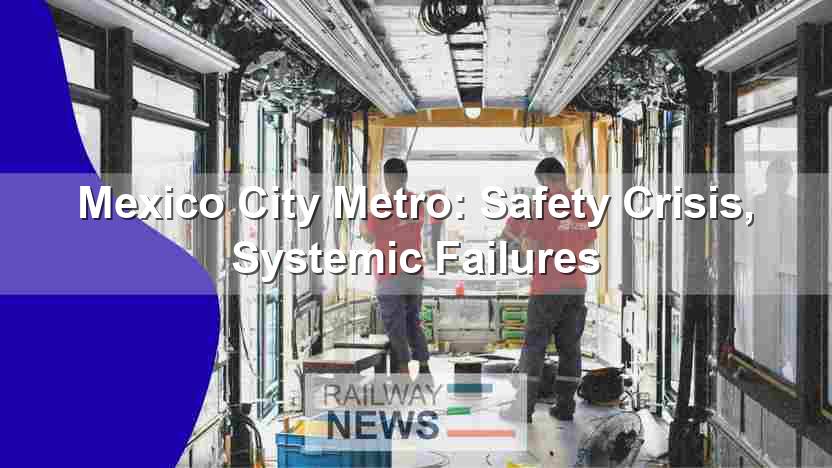
The following article examines the critical safety issues within the Mexico City Metro system, focusing on recent catastrophic events and their implications for urban rail infrastructure management. The analysis will delve into the contributing factors of major accidents, exploring both immediate causes and systemic failures in design, construction, and maintenance. We will examine the challenges of balancing rapid expansion with rigorous safety protocols, highlighting the need for a detailed reassessment of operational procedures and preventative maintenance strategies. This investigation aims to provide insights into best practices for mitigating risks in high-volume urban rail transit systems, ensuring the safety and well-being of millions of daily commuters.
Recent Accidents and Their Impact
The Mexico City Metro system, boasting 141 miles of track and 195 stations, serves an average of 4.6 million passengers daily. However, its operational history has been marred by several significant accidents. A recent collision on Line 3 between the Potrero and La Raza stations resulted in one fatality and approximately 57 injuries. This incident highlights the urgent need for improved safety measures and a thorough investigation into the causes of the collision, including potential signaling system failures, human error, or track maintenance deficiencies. Further compounding the safety concerns is the Line 12 overpass collapse in May 2021, which tragically claimed at least 23 lives and injured numerous others. This catastrophic event underscored systemic failures within the system’s construction and maintenance protocols.
Root Causes of Systemic Failures
Investigations into the Line 12 collapse revealed a multitude of contributing factors, including deficient welding of metal studs, missing studs in structural sections, inconsistent concrete mixtures used in the slab construction, and poorly executed or unfinished joints. These findings suggest a systemic failure in quality control and oversight during the construction phase of the line (completed in October 2012). Such failures highlight the critical importance of rigorous adherence to engineering standards and detailed quality assurance programs throughout the entire lifecycle of a rail infrastructure project, from design and construction to ongoing maintenance and inspection.
Maintenance and Operational Challenges
The high daily ridership of the Mexico City Metro places immense pressure on its infrastructure and operational capacity. Maintaining a safe and efficient system requires a robust preventative maintenance program, encompassing regular inspections, timely repairs, and the replacement of aging components. Effective risk management strategies must be in place to identify and address potential hazards proactively. This includes the implementation of advanced monitoring technologies, such as structural health monitoring systems, to detect early signs of deterioration or stress in critical infrastructure components. Additionally, operator training and operational procedures need constant review and improvement to ensure the consistent application of safe operating practices.
The Need for Detailed Reform
The recurring accidents within the Mexico City Metro underscore the urgent need for a complete overhaul of its safety protocols and maintenance practices. This requires a multi-pronged approach that includes independent audits of existing infrastructure, the implementation of stringent quality control measures during construction and maintenance, investment in advanced monitoring technologies, and detailed training programs for all personnel. The focus must shift from reactive responses to accidents to a proactive, preventative approach that prioritizes safety above all else. Transparency and accountability are essential to restoring public confidence in the system’s ability to provide safe and reliable transportation.
Conclusions
The tragic accidents within the Mexico City Metro system, culminating in the Line 3 collision and the devastating Line 12 overpass collapse, serve as stark reminders of the critical need for robust safety measures and meticulous maintenance practices in high-volume urban rail networks. The identified causes, ranging from deficient welding and substandard materials in construction to potential signaling failures and operational errors, point to systemic failures in both design and management. Addressing these issues requires a multi-faceted approach that goes beyond superficial fixes. This necessitates significant investment in preventative maintenance programs, employing advanced monitoring technologies to detect potential risks proactively, implementing stringent quality control standards throughout the lifecycle of the infrastructure, and rigorously enforcing safety regulations. Additionally, substantial improvements in operator training, operational procedures, and emergency response capabilities are vital. Only through a concerted effort encompassing meticulous engineering, rigorous oversight, and a commitment to prioritizing passenger safety can the Mexico City Metro regain public trust and ensure the safe and reliable transportation of millions of commuters daily. The cost of inaction is simply too high.

Railway infrastructure, rolling stock and transport technologies specialist focused on global rail industry developments, high-speed rail systems, signaling technologies and freight transportation. Covering railway investments, public transport modernization, rail operations and international mobility projects across Europe, Asia and North America.
RELATED POSTS

October 8, 2026 1:15 pm
Alstom secured a €1bn contract to build 13 automated trains,...

October 1, 2026 7:09 am
United States regulators confirmed a September 30 deadline for the...

October 8, 2026 12:18 pm
Siemens Mobility signed an agreement with VinSpeed to supply 350...

October 4, 2026 5:14 pm
Alstom secured a CA$4.7 billion order from VIA Rail Canada...

October 5, 2026 6:12 pm
AECOM and Jacobs secured a contract in September 2026 to...

October 4, 2026 11:08 pm
Sound Transit confirmed the September 30 opening of Seattle Pinehurst...