
London Underground: Optimizing Operations with Competency Management
TfL’s adoption of Cygnum software by CACI demonstrates a proactive approach in optimizing competency management within London Underground operations, enhancing safety, reliability, and efficiency through comprehensive driver skill tracking and future-proofing the rail network against labor disputes and modernization efforts.
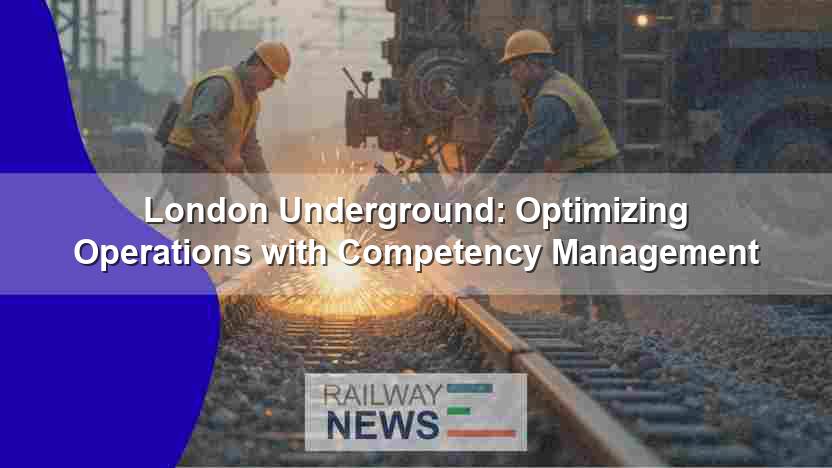
Optimizing London Underground Operations: A Case Study in Competency Management
This article explores the strategic implementation of competency management software by Transport for London (TfL) to enhance the efficiency and safety of its London Underground (LU) operations. The adoption of Cygnum, a software solution developed by CACI, signifies a proactive approach to optimizing the skills and capabilities of its 4,500 drivers. This initiative is particularly noteworthy given the recent labor disputes and ongoing modernization efforts within the LU network. The successful integration of this technology holds significant implications for the future of railway operations, highlighting the crucial role of effective workforce management in ensuring safe, reliable, and efficient public transportation. We will examine the rationale behind TfL’s decision, analyze the features and benefits of Cygnum, discuss the broader context of workforce management in the rail industry, and ultimately, assess the long-term impact on TfL’s operational effectiveness and its contribution to a more robust and resilient public transport system.
The Need for Enhanced Competency Management
TfL’s decision to implement Cygnum underscores a growing recognition within the rail industry of the critical need for robust competency management systems. Maintaining a highly skilled and proficient workforce is paramount for ensuring the safety and reliability of train operations. The complexity of modern railway systems, coupled with increasing passenger demand, necessitates a detailed approach to managing employee skills and competencies. Traditional methods often prove inadequate in efficiently tracking individual skills, identifying skill gaps, and planning for future training needs. Cygnum offers a holistic solution by providing a centralized platform to track and manage the competencies of all LU drivers, enabling TfL to proactively address skill gaps and ensure optimal performance across its workforce. This is particularly important given the highly specialized nature of train driving and the potential safety implications of inadequate training or skill deficiencies.
Cygnum: A Holistic Approach to Competency Management
CACI’s Cygnum software provides TfL with a centralized database to manage the competencies of its drivers. This allows for a detailed overview of individual skill levels, enabling targeted training interventions and strategic workforce planning. The system offers features designed to streamline processes, reduce operational risk, and support continuous improvement. This “holistic” view encompasses not only the technical skills required for safe operation of trains, but also other critical competencies such as communication, teamwork, and problem-solving. Additionally, Cygnum facilitates the efficient tracking of training records, certifications, and performance evaluations, ensuring compliance with safety regulations and promoting continuous professional development. By providing a unified platform, Cygnum eliminates the inefficiencies of disparate data sources and promotes better communication and coordination between TfL departments.
The Broader Context: Modernization and Labor Relations
TfL’s investment in Cygnum occurs against a backdrop of significant modernization efforts and ongoing labor relations discussions. The recent £3.6 billion funding agreement with the UK government signals a commitment to upgrading aging infrastructure and pursuing technological advancements, including the potential for driverless trains. This modernization push requires a highly skilled workforce capable of adapting to new technologies and operational procedures. Additionally, the recent strike action by the ASLEF union (Associated Society of Locomotive Engineers and Firemen) highlights the importance of effective communication and collaboration between management and employees. By implementing a robust competency management system, TfL demonstrates a commitment to employee development and continuous improvement, potentially contributing to a more harmonious and productive labor environment. The system’s ability to track skills and training progress offers transparency and can facilitate discussions on training needs and career development pathways.
Conclusion: Towards a More Efficient and Resilient London Underground
The adoption of Cygnum by TfL represents a significant step towards enhancing the efficiency and resilience of the London Underground. The software’s ability to provide a holistic view of driver competencies empowers TfL to optimize its workforce, proactively address skill gaps, and improve operational safety. The strategic implementation of this technology is not merely a technological upgrade, but a fundamental shift towards a more data-driven and proactive approach to workforce management. The success of this initiative will not only benefit TfL in improving operational efficiency and reducing risks but also serve as a model for other rail operators seeking to enhance their workforce management practices. Additionally, the context of ongoing modernization efforts and labor relations underscores the crucial role of effective competency management in navigating the challenges and opportunities facing the rail industry in the 21st century. By investing in its human capital and leveraging technology to optimize its workforce, TfL is laying a strong foundation for a more efficient, safer, and ultimately, more sustainable London Underground for years to come. The integration of Cygnum is a testament to TfL’s commitment to modernizing not only its infrastructure, but also its approach to managing its most valuable asset – its employees. The long-term benefits extend beyond immediate operational improvements to encompass improved safety, enhanced employee satisfaction, and a more sustainable and resilient public transportation system.

Railway infrastructure, rolling stock and transport technologies specialist focused on global rail industry developments, high-speed rail systems, signaling technologies and freight transportation. Covering railway investments, public transport modernization, rail operations and international mobility projects across Europe, Asia and North America.
RELATED POSTS

October 8, 2026 1:15 pm
Alstom secured a €1bn contract to build 13 automated trains,...

October 1, 2026 7:09 am
United States regulators confirmed a September 30 deadline for the...

October 8, 2026 12:18 pm
Siemens Mobility signed an agreement with VinSpeed to supply 350...

October 4, 2026 5:14 pm
Alstom secured a CA$4.7 billion order from VIA Rail Canada...

October 5, 2026 6:12 pm
AECOM and Jacobs secured a contract in September 2026 to...

October 4, 2026 11:08 pm
Sound Transit confirmed the September 30 opening of Seattle Pinehurst...